Study Links Forest Fire Pollution to Stronger Storms Across Southeast Asia
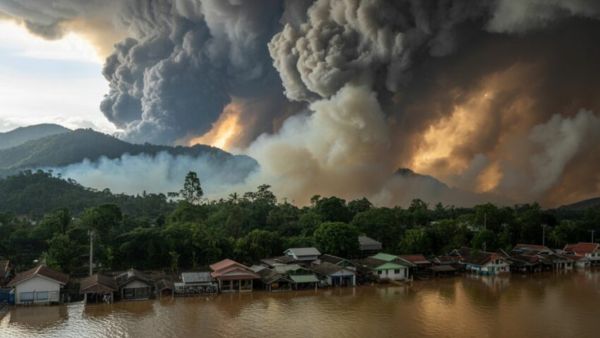
The Growing Threat of Forest Fire Air Pollution in Southeast Asia
A recent study published in Geophysical Research Letters on October 3, 2025, has uncovered a worrying connection between forest fire air pollution and the intensification of storms in Southeast Asia. The research highlights how the presence of pollutants, such as particulate matter and aerosols, in the atmosphere can enhance storm activity. This leads to increased rainfall and potentially more severe weather events, amplifying risks for the region’s ecosystems and communities.
As Southeast Asia grapples with the twin challenges of storm intensification and forest fire air pollution, the study emphasizes the urgent need for addressing these intertwined environmental issues. The impact of increased pollutant particles in the atmosphere, especially during the monsoon season, could exacerbate flooding risks, disrupt local communities, and put significant strain on disaster management resources.
How Forest Fire Air Pollution Alters Storms and Weather Patterns
The study reveals that forest fire air pollution plays a crucial role in altering atmospheric conditions, making storms in Southeast Asia more potent. The release of pollutant particles during forest fires can modify cloud formation, intensifying rainfall and strengthening storm systems. This intensification of storms could have severe implications for the region, particularly during the already heavy monsoon season, when the risks of flooding and infrastructure damage are higher.