Bulgaria’s Shift to the Euro Set to Reshape Travel for Tourists
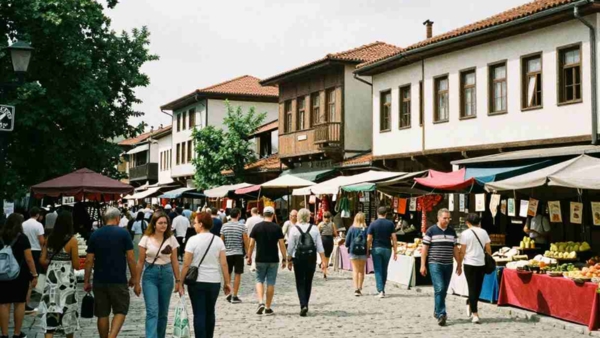
Nestled along the Black Sea in southeastern Europe, Bulgaria is on the brink of a major transformation that will shape its future for years to come. On January 1, Bulgaria will officially adopt the euro, marking the country’s shift from the lev, its long-standing national currency, to the common European currency. As Bulgaria joins the Eurozone as its 21st member, this momentous decision holds far-reaching implications, not just for its economy, but for the tourism industry as well.
Bulgaria’s transition to the euro has been years in the making. After meeting all the necessary criteria set by the European Union—controlling inflation, reducing the budget deficit, maintaining low borrowing costs, and ensuring exchange-rate stability—the country is ready to take its place in the Eurozone. This historic step follows Croatia’s recent accession to the Eurozone in January 2023, and is expected to increase the number of Europeans using the euro to more than 350 million, further strengthening economic ties across the continent.
For the tourism sector, this change is poised to bring significant benefits. As Bulgaria’s economy becomes more integrated with the European Union, tourists visiting from other euro-using countries will find it easier to navigate pricing and transactions. With a stable currency and economic alignment with the EU, Bulgaria’s appeal as a tourist destination is set to grow, attracting more European visitors who now have the added benefit of familiar currency and a stable financial environment.
Recent News




UAE Tourism Makes a Powerful Global Comeback
Aug 15,2026