Taj Mahal and Other Global Icons Face Overtourism in 2026 — How Destinations Plan to Tackle Crowds
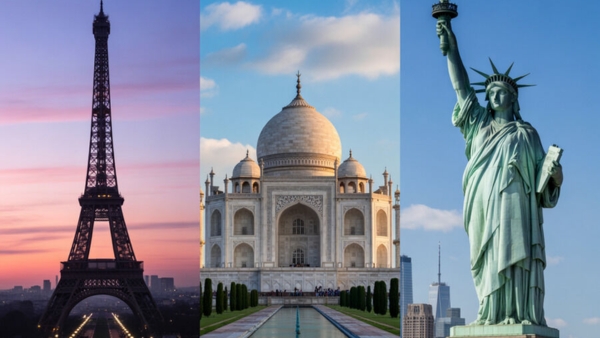
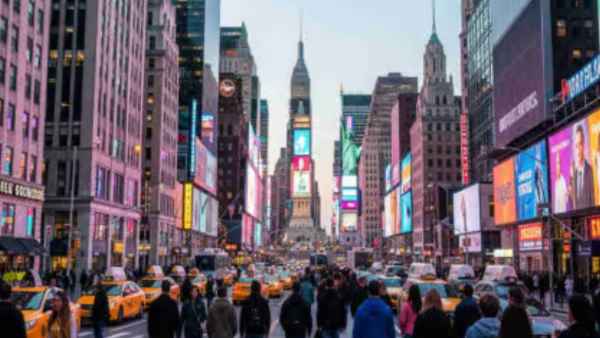
Taj Mahal joins Times Square, Eiffel Tower, Trevi Fountain, Niagara Falls, Shibuya Crossing, and other iconic destinations in facing unprecedented crowds and tourist challenges due to their overwhelming popularity. These landmarks, celebrated for their historical and cultural significance, continue to attract millions of visitors each year, leading to long queues, congested spaces, and the struggle to enjoy their beauty without distraction. As tourism surges globally, these iconic sites are under pressure to balance accessibility with preservation. However, with effective strategies and innovative solutions, managing overcrowding and enhancing the visitor experience remains possible, ensuring these landmarks continue to inspire awe for generations.
Tourism has reached unprecedented heights in the 21st century, bringing millions of visitors to the world’s most iconic landmarks. From the majestic Taj Mahal in India to the glittering lights of Times Square in New York, these attractions have become symbols of history, culture, and human ingenuity. However, their immense popularity has brought along one major challenge: overcrowding. As we move further into 2026, managing these crowds is becoming a pressing issue. In this article, we will explore the overcrowding crisis at ten of the world’s busiest tourist destinations and suggest effective strategies for controlling the chaos in 2026.
The Taj Mahal, a breathtaking symbol of love, attracts millions of tourists every year. However, its immense popularity comes at a price — overcrowding. With visitors flocking from all corners of the world, capturing a serene, crowd-free photo of this architectural marvel has become increasingly difficult.
Recent News



UAE Tourism Makes a Powerful Global Comeback
Aug 15,2026