Bajrang Setu Boosts Uttarakhand Tourism with India’s First Glass Bridge
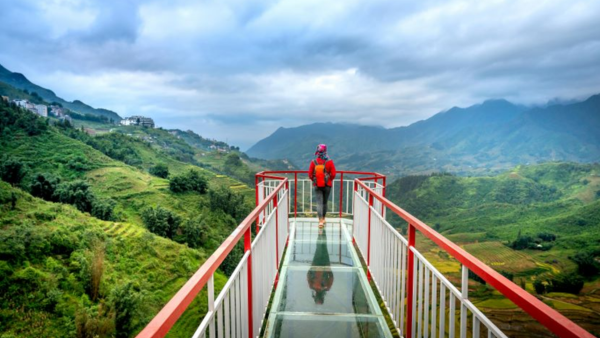
The landscape of spiritual tourism in Uttarakhand is being fundamentally reshaped by the introduction of the Bajrang Setu. This massive infrastructure project is located in the sacred city of Rishikesh, where it is positioned to become a primary attraction for both international and domestic visitors. As the first glass-floor suspension bridge in the country, the structure is being completed to serve as a modern replacement for the historic Lakshman Jhula. The Ganges River is spanned by this state-of-the-art facility, ensuring that the heavy flow of pilgrims and travelers is managed with enhanced safety and efficiency. High-quality toughened glass and heavy-duty steel cables are being utilized in the construction process to ensure that the bridge remains a durable landmark for decades to come.
The necessity for a new crossing was identified after the iconic Lakshman Jhula was closed to the public due to safety concerns. For decades, the older bridge served as a vital link between the two banks of the river, but structural fatigue eventually led to its retirement. In response, the Bajrang Setu was envisioned not merely as a functional pathway but as a symbol of architectural progress. By the Public Works Department, the project was initiated to ensure that the spiritual journey of thousands remains uninterrupted. The bridge is situated adjacent to the original site, allowing the cultural heritage of the area to be maintained while modern engineering standards are applied.
Great precision is being applied to the engineering of this 133-meter-long bridge. Unlike traditional suspension bridges where the walkway is composed of concrete or wood, a significant portion of this deck is being fitted with transparent glass panels. It is reported that the glass used for the walkway is of a specialized variety, capable of supporting substantial weight while remaining resistant to the elements. By the designers, a dual-lane system has been incorporated to allow for the separate movement of pedestrians and light vehicles. The structural stability is provided by massive steel pillars and high-tension cables that have been anchored deep into the rocky terrain of the Himalayan foothills.