Japan Unveils 100-Region Strategy to Transform Travel Experiences
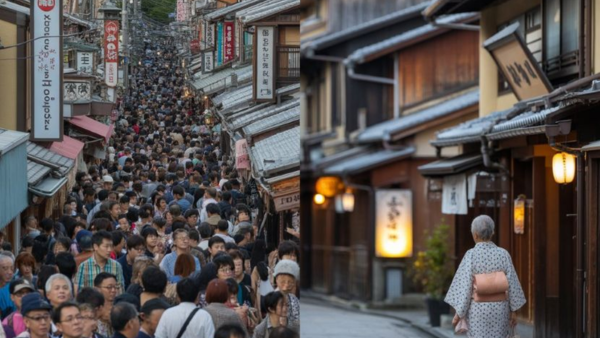
In 2026, Asia has been thrust into a major transformation in its tourism sector as Japan announced a groundbreaking initiative to combat overtourism. This ambitious plan, set to be implemented from 2026 to 2030, aims to expand the regions tackling the negative effects of mass tourism from 47 to 100 by 2030. It marks a bold move to strike a balance between tourism growth and maintaining the quality of life for local residents. With over-tourism affecting destinations worldwide, Japan’s initiative sets the stage for a regional shift towards more sustainable, mindful travel. The ripple effect of this plan will extend across Asia, influencing other countries and setting a new standard in tourism management.
Overtourism has been a growing issue for several years, with iconic cities like Kyoto, Osaka, and Tokyo, among others, facing the brunt of overcrowded tourist spots, pollution, and strained resources. The influx of visitors has been causing massive disruptions in local communities, with residents often bearing the brunt of overcrowded streets, noise, and damage to cultural heritage. With the recent rebound in tourism following the pandemic, these issues have been reignited, requiring urgent intervention.
The overcrowding of popular destinations has led to a decline in both resident satisfaction and visitor experience. Sites that were once tranquil and revered have been turned into overcrowded hotspots. The government of Japan recognized that unchecked tourism growth threatens not only the environment but also the culture and essence of these historic places.