Malaysia Joins Global Partners Driving Marina Bay Tourism Growth
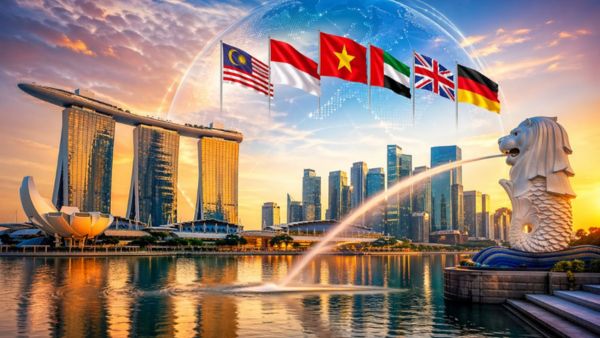
The global travel and tourism spotlight is rapidly shifting toward Singapore as Pan Pacific Singapore secures a high-profile nomination in the prestigious Condé Nast Traveler Readers’ Choice Awards, signaling a powerful moment for luxury hospitality and international tourism appeal. This recognition places the hotel among the world’s most sought-after destinations, reinforcing Singapore’s reputation as a leading travel hub while energizing competition across Asia’s premium hospitality sector. A sweeping new chapter in global travel is unfolding as Malaysia, Indonesia, Vietnam, United Arab Emirates, United Kingdom, and Germany align as strategic tourism partners with Singapore, creating a powerful, geographically diverse alliance that spans Southeast Asia, the Middle East, and Europe. This collaboration is not merely symbolic—it reflects a coordinated push to reshape how modern travelers move across regions, blending multi-country itineraries, seamless connectivity, and high-value experiences into a unified global tourism framework. Each partner nation brings its own strength to the table: vibrant cultural landscapes, strong outbound travel markets, advanced aviation networks, and growing demand for premium, experience-driven tourism. Together, they form a dynamic ecosystem designed to attract, distribute, and sustain international visitor flows at an unprecedented scale.
At the very center of this strategic vision stands Marina Bay: a destination that has rapidly evolved into one of the most recognizable and aspirational urban tourism hubs in the world. With its futuristic skyline, waterfront luxury, and concentration of iconic attractions, Marina Bay serves as both a symbolic and functional anchor for this global partnership. It is here that international travelers converge—whether for leisure, business, events, or stopovers—experiencing a seamless blend of innovation, hospitality, and cultural diversity. The district’s ability to integrate world-class infrastructure with immersive visitor experiences makes it an ideal focal point for a tourism strategy that aims to connect continents while maintaining a high standard of quality and consistency.
What makes this alliance particularly significant is its ability to bridge short-haul and long-haul travel markets : Southeast Asian partners like Malaysia, Indonesia, and Vietnam strengthen regional circuits and encourage multi-destination travel within close proximity, while global players such as the United Arab Emirates, the United Kingdom, and Germany expand long-haul connectivity and funnel high-spending international tourists into the network. Singapore, positioned at the crossroads of these flows, acts as a gateway—facilitating transit, enhancing accessibility, and elevating the overall travel experience through efficiency, safety, and innovation. This interconnected approach ensures that tourism growth is not isolated but shared, creating a ripple effect across regions and economies.
Backed by robust aviation links: coordinated tourism campaigns, and a shared emphasis on luxury, sustainability, and digital transformation, the partnership signals a shift toward a more integrated and resilient global tourism model. It reflects how destinations are no longer competing in isolation but collaborating to create broader, more compelling travel narratives that appeal to the modern global traveler. In this evolving landscape, Marina Bay emerges not just as a destination, but as a strategic centerpiece—an iconic stage where global tourism ambitions are realized, partnerships are activated, and the future of interconnected travel takes shape.