Krabi Leads Sustainable Coastal Tourism Growth in Thailand
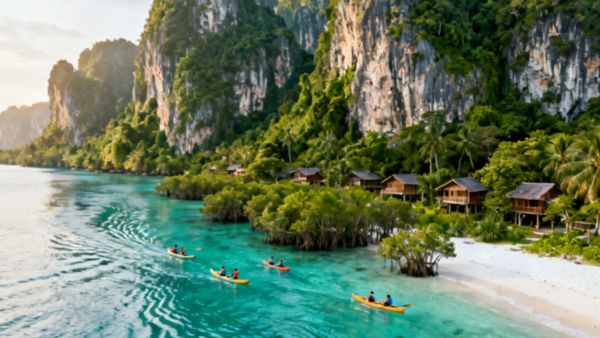
Thailand’s Krabi is emerging as a pivotal destination in the country’s tourism transformation, combining stunning natural beauty with a commitment to sustainability. As global travelers increasingly seek destinations that offer both luxury and environmental responsibility, Krabi stands out by providing an authentic experience that supports conservation efforts while driving tourism growth. The province’s blend of picturesque landscapes, eco-friendly initiatives, and improved infrastructure positions it as a leading model for the future of tourism, showcasing how destinations can thrive without compromising the environment.
Krabi: Thailand’s Emerging Coastal Gem Combining Nature, Growth, and Sustainability for Future Tourism
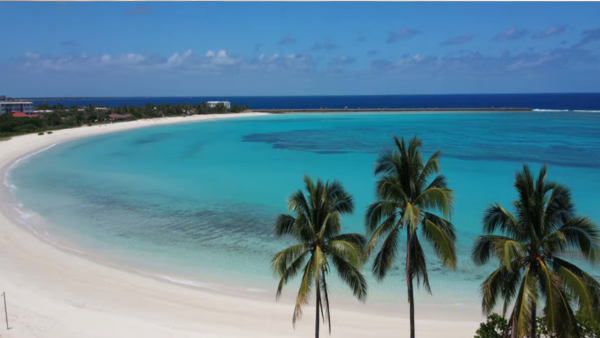
Thailand’s tourism sector, already one of the world’s most prominent, is currently undergoing a significant transformation, with a focus on sustainability and responsible growth. Among the numerous destinations, Krabi has quietly emerged as a shining example of this evolving vision. Known for its stunning limestone cliffs, clear turquoise waters, and charming islands, Krabi has long been recognized as a paradise for beach lovers. However, in recent years, the province has been gaining attention for its efforts to balance tourism growth with environmental conservation, positioning itself as a model for Thailand’s future in tourism.
Krabi has steadily climbed the ranks of Thailand’s top tourist destinations, largely due to its stunning natural beauty. The province stretches along the Andaman Sea, offering visitors breathtaking landscapes of rugged cliffs, serene beaches, mangrove forests, and picturesque islands. This area has become increasingly significant for Thailand’s overall tourism growth, with Krabi being promoted not only as a top tourist hotspot but also as a leader in sustainable travel. The Tourism Authority of Thailand (TAT) has placed Krabi at the forefront of international marketing campaigns, promoting the province as a prime example of modern tourism—where environmental responsibility and tourism expansion go hand in hand.