Predictive AI Set to Transform Travel Booking in 2026
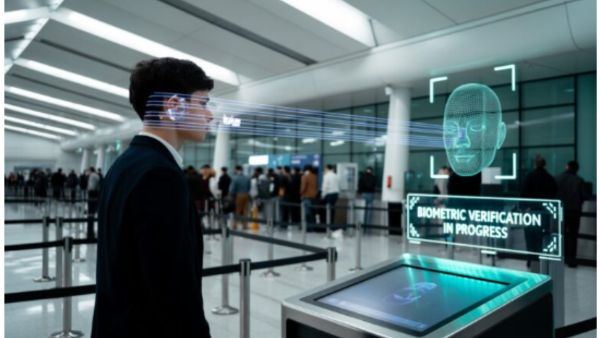
There is a silent, high-velocity energy currently pulsing through the sleek terminals of Changi and Suvarnabhumi—a sense that the physical barriers of travel are finally evaporating into a cloud of data and light. For those of us who have felt the frustrating sting of a long security queue or the frantic search for a misplaced passport while juggling luggage, the news of the 2026 Smart Technology revolution is a powerful win for the spirit of effortless discovery. We all know that magical, hair-raising feeling of walking through a gate and having it open simply because the world recognizes who you are, and today, that feeling is becoming the standard for millions of global explorers. In 2026, as travelers pivot away from the “paper-and-plastic” era and toward a digital-first identity, the journey is proving that technology is the ultimate hospitality. It is a moment of absolute triumph for the modern traveler, showing that when we embrace the power of the algorithm, we unlock more time for the actual experience. The horizon of global travel just got a lot more streamlined, and the invitation to step into the “Frictionless Frontier” is officially open to the modern explorer.
The Latest Breaking News: Biometrics Shatter the 40% Wait-Time Barrier Today
In a strategic and high-velocity move to dominate the 2026 efficiency market, major international transit hubs have officially successfully transitioned to a “Face-as-a-Passport” model. The viral update of the day is that biometric integration has reduced airport processing times by over 40% in high-traffic corridors like Singapore and Tokyo. According to reports aligned with the International Air Transport Association (IATA) and various government digital transformation portals, facial recognition is now the primary mode of verification for roughly 85% of long-haul passengers. Experts shared through indirect speech that this isn’t just about speed; it’s about a structural shift toward biometric sovereignty. They remarked that travelers are no longer just passengers; they are walking digital keys that interact seamlessly with the infrastructure of the world right now.