Japan’s High-Tech Innovation Reshapes the Future of Travel
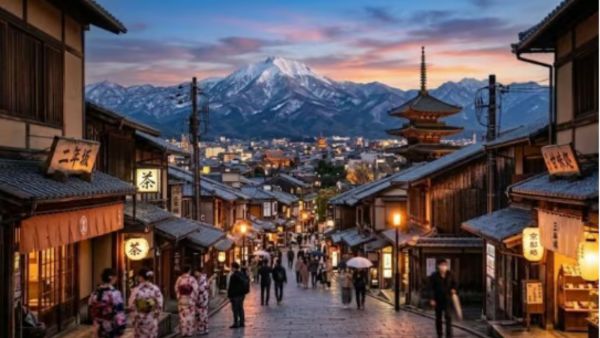
Japan has long been a shining example of the perfect blend of modernity and tradition. With neon lights illuminating Shinjuku and the serene, sacred spaces of Kyoto, the country has always captivated the hearts of millions of travelers. The tranquil atmosphere in Nara, where deer roam freely, and the peaceful hot springs in the Japanese Alps offer anotherworldly charm that few destinations can replicate. However, as tourism numbers surged in recent years, particularly with 42.7 million visitors in a single year, Japan faced an unprecedented challenge. While the massive influx is a testament to Japan’s magnetic appeal, it has also created strains on the very landscapes and cultural sites that tourists cherish. Japan now finds itself at a crossroads, with concerns about overcrowding beginning to outweigh the benefits of more visitors.
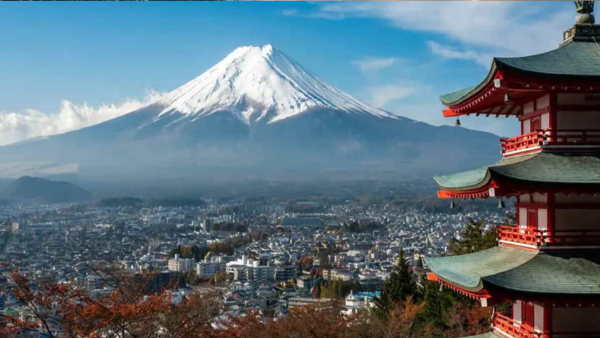
Japan’s charm lies in its cultural richness and natural beauty, but these features have led to a growing issue of overtourism. Iconic sites like Mount Fuji, the bustling Gion District in Kyoto, and the picturesque streets of Nara have been overwhelmed by crowds. The once peaceful corners of the country, from temples to remote rural areas, now face congestion. Kyoto, for instance, has seen its local buses so full that residents struggle to get to work. The sight of overcrowded streets, particularly the iconic Mount Fuji trails, has led to a sense of unease among locals. The growing number of visitors has transformed these areas from tranquil cultural treasures into bustling tourist hotspots. Local communities have started to feel that instead of offering a welcoming space for visitors, their neighborhoods are becoming like living exhibits for tourists. This shift raises not only logistical concerns but also questions about the social responsibility of tourism in a destination.