Pahadan Village Emerges as a Model for Rural Tourism in India
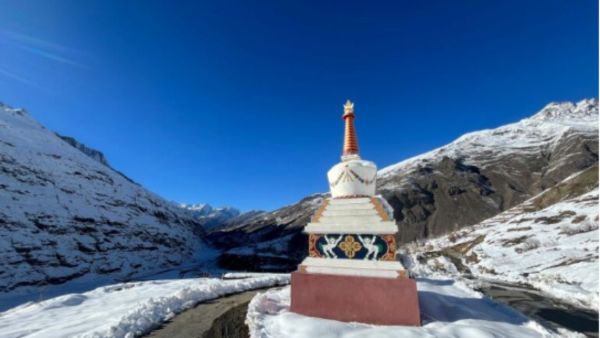
In the serene landscapes of Himachal Pradesh, a remarkable shift in the socio-economic fabric is being observed. Specifically, within the district of Mandi, a small settlement known as Pahadan’s Village has been elevated to the status of a premier model for rural tourism and self-reliance. This transition has not occurred in isolation; rather, it is the result of meticulous planning and a deep-rooted commitment to sustainable development. By leveraging the inherent natural beauty and the rich cultural heritage of the region, a blueprint for community-led growth has been successfully established.
The concept of rural tourism is often discussed in abstract terms, yet in this specific location, it has been manifested through tangible actions and community participation. The initiative was spearheaded with the intent of curbing migration and providing the local youth with viable economic opportunities within their own geographical boundaries. Consequently, the village is now recognized not just as a destination for travelers, but as a testament to what can be achieved when traditional wisdom is integrated with modern management practices.
**Architectural Integrity and Cultural Preservation**
The visual and structural identity of the village has been maintained with great care. It is observed that the traditional Himachali architecture, characterized by intricate woodwork and stone masonry, has been preserved to provide an authentic experience for visitors. This preservation is not merely for aesthetic purposes; it serves as a functional reminder of the region’s history. Homes that were once falling into disrepair have been refurbished into homestays, where the principles of hospitality are practiced by the residents themselves.
Through this model, the culture of the region is not commodified but celebrated. Guests are invited to participate in daily village activities, ranging from traditional cooking to agricultural practices. By doing so, a bridge is built between the urban traveler and the rural lifestyle. The passive observation of local customs is replaced by an immersive experience that benefits both the visitor and the host. The integrity of the local way of life is prioritized, ensuring that the influx of tourism does not erode the social values that define the community.