EU shifts to digital visas for Schenge area
Once it is in place, people applying for short stays in the Schengen area will upload
documents, data and electronic copies of their travel documents with biometric informa
and pay fees, all through an online platform. The shift towards digitalisation of the visa
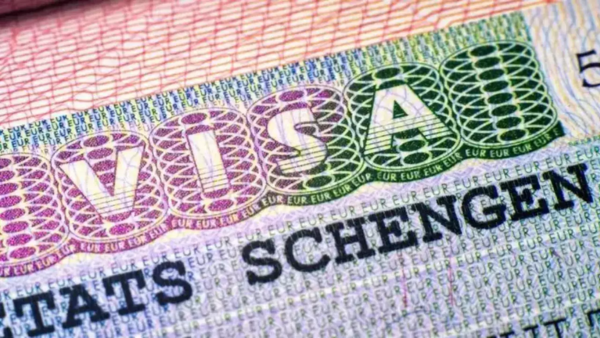
process will do away with the need for applicants to get a sticker in their passport, mean
no more appointments at consulates or service providers' offices.
People applying for visas to visit Europe's Schengen area will soon do so
via an online platform, under a change adopted by EU foreign ministers
on November 13.
The shift towards digitalisation of the visa process will also do away with
the need for applicants to get a sticker in their passport, meaning no
more appointments at consulates or service providers' offices.
The change, unveiled after a long legislative process, will take effect
after technical work on the visa platform, expected to take months, then
publication in the EU's administrative gazette.
The online visa system "will simplify the application process for
travellers," said Spain's Interior Minister Fernando Grande-Marlaska,
whose country currently holds the EU presidency.
Once it is in place, people applying for short stays in the Schengen area
will upload documents, data and electronic copies of their travel
documents with biometric information, and pay fees, all through an
online platform.
If approved after database cross-checks, they will receive a
cryptographically signed barcode to print off or store in a device.
But some first-time applicants or those with a new passport or changed
biometric data may still need to attend an in-person appointment.
In most cases, citizens from more than 60 countries around the world,
including Australia, Britain, Canada, New Zealand and the United
States, do not need to apply for Schengen visas for short visits.But they will still be required to apply online for pre-screened entry
under a much-delayed European Travel Information and Authorisation
System (ETIAS), similar to the ESTA system employed by the United
States. ETIAS is now expected to be up and running in mid-2025.
All visitors entering the European Union -- with visas or visa waivers --
will find themselves going through an automated EU Entry/Exit System
(EES), whose implementation has also been much delayed but expected. The computerised EES will record a person's details and biometric data
along with their date of entry and exit, keeping track of overstays and
refused entries.