Travel Industry in The Middle East Predicted to Exceed $127 Billion by 2027
The Middle East travel sector is set for a remarkable trajectory, with a forecasted 40% growth through 2027, pushing bookings past $127 billion, according to a recent report.
This optimistic outlook is fueled by significant investments in travel infrastructure and rising consumer demand, as detailed in the latest report by Insight Out Consultancy, a premier hospitality consulting firm.
Insight Out has collaborated once again with Phocuswright, the leading authority in global travel research, to produce the annual Middle East Travel Market Report.
Key highlights from the report reveal a 13% increase in travel gross bookings for 2023, significantly outpacing the region’s GDP growth by a factor of five. The UAE continues to lead the market, with an impressive $44.5 billion in gross bookings, marking a 12% increase from the previous year.
United Arab Emirates: In 2023, the UAE solidified its position as the dominant player in the Middle East travel market, achieving $44.5 billion in gross bookings—a 12% increase from the previous year. This growth was driven by strategic investments in airline routes, hotels, and attractions, supported by the nation’s advanced tourism infrastructure. The hotel sector saw a 16% increase in bookings, while the aviation industry, led by Emirates and Etihad, experienced robust revenue growth. The rise of Online Travel Agencies (OTAs) further propelled the sector, with anticipated growth into 2024. Despite facing challenges such as fluctuating demand and increasing competition from Saudi Arabia and Qatar, the UAE’s emphasis on innovation, sustainability, and tourism diversification ensures continued expansion.
Saudi Arabia: Saudi Arabia’s travel sector surged in 2023, reaching $17 billion in gross bookings—a 16% year-over-year increase. This growth was driven by heightened domestic travel and inbound tourism, supported by significant projects like the Red Sea Project, Neom City, and AlUla. The hospitality sector saw increases in occupancy rates, average daily rates, and revenue per available room. Under its Vision 2030 initiative, Saudi Arabia is rapidly enhancing its tourism infrastructure, including a plan to triple hotel room inventory by 2030 and investing in aviation with the upcoming launch of Riyadh Air.
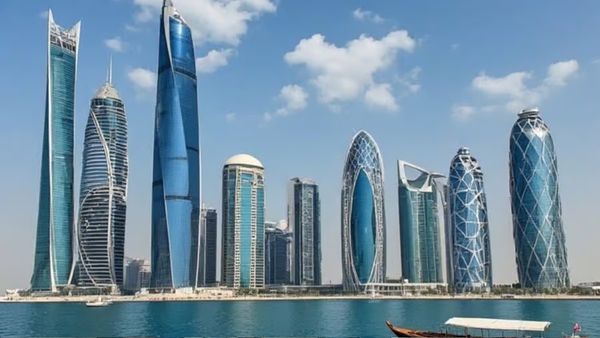
Qatar: Leveraging the global attention from the FIFA World Cup 2022, Qatar’s travel industry grew in 2023, with gross bookings approaching $16 billion, an 8% increase from the previous year. The country built on the momentum from the World Cup and Qatar Airways’ expansion to attract more visitors. The hotel sector diversified its offerings, from luxury to budget accommodations, while car rentals gained popularity as travelers explored beyond Doha. Qatar’s future tourism strategy focuses on diversifying offerings, developing cultural and ecotourism attractions, and using technology to enhance travel experiences, ensuring sustained growth despite seasonal challenges.
Egypt: Egypt’s tourism industry exceeded expectations in 2023, attracting 14.9 million visitors and surpassing pre-pandemic revenue levels in local currency. This success is attributed to effective safety measures, strategic marketing, and a global surge in travel demand. Despite challenges such as currency devaluation, geopolitical tensions, and economic fluctuations, Egypt’s tourism sector remains resilient, with a 63% increase in gross bookings in local currency. The government aims to attract 30 million tourists by 2028 through expanding eco-friendly practices, diversifying accommodations, and enhancing infrastructure.
With over 15 years of experience in the Middle East travel and hospitality industry, Insight Out Consultancy provides in-depth research and insights. Their data-driven approach supports the sector’s evolution and has assisted numerous private and public organizations, including Amadeus, Jumeirah, Seera, and various GCC tourism bodies.
The Phocuswright report offers a comprehensive analysis of the Middle East travel market, including market sizing, future projections, distribution trends, and insights into key travel segments such as air travel, hotels, and car rentals, with a focus on the UAE, KSA, Egypt, and Qatar.