Vietnam Drives a Monumental Surge in Cultural Tourism
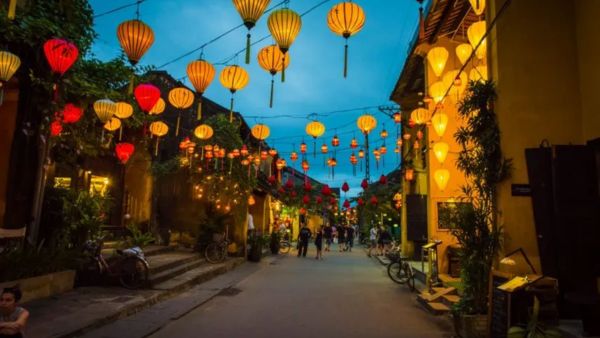
Vietnam rich cultural heritage, traditional crafts, and vibrant festivals fuel a booming cultural tourism industry, attracting millions of visitors annually.
Vietnam is witnessing a remarkable rise in cultural tourism, fueled by an increasing global interest in heritage and culinary experiences. This trend has gained significant traction, especially among the nation’s younger generation.
Vietnam is home to 32 UNESCO-recognized heritage items, including five cultural heritage sites, 24 intangible cultural heritage elements, and documentary heritage items, as well as over 40,000 heritage sites, with nearly 10,000 classified at municipal and provincial levels.
In recent years, Vietnam has consistently ranked high in international tourism awards. The country earned titles such as Top Asia Destination and Top Asia Destination for Heritage, Culture, and Cuisine from the World Travel Awards (WTA) for three consecutive years from 2018 to 2020. In 2023, Vietnam was once again recognized as the Top Asia Destination for Heritage, Culture, and Cuisine by the WTA.
Hà Văn Siêu, deputy director of the Vietnam National Authority of Tourism (VNAT), emphasized that effectively leveraging cultural heritage provides visitors with a deeper understanding of local cultural values, encouraging repeat visits.
Vietnam’s traditional crafts, festivals, and diverse cuisine are invaluable assets for cultural tourism. Iconic Vietnamese dishes like phở, bánh mì, bún chả, and bánh cuốn have received global acclaim, acting as ambassadors of the country’s tourism.
The nation’s UNESCO-listed heritage sites, such as the Complex of Huế Monuments and Hạ Long Bay, have seen significant surges in popularity. These sites, which once attracted few visitors, now draw millions annually. In 2023, Huế welcomed 2.28 million tourists, including over a million international visitors. Similarly, Hạ Long Bay attracted nearly 2.7 million tourists, generating VNĐ780 billion (US$32.5 million) in revenue—a remarkable 80% increase from 2022.
Hội An, a UNESCO World Heritage site, has also experienced tremendous growth, with nearly four million visitors in 2023—an increase of 99% from the previous year. Foreign tourist arrivals tripled to more than three million, while domestic visitors increased by 77%, reaching around one million.
Vietnam’s cultural tourism scene is further enriched by captivating performances. Shows like Tinh Hoa Việt Nam (The Quintessence of Vietnam) on Phú Quốc Island and Ký Ức Hội An (Memories of Hội An) have captivated audiences, with the latter being recognized as the Top Entertainment Destination. Northern Vietnam’s Vũ Điệu Trên Mây (Dance on the Clouds) won the Top Cultural Tourist Destination award for Sun World Fansipan Legend at the 2022 World Travel Awards. Meanwhile, in Hanoi, CNN highlights the Tinh Hoa Bắc Bộ (Quintessence of Tonkin) show as a must-see attraction.
As global travelers seek eco-friendly and culturally immersive experiences, young Vietnamese are at the forefront, passionately preserving and promoting their country’s heritage. Hà Kim Ngọc, deputy minister of Foreign Affairs and chairman of the Vietnam National Commission for UNESCO, emphasized that while young people have certain advantages, they must harness digital transformation, social media platforms, and mobile applications to promote UNESCO heritage sites globally.
Ngọc praised the innovation and creativity of the younger generation, which has allowed them to introduce Vietnam’s rich cultural heritage to the world. A prime example is Will in Vietnam, a popular TikToker with 3.2 million followers, who describes the country as a cultural tourism hotspot full of endless possibilities.
To fully harness the potential of cultural tourism, Vietnam must continue to strengthen its regulatory framework. Support, incentives, and better oversight are needed to safeguard ethnic cultural values. Raising public awareness is also essential to ensuring the sustainability of cultural tourism initiatives.