Air India Halts Tel Aviv Flights Amid Missile Fears as Global Aviation Turmoil Grows
Summary: Air India Suspends Tel Aviv Flights Amid Growing Middle East Instability
Flight Suspension Due to Missile Strike Fears
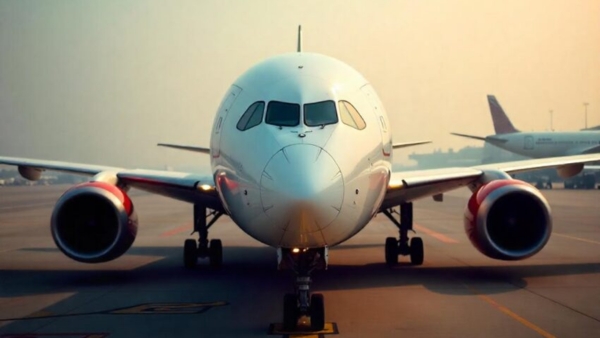
Air India has suspended its direct flights between Delhi and Tel Aviv until May 25, 2025, citing heightened security concerns after a Houthi missile strike near Israel's Ben Gurion Airport on May 4. The strike, though not a direct hit, raised substantial alarm within global aviation circles, prompting Air India and other international carriers to reassess safety protocols across conflict-affected air corridors.
This decision disrupts the only direct air link between India and Israel and reflects the airline's emphasis on passenger safety and risk mitigation. The suspended route accounts for approximately 1,500 weekly seats, according to OAG Aviation data.
Passenger Rebooking & Refund Options
Air India has rolled out flexible rebooking and full refund policies for all affected travelers with flight dates through May 25. Customers are advised to stay updated via official platforms and can use the airline’s website or customer care to manage changes. This effort is aimed at preserving consumer trust during operational uncertainty.
Wider Regional Aviation Crisis
The suspension is part of a broader pattern of aviation disruptions affecting countries such as India, Israel, Yemen, the UAE, Germany, UK, Pakistan, Turkey, and the US. The missile attack, linked to Houthi rebels from Yemen acting in support of Palestine, has prompted multiple airlines including Lufthansa and British Airways to pause flights to Israel temporarily. India’s DGCA has also issued advisories urging caution for carriers operating over conflict zones.
Economic Impact on Air India
The halted route is projected to cause up to $10 million in monthly revenue loss for Air India, considering both ticket sales and associated services like cargo and loyalty programs. However, industry analysts see the move as a prudent cost-containment strategy, avoiding risky and expensive reroutes over longer paths.
Operational Strategy and Fleet Realignment
With the suspension of Tel Aviv flights (usually operated by Airbus A320neo aircraft), Air India is expected to reallocate aircraft and crew to higher-demand domestic routes (e.g., Delhi–Mumbai) and popular international sectors (e.g., London–Delhi, Singapore–Bangalore). This helps optimize aircraft usage and maintain operational efficiency.
The move is in line with Air India’s ongoing modernization and expansion under the Tata Group, including the acquisition of newer aircraft like the Airbus A350, to improve flexibility during volatile periods.
Alternate Routes for Travelers
Though Air India’s direct flights are on hold, Indian travelers can still reach Israel via third-party carriers such as Emirates (via Dubai) and Turkish Airlines (via Istanbul). These alternatives often involve 4–6 extra hours of travel time, plus potential visa requirements for transit.
Travelers are urged to remain informed about fast-changing regional entry rules and safety updates.
Strategic Risk Management and Industry Response
Air India’s decision reflects a broader trend of risk-averse strategies among global carriers, prioritizing crew and passenger safety amid unpredictable geopolitical developments. The airline began by diverting a Tel Aviv-bound flight to Abu Dhabi before expanding the temporary suspension.
Other aviation authorities and carriers are closely monitoring developments as the Middle East experiences a spike in missile activity and military escalation.
Conclusion: Dynamic Outlook
Air India will reassess flight operations after May 25, pending security evaluations from Indian and Israeli authorities. Meanwhile, it remains in close contact with global aviation bodies and stakeholders.
The airline’s swift communication, customer-friendly policies, and focus on risk management are earning it praise during this volatile period. However, the ongoing instability underscores the persistent challenges of international air travel in conflict-prone regions.