U.S. Joins Iraq, China, Iran, UAE, Saudi Arabia & India in Versailles Accord to Strengthen Gulf Stability, Transform Airline Operations & Unlock Middle East Tourism Connectivity
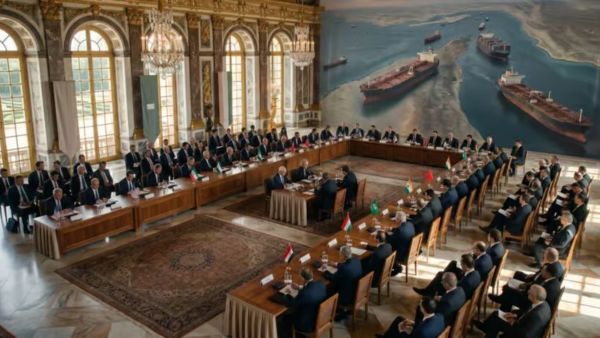
The 2026 diplomatic convergence at the Palace of Versailles marks one of the most consequential geopolitical turning points in recent Middle East diplomacy. The United States, alongside Iran, European mediators and key Gulf stakeholders, has agreed on a preliminary framework designed to stabilise maritime security, reopen strategic shipping corridors and reduce escalating tensions that have disrupted global energy and travel systems. The agreement is not a final treaty but a structured diplomatic roadmap that could reshape aviation networks, cruise operations, oil logistics and international tourism flows across the Middle East, United States, Iran, UAE, Saudi Arabia and beyond.
Versailles Diplomatic Framework and the Nature of the Preliminary Accord
The Versailles meeting brought together senior representatives from the United States, Iran and European diplomatic facilitators to establish a preliminary Memorandum of Understanding designed to de-escalate tensions in the Gulf region. The accord sets out a phased negotiation structure, conditional compliance mechanisms and maritime stabilisation commitments. It is not a peace treaty but a controlled diplomatic framework intended to prevent further escalation. The agreement prioritises maritime security, sanctions-linked economic adjustments and structured dialogue. The Middle East remains central to enforcement, particularly in ensuring stability across shipping lanes and reducing military friction in contested waters.