Boosting Connectivity For Tourism Growth
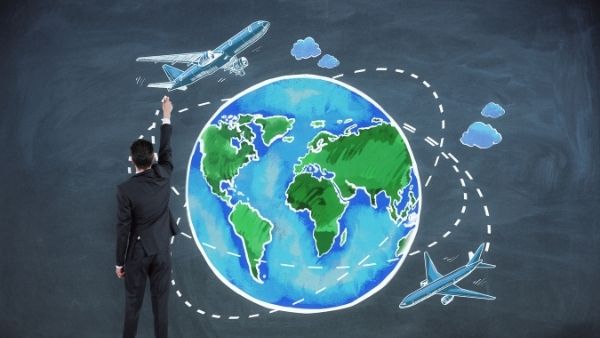
Connectivity and tourism go hand in hand. It is proven that a stronger connectivity network fuels the tourism growth of the county. India, which had been facing constraints to connect to its tourism destinations and hinterland, has adopted a multimodal approach to bridge this gap. Connectivity is the key to unlocking many new tourism opportunities hitherto underdeveloped. The recently concluded 36th Annual convention IATO brought together stakeholders from railways, airlines, sea and river to discuss the potential and contribution of these sectors in tourism growth.
During the discussion, the spotlight was put on the nascent sea cruise and river cruise along with the opportunities through the railways and air travel. Moderated by Ashish Gupta, Consulting CEO, FAITH, the panelists were Rajiv Jalota, Chairman, Mumbai Port Trust; Sanjay Kumar, Chief Strategy & Revenue Officer, IndiGo Airlines; Rajiv Jain, AGM (Tourism), Indian Railway Catering & Tourism Corporation (IRCTC), and Raj Singh, Founder, Antara Luxury River Cruises
Gupta asked that how can these sectors work with IATO and its members for the growth of inbound tourism at an industry level to have better partnership and more products, not only to create the arrivals but also from long term perspective? What followed was some critical sectoral insights and ways on how these sunrise sectors can leverage inbound trade for mutual growth.
In India’s tourism eco-system, cruising could undoubtedly emerge as the leading sub-sectors. This is evident in the growth that the sector witnessed prior to the pandemic. “In fact, in cruise per se, India was leading when covid hit us. Year 2019-20 was the peak year for cruise tourism for us. Indian Port Association had instituted a study that had projected India to reach 2.2 lakh cruise passengers by 2019-20 but it grew to 4.67 Lakhs passengers in 451 cruise calls, including over 107 international cruise calls before the pandemic brought all kind of travel to a halt,” Jalota said.
Although there are signs of revival, but international cruise liners aren’t coming in hordes any time soon. However, domestic market has shown immense promise. Domestic cruise started from September from Mumbai, covering Mumbai-Goa, Mumbai-Diu, Mumbai-Cochin, Mumbai-Lakshadweep and in the harbors. “Up till now (From September 2021 to mid-December 2021) almost 40 cruise calls have happened with 80,000 passengers using those services,” informed Jalota.
The above-mentioned study also projects India to reach over 40 lakh cruise passengers by around 2042 growing at over 12% CAGR. The mid-term growth was predicted at 27 lakh driven by domestic cruise market at an estimated 20 lakh passengers with the other 7 lakh being international. Jalota further said that if the industry wants to tap the market, then now is the time and invited IATO with ideas and partnership on expediting the growth and development of the cruise sector.
There are 110 rivers which have been designated as national waterways in India. Many of them are navigable and can handle river cruise. India does have a few vessels on the Ganges and Brahmaputra, but that’s about all of what we have in the name of River cruise in the country. Rivers like Chambal, Jhelum, Narmada or those in Goa are just a few examples. River cruise has been immensely popular and commercially successful in Europe and similar success stories can be replicated in India as well.
River cruise, says Singh, has immense growth potential, both as a sector and also in terms of growth for the trade and creating gainful employment all along the hinterlands of the country. He however insists that each river has its own character, and the ships have to be made keeping in mind the individuality of those rivers the ships will sail on. Experiences like the unexplored hinterlands, pristine countryside, taste of India’s rural landscape and the culture, cuisine and heritage en route can be its biggest draw.