Total solar eclipse – when is it, and what are the do's and don'ts
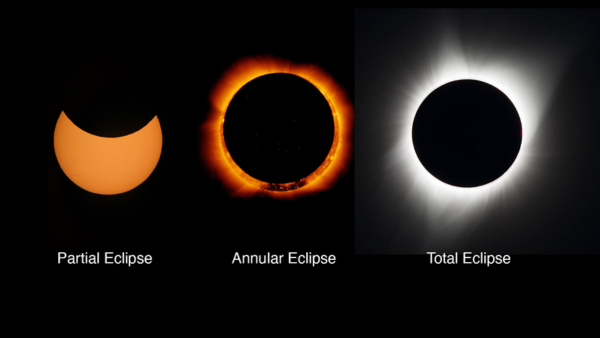
Every so often, the cosmos treats us to a breathtaking celestial phenomenon: the total solar eclipse. This awe-inspiring event occurs when the moon passes between the Earth and the Sun, casting a shadow on our planet and briefly turning day into night. While witnessing a total solar eclipse is a once-in-a-lifetime experience for many, it's essential to approach it with caution and preparation. Let's delve into the wonders of total solar eclipses and explore the do's and don'ts of experiencing this extraordinary event.
Understanding total solar eclipse
A total solar eclipse occurs when the apparent diameter of the moon matches that of the Sun, creating a perfect alignment that blocks out the Sun's light. As the moon's shadow races across the Earth's surface, observers within the narrow path of totality are treated to a surreal spectacle: the Sun's corona, or outer atmosphere, glowing like a radiant halo around the darkened disk of the moon. This ethereal display lasts only a few precious minutes but leaves a lasting impression on all who witness it.
The do's of viewing a total solar eclipse:
Plan ahead: Research the date (April 8), time, and location of upcoming total solar eclipses well in advance. Determine the best viewing spots within the path of totality and make travel arrangements accordingly. There are few places around the world where one can experience total solar eclipse, so you will need some time to plan your travel (domestic and international).
Use proper eye protection: Never look directly at the Sun during any phase of a solar eclipse without adequate eye protection. Use certified solar viewing glasses or solar filters for telescopes and cameras to prevent eye damage.
Arrive early: Get to your chosen viewing location early to secure a good spot and avoid last-minute crowds and traffic. Set up your equipment, such as cameras and telescopes, well in advance to ensure a smooth viewing experience.
Embrace the experience: Total solar eclipses are rare and magical events. Take time to appreciate the unique sights, sounds, and sensations of this cosmic spectacle. Capture memories through photography, but also take moments to simply soak in the wonder of the natural world.
The don'ts of viewing a total solar eclipse:
Don't look directly at the sun: Looking directly at the Sun, even during a partial eclipse, can cause permanent eye damage or blindness. Always use proper eye protection, such as solar viewing glasses or solar filters, to safely observe the eclipse.
Don't rely solely on technology: While cameras, telescopes, and smartphones can enhance your eclipse viewing experience, don't forget to take time to observe the eclipse with your own eyes. Balance technology with direct observation to fully appreciate the event.