Romania and Bulgaria are the newest entrants to Europe’s Schengen travel zone
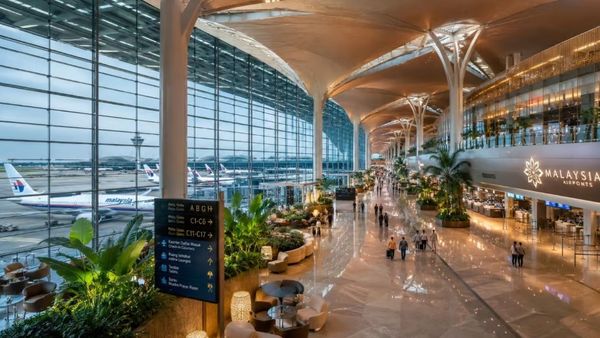
As per the latest development, Romania and Bulgaria took a significant step towards integration with the European Union as they partially joined Europe’s ID-check-free travel zone. This move will allow travellers free access to arrive by air or sea from both countries. However, land border checks will continue due to opposition, primarily from Austria, which has raised concerns about illegal migration.
EU Commission President Ursula von der Leyen hailed this development as a ‘huge success for both countries’ and a ‘historic moment’ for what is the world’s largest free travel zone. The Schengen Area, established in 1985, previously comprised 23 of the 27 EU member countries, along with Switzerland, Norway, Iceland, and Liechtenstein. Approximately 3.5 million people cross internal borders within this zone each day.
Austria vetoed Romania and Bulgaria admission into the Schengen zone at the end of 2022 but allowed Croatia full accession. Both Bulgaria and Romania joined the EU in 2007, while Croatia joined in 2013.
Siegfried Muresan, a Romanian Member of the European Parliament, described this as ‘an important first step’ that will benefit a lot of travellers annually. He stressed that Bulgaria and Romania have fulfilled all criteria for joining the Schengen area for years and expressed hope that it would lead to full accession.
Romanian Prime Minister Marcel Ciolacu welcomed this development, calling it a ‘well-deserved achievement’ that will facilitate easier travel for citizens and bolster the economy. He also outlined the government's plan for full accession to the Schengen Area by the end of the year.