

World’s longest pedestrian suspension bridge opens in Czech Republic
- May 15,2022
- Times of India
Czech Republic is now home to the longest pedestrian suspension bridge in the world which is called Sky Bridge 721! The 721 m (2365 ft) long bridge is a part of a mountain resort named Horský resort Dolní Morava in the country. Built at an altitude of more than 1100 m (3610 ft) above sea level, the bridge has become the latest tourist spot in the nation. The pedestrian bridge links two ridges of the mountains and hangs up to 95 m (312 ft) above the valley below. It is situated in the Northeastern part of the country in the Kralicky Sneznik mountain range close to the Poland border. From here, people can enjoy stunning views of the surroundings. It’s a perfect spot for those who enjoy heights. As of now, only 500 people will be allowed to be on the bridge at any one time. However, if the speed of the winds reach 135 kph, the bridge will be closed immediately for the safety of tourists. It took nearly two years and 200 million Czech crowns (USD8.3 million) to complete the construction work of the bridge. But one group believes that the bridge is too big for the surrounding environment, and some say that it will draw tourists to the town, which has a population of less than 500. As per Czech Tourism, the bridge is an asset that could attract tourists from across the world. Before this, the record was held by Arouca in Portugal. The bridge there is 516 m (1693 ft) long.
Read more
Shanghai nears end of lockdown, China’s Covid-19 angst grows
- May 14,2022
- Hindustan Times
After six weeks of confining people to their homes, enduring food shortages and the constant fear of being forcibly hauled away, Shanghai’s lockdown appears to have an end date. But China’s increasingly fraught battle with Covid-19 is far from over. Officials in the financial hub said Friday they’re seeking to stop community spread of the virus by May 20, a sign they may finally dismantle the gruelling restrictions that have upended lives and disrupted everything from banking to car manufacturing. Yet the prospect of lockdowns across major cities in China still looms large, with Beijing facing a growing list of Covid restrictions that are prompting fears it will soon suffer the same fate. Once a clear success story, China’s Covid strategy has become a liability. The zero-tolerance approach that kept the virus out for much of the pandemic is flailing in the face of more contagious variants, and patience is dissipating for the travel curbs, enforced quarantines and incessant testing needed to continuously try to eradicate Covid. Shanghai’s goal to unwind the lockdown was announced after the city failed in recent days to sustain a three-day stretch of zero infections outside of quarantine areas. That has been a key milestone for local authorities in China to consider an outbreak successfully contained and justify allowing normal life to resume. Tighter Restrictions Still, if anything President Xi Jinping appears to be embracing ever-tighter Covid restrictions in the face of an unprecedented grassroots backlash against his lockdown strategy and warnings of a sharp economic downturn. Last week the Communist Party’s supreme political body, the Politburo Standing Committee, vowed to “resolutely fight any attempts to distort, question or deny” its policy. For Xi, the political stakes are high. His government has touted China’s fight against Covid as morally superior to those of U.S. and European nations, making it hard to change tack as he looks to secure a precedent-breaking third term as president later this year. That has forced authorities to stay the course and seek to repress internal criticism even as World Health Organization chief Tedros Adhanom Ghebreyesus -- long seen by Beijing as an ally -- said the Covid-Zero strategy was no longer sustainable. “Now it is clear to anyone with two eyes that more people are dying from lockdown than from Covid and that it has become an excuse to keep people from moving around,” said Anne Stevenson-Yang, a co-founder of J Capital Research Ltd., who spent roughly a quarter-century in China. “This sort of thing tends to feed on itself, so the more repression, the more revolt, and things spin out of control.” The latest move to spur panic came Thursday, when the National Immigration Administration said it will strictly limit non-essential outbound travel for Chinese citizens and curtail access to documents needed to depart. While the move strengthened existing rules rather than instituting new border curbs, it sparked many comments from internet users worried that authorities were trying to prevent people from heading overseas. Salting the Wound “It’s like spreading salt on the wound,” said Sofia Fang, a Shanghai-based finance professional. “Why are they stopping us from leaving?” Beijing officials also denied a widespread rumor Thursday of an imminent lockdown of the city’s 22 million people, which spurred panic buying at food stores. Authorities announced they would instead do three rounds of Covid tests for most people while strongly advising everyone to stay at home. Police, meanwhile, said they detained a woman for allegedly fabricating rumors about a so-called three-day silent period with no food delivery. The city saw an uptick in the share of cases found through mass testing on Friday, with 11 out of 51 infections found in people who weren’t already isolated as a close contact. The figure underscores the risk of omicron’s further spread in the community, and shows the challenge facing health authorities as their already expansive contact tracing program fails to round up everyone exposed to the virus. At least three districts in the Chinese capital, including areas popular with expatriates that house most foreign embassies, have made work-from-home mandatory and closed a slew of subway and bus stations to limit movement. Meanwhile, schools have remained shut this month and dining in at restaurants is banned. Many indoor venues such as gyms and museums have also shut down. Some major cities across the country are building permanent booths so that hundreds of millions of residents will be no more than 15 minutes away from getting a test. The new infrastructure, created at the behest of the National Health Commission, aims to detect Covid infections early and enhance surveillance, said Guo Yanhong, an NHC official. Meanwhile, most of the country’s 31 provinces have set up makeshift hospitals -- either building new ones from the ground up or re-purposing existing facilities -- to handle future infection surges as omicron flareups become more common. While most analysts see little prospect of widespread protests or Xi somehow getting replaced, the measures are starting to erode confidence in the leadership among citizens who once hailed China’s measures as superior to the rest of the world. Early Support Fades Early on in the pandemic, there was widespread support for measures such as mass testing, mandatory isolation of all the infected and snap lockdowns. But the more frequent and forceful implementation of these curbs in response to omicron is starting to bring hardship they never thought possible, particularly in Shanghai and other locked-down places. Whereas previously Chinese citizens could favourably compare their lives to friends and family who lived overseas, now their belief in the superiority of the Communist Party’s approach has been shaken, said Mark Tanner, managing director of Shanghai-based marketing and branding firm China Skinny, which regularly gauges the sentiment of Chinese consumers for clients. “They were feeling really proud about how great China’s system was,” he said. “And then all of a sudden, I think a lot of them would probably feel like it’s the worst.”
Read more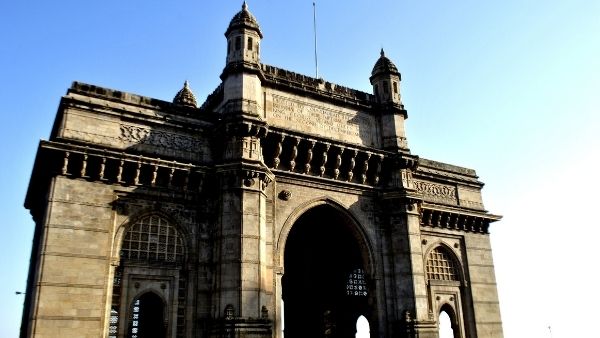
Mumbai Airport To Host A 45-Day Summer Carnival For Passengers
- May 14,2022
- Outlook India
With passenger’s finally enjoying summer travel after two long years of being home, Mumbai’s Chhatrapati Shivaji Maharaj International Airport (CSMIA) is all set to further enhance their travel experience. Starting May 15, 2022 to June 30, 2022, CSMIA is hosting the ‘Summer Carnival’ for all passengers travelling through Mumbai. From fun activities to exciting discounts across 20+ retail & FnB outlets at the airport, passengers are in for a gala time. Travellers can grab delicious food combos or claim their discounts at retail outlets during CSMIA’s 45-day long carnival. Those looking to feast on good food or grab cool beverages to beat the heat, can stop by Naastho, Baker Street, Wrapafella, Irish House, Vango, Moti Mahal among others to avail of great deals to save up to 33%. Moreover, serving as a treat for travellers who enjoy shopping on the go, CSMIA’s Summer carnival sale offers upto 15% off on retail choices. Shopaholics can enjoy massive deals on summer essentials such as apparels, accessories, sweets, confectionaries and even gifts & souvenirs at House of Candy, BookScetra, Cococart, Hidesign, Ode Spa, Rare Planet, Damilano, Tremode, Hamley's and Starbucks among others. The carnival has been initiated by CSMIA with sole purpose to make passenger’s trip through the airport a better experience and to give value for money. Over the years, CSMIA has hosted various passenger-centric initiatives such as The Mumbai Street Food Festival, and a kandil and diya decorations activity during Diwali, carol singing for Christmas, and Passenger Day fun performances and events.
Read more
New Zealand, Japan and Samoa set to reopen to visitors
- May 14,2022
- CNN
This week in travel news: the world's best hotels, greatest sandwiches and most spectacular railway journeys. Also, pilot emergencies in Florida and London and the latest countries to relax their entry restrictions. News from the air A passenger with no flying experience landed a plane at a Florida airport on May 10 after the pilot became incapacitated. An air traffic controller took the call and guided him step-by-step. That news came after a Virgin Atlantic flight heading to New York from London had to turn back after it emerged that the first officer, though fully qualified, hadn't completed Virgin's final flying test. Earlier this month, a United Airlines passenger was taken into custody after opening an emergency exit and walking on the wing, and in Bangkok, a man was arrested after allegedly going on an armed rampage at the country's biggest airport. And finally, a new survey reveals that customer satisfaction among US air passengers is declining across the board, from ticket cost to flight crew performance. Spectacular stays The world's most loved hotel for 2022 is a Costa Rican resort with more than 50 bungalows and villas and a private beach, according to Tripadvisor's annual Travelers' Choice Awards. Spots in Brazil, Greece, Turkey and Switzerland also made the top 10. For something even more exclusive, though, a very lucky few will be able to book a night this June at Paris' famous Moulin Rouge, in a secret room inside the windmill itself. It will be available through Airbnb with a token one euro price tag, and would-be guests will be able to put in their booking requests from May 17. If your accommodation preferences lean more simple and back-to-nature, however, you can take inspiration instead from these travelers who converted their own cozy campervans. Food and drink France is facing a foie gras crisis, and this time it's not because of pressure from animal rights campaigners, but a bird flu epidemic. Next door in Italy, we've been looking at Nutella's classy ancestor gianduiotto: a melt-in-the-mouth blend of cocoa and the premium hazelnuts that grow in Piedmont's Langhe region. Further south in Umbria, there's the region of Lake Trasimeno, which is known for its traditional dishes that differ wildly from its neighbors. Forget pizza and pasta: We're talking fishy friends such as perch, pike and eel. And finally, a humble stodgy staple loved by people of all nations: We rounded up 23 of the world's best sandwiches. Travel rule changes New Zealand has announced that it will fully reopen to international visitors on July 31, two months ahead of schedule. Japan has also announced that it will be relaxing its strict border measures in June, although dates and details have yet to be confirmed. The Polynesian island country of Samoa will open its international borders in August, although again, further details are yet to come. Earlier this week, its neighbor Fiji moved down from Level 3 ("High") to Level 2 ("Moderate") on the US Centers for Disease Control and Prevention's travel advisory for Covid-19 risk. Just one destination -- a Caribbean favorite -- moved up to Level 3. In Europe, the Covid-19 Aviation Health Safety Protocol has been updated: From May 16, its recommendation is that face masks need no longer be mandatory in air travel in all cases. Rail adventures From China's "Railway to Heaven" to the Australian Outback adventure of The Ghan, these are some of the world's most incredible train rides.
Read more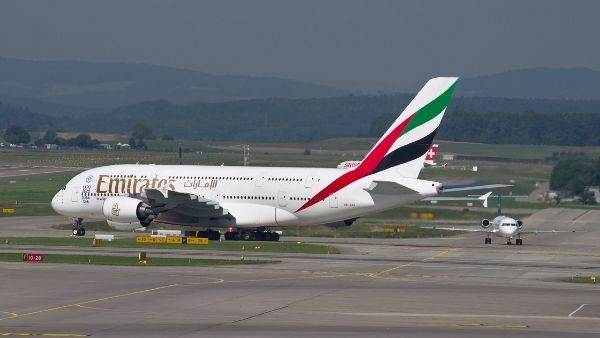
Emirates reports strong recovery in 2021-22 results
- May 14,2022
- Breaking Travel News
The Emirates Group has released its 2021-22 annual report which shows strong recovery across its businesses. dnata returns to profitability, and significant revenue improvements were reported across both Emirates and dnata as the Group rebuilt its air transport and travel-related operations which were previously cut-back or curtailed by the COVID-19 pandemic. For the financial year ended 31 March 2022, the Emirates Group posted a loss of AED 3.8 billion (US$ 1.0 billion) compared with an AED 22.1 billion (US$ 6.0 billion) loss for last year. The Group’s revenue was AED 66.2 billion (US$ 18.1 billion), an increase of 86% over last year’s results. The Group’s cash balance was AED 25.8 billion (US$ 7.0 billion), up 30% from last year mainly due to strong demand across its core business divisions and markets, triggered by the easing of pandemic-related restrictions. His Highness Sheikh Ahmed bin Saeed Al Maktoum, Chairman and Chief Executive, Emirates Airline and Group, said: “This year, we focussed on restoring our operations quickly and safely wherever pandemic-related restrictions eased across our markets. Business recovery picked up pace particularly in the second half of the year. Robust customer demand drove a huge improvement in our financial performance compared to our unprecedented losses of last year and we built up our strong cash balance. “The health and safety of our people and customers remained a key priority as the world navigated its second full year of the pandemic. Across Emirates and dnata, we responded to dynamic market conditions with agility, and introduced innovative products and services to meet our customers’ needs and provide them with the best possible experience. “2021-22 was also a significant year as the UAE marked its 50th anniversary and hosted the world at Expo 2020 Dubai which generated increased global engagement and visitation to the UAE. The Emirates Group was proud to play our part in contributing to the Expo’s success and to the UAE’s jubilee events.” In 2021-22, Emirates received a further capital injection of AED 3.5 billion (US$ 954 million) from its ultimate shareholder, the Government of Dubai, and the Group tapped on various industry support programmes and availed a total relief of nearly AED 0.8 billion in 2021-22. As Emirates and dnata ramped up operations, employees previously on furlough or made redundant were recalled and rehired, and new recruitment drives were held to replenish the Group’s talent pool and boost its future capabilities. As a result, the Group’s total workforce increased by 13% to 85,219 employees, representing over 160 different nationalities. In 2021-22, the Group collectively invested AED 7.9 billion (US$ 2.2 billion) in new aircraft and facilities, and the latest technologies to position the business for recovery and future growth. It also continued to progress its environmental strategy focussed on reducing carbon emissions, consuming resources responsibly, and conserving wildlife and habitats. During the year, the Group supported community, humanitarian and philanthropic initiatives in its various markets, as well as innovation incubators, and other programmes that nurture future solutions for industry growth. Sheikh Ahmed said: “For the Emirates Group, 2021-22 was largely about recovery, after the toughest year in our Group’s history. It’s not just about restoring our capacity, but also augmenting our future capabilities as we rebuild. Our aim is to build back better and stronger, so that we can deliver even better experiences to our customers and offer more support to the communities we serve. “We expect the Group to return to profitability in 2022-23, and are working hard to hit our targets, while keeping a close watch on headwinds such as high fuel prices, inflation, new COVID-19 variants, and political and economic uncertainty. “Our steady investments in infrastructure, technology, people, and partnerships, will continue to give us the ability and advantage in delivering industry-leading products and value to our customers. As Dubai and the UAE move ahead with its strategy for the next 50 years and beyond, the Emirates Group is well positioned to play our role in contributing to economic growth, facilitating global engagement, and making a positive impact on people and communities.” Emirates performance Emirates’ total passenger and cargo capacity increased by 47% to 36.4 billion ATKMs in 2021-22, as the airline continued to reinstate passenger services across its network in line with the lifting of pandemic-related flight and travel restrictions. From 120 destinations at the start of the financial year, to increased operations and capacity growth across over 140 destinations by 31 March 2022, Emirates was able to respond dynamically to serve customer demand wherever opportunities arose, thanks to the resilience of its people and business model. In July, the airline launched a new route to Miami, bringing its total passenger gateways in the US to 12. To serve the strong rebound in travel demand, Emirates deployed its flagship A380 aircraft to even more cities during the year, bringing its A380 network to 29 destinations as of 31 March 2022. Helping travellers access even more destinations, in 2021-22, Emirates reinforced its strategic partnerships with Qantas and flydubai, and expanded its interline and codeshare partnerships across Europe, the Americas, Africa and Asia including with: Aeromar, airBaltic, Airlink, Azul, Cemair, Garuda Indonesia, Gulf Air, Maldivian, South African Airways and TAP Air Portugal. Emirates also signed agreements and launched initiatives with tourism partners in various destinations to support travel and tourism recovery. Emirates received its final five new A380 aircraft during the financial year, all equipped with its latest cabin interiors including Premium Economy seats. It also phased out 2 older aircraft comprising of 1 Boeing 777-300ER and 1 Freighter, leaving its total fleet count at 262 at the end of March. Emirates’ average fleet age remains at a youthful 8.2 years. Emirates’ order book of 197 aircraft remains unchanged at this time. The airline is firmly committed to its long-standing strategy of operating a modern and efficient fleet, which underscores its “Fly Better” brand promise, as young aircraft are better for the environment, better for operations, and better for customers. With significantly enhanced capacity deployment across most markets, Emirates’ total revenue for the financial year increased 91% to AED 59.2 billion (US$ 16.1 billion). Currency fluctuations this year impacted the airline’s profitability negatively by AED 348 million (US$ 95 million). Total operating costs increased by 30% from last financial year. Cost of ownership (depreciation and amortisation) and fuel cost were the two biggest cost components for the airline in 2021-22, followed by employee cost. Fuel accounted for 23% of operating costs compared to 14% in 2020-21. The airline’s fuel bill more than doubled to AED 13.9 billion (US$ 3.8 billion) compared to the previous year, driven by a higher uplift of 66% in line with capacity expansion and a higher average fuel price which was up by 75%. With the removal of pandemic-related flight and travel restrictions globally, the airline managed to substantially improve its financial results and reported a loss of AED 3.9 billion (US$ 1.1 billion) after last year’s AED 20.3 billion (US$ 5.5 billion) loss, and a loss margin of 6.6%, significantly improved compared to 65.6% last year. Emirates carried 19.6 million passengers (up by 199%) in 2021-22, with seat capacity up by 150%. The airline reports a Passenger Seat Factor of 58.6%, compared with last year’s passenger seat factor of 44.3%; and a 10% decline in passenger yield to 35.1 fils (9.6 US cents) per Revenue Passenger Kilometre (RPKM), due to the change in route mix, fares and currency. Seat load factor and yield results cannot be compared against the previous year’s performance due to the ongoing unusual pandemic situation. Emirates continued to invest in its products and services to deliver ever better customer experiences. This year, it announced a major retrofit programme to equip 120 of its 777 and A380 aircraft with its new Premium Economy seats and the latest cabin interiors. It also accelerated digital initiatives to provide customers with smoother and safer journeys, from the quick and secure verification of COVID-19 travel documents, to more biometrics and contactless touchpoints at its Dubai hub. Emirates continued to lead the industry with initiatives that provide customer assurance as travel restrictions eased and more people made travel plans. It extended its generous rebooking waivers and complimentary COVID-19 medical cover for all customers; and introduced new ways for Emirates Skywards members to earn Miles while extending the expiry of miles and tier status. In this 2nd pandemic year, Emirates SkyCargo once again put in a stellar performance and contributed to 40% of the airline’s total transport revenue through its ability to respond rapidly to changing demand patterns in a distorted global marketplace. Emirates SkyCargo maintained its edge in the global airfreight industry by focusing its customers, bringing innovative solutions to the market, and leveraging its fleet and network capabilities. Rebuilding its network and capacity, the cargo division intelligently deployed its freighter fleet and belly-hold capacity, to meet customer needs. By 30 June 2021, it had restored services to over 90% of its pre-pandemic network. During the year, Emirates SkyCargo continued to play an important role in getting COVID-19 vaccines and other medical supplies to communities around the world, and keeping trade lanes open for food supplies, e-commerce and other essential goods. In June 2021, it invested to scale up its pharma cool chain infrastructure in Dubai and by March 2022, Emirates SkyCargo had transported 1 billion doses of COVID-19 vaccines. At the Dubai Airshow 2021, Emirates announced a US$ 1 billion investment to acquire 2 new Boeing 777 freighters and convert 4 existing 777-300ER aircraft into freighters. With steady and strong air freight demand throughout the year, Emirates’ cargo division reported a new record revenue of AED 21.7 billion (US$ 5.9 billion), an increase of 27% over last year. Freight yield per Freight Tonne Kilometre (FTKM) decreased by 3% as more cargo capacity returned to the global market, but generally remained at high levels compared to the pandemic marketplace due to steady and strong demand. Tonnage carried increased by 14% to reach 2.1 million tonnes, due to the growth in available bellyhold capacity for the entire year with the reinstatement of more passenger services. At the end of 2021-22, Emirates’ SkyCargo’s total freighter fleet stood at 10 Boeing 777Fs. Emirates’ hotels portfolio doubled revenue over last year to AED 602 million (US$ 164 million) as it re-opened more facilities to serve the upswing in tourism traffic and the gradual recovery of the meetings and conferences industry. During the year, Emirates successfully restructured and extended various aircraft leases. The support from aviation lessors and financing partners during these challenging times reflect the financial community’s confidence in Emirates’ business model, and its mid to longer term prospects. In addition to the AED 9.7 billion (US$ 2.6 billion) financing that was raised for aircraft and general corporate purposes in 2021-22, Emirates has already received committed offers to finance two aircraft deliveries due in 2022-23. Emirates closed the financial year with solid cash assets of AED 20.9 billion (US$ 5.7 billion), 38% higher compared to 31 March 2021. dnata performance Recovery from the pandemic was felt across all dnata businesses, and in 2021-22 dnata returned to profitability with a profit of AED 110 million (US$ 30 million). With growing flight and travel activity across the world, dnata’s total revenue increased by 54% to AED 8.6 billion (US$ 2.3 billion). dnata’s international business accounts for 62% of its revenue. dnata continued to lay the foundations for future growth with investments in 2021-22 amounting to AED 370 million (US$ 101 million). During the year, dnata invested significantly in its cargo handling capabilities. It expanded existing facilities in Sydney, Australia; opened a state-of-the-art cargo centre at London Heathrow airport; and announced a fully automated cargo centre to be built at ‘dnata Cargo City’ at Amsterdam Schiphol Airport. It also introduced an advanced “OneCargo” system which digitises and automates business and operational functions at its Iraq cargo operations, with plans to roll out the system across its global cargo network. In 2021-22, dnata’s operating costs increased by 14% to AED 8.4 billion (US$ 2.3 billion), in line with expanded operations in its Airport Operations, Catering and Travel divisions across the world. dnata’s cash balance improved by AED 208 million to AED 4.9 billion (US$ 1.3 billion). Net cash used in financing activities, primarily payments for loans and leases, amounted to AED 745 million (US$ 203 million), while the business utilised net cash of AED 246 million (US$ 67 million) in essential investing activities. The business saw a positive operating cash flow of AED 1.2 billion (US$ 332 million) in 2021-22, a reflection of the substantial improvements in revenues. Revenue from dnata’s Airport Operations, including ground and cargo handling increased to AED 5.7 billion (US$ 1.6 billion). The number of aircraft turns handled by dnata globally grew by 82% to 527,501, cargo handled increased by 10% to 3.0 million tonnes, reflecting the increase in flight activity across the globe as dnata’s customers re-started their operations wherever market restrictions on flights and travel were lifted. During 2021-22, dnata expanded its global airport operations footprint into Africa. It signed a concession agreement with The Government of Zanzibar, where dnata will oversee the operations of the island’s newly-built international terminal with its partners, including Emirates Leisure Retail (ELR) who will partner with MMI as master concessionaire for all food and beverage, duty free and commercial outlets at the terminal. marhaba, dnata’s airport hospitality brand, marked its 30th year of operations with the launch of its signature meet and greet services at four of Australia’s major airports, a new lounge in Zurich Airport, and a re-designed experience at its flagship lounge at Dubai International. dnata’s Catering business accounted for AED 1.7 billion (US$ 455 million) of dnata’s revenue, up by 60%. The inflight catering business uplifted 39.9 million meals to airline customers, more than double the number of meals from last year, as its airline customers across the world restored their flight operations. Significant customer wins during the year include BA CityFlyer, which led to dnata Catering launching operations at London City Airport; and the global inflight retail services contract for easyJet where dnata’s team of inflight retail experts will develop and manage bespoke onboard retail programmes and solutions for the airline. It also saw significant activity in Australia. As the country re-opened its borders to international travellers, dnata worked closely with airline customers to support their resumption of flight operations. dnata Catering also continued to grow its retail food business with ready-made meals developed by Snapfresh Australia launched in Aldi and Costco stores nationwide. Revenue from dnata’s Travel Services division has significantly grown by 434% to AED 694 million (US$ 189 million). The reported total transaction value (TTV) of travel services sold increased by 912% to AED 2.3 billion (US$ 632 million), a dramatic reversal from last year. These increases reflect last year’s abnormal situation where the business saw high levels of COVID-19-related booking cancellations. During the year, dnata introduced several new products and services in the UAE, capitalising on its market expertise, Dubai’s open borders for international travel, the city’s hosting of Expo 2020 as well as other major conferences and sporting events. For its corporate travel customers, dnata partnered with ExpensePoint to offer an advanced expense reporting solution; renewed a partnership with one of the world’s largest VAT reclaim specialists that will bring additional saving opportunities for duty travel claims; and implemented hybrid meetings and events solutions to provide customers a sustainable alternative to hosting corporate engagements during lockdown. In the UK, dnata’s Travel Republic brand introduced a new ‘Secure Trust Account’ for package holiday customers that guarantees prompt refunds for customers who have to cancel their flight-inclusive package holiday, as funds are kept secure in a separate account. dnata also launched its Gold Medal brand in the Kingdom of Saudi Arabia this year, offering its extensive portfolio of travel products to independent travel agents.
Read more
New Zealand, Laos, Myanmar: Countries continue to relax COVID restrictions for globetrotters
- May 14,2022
- USA Today
Countries across the globe are continuing to relax international travel restrictions related to COVID with the European Union dropping its mask mandate for air travelers starting next week. And COVID travel warnings are being dropped, too. The Centers for Disease Control and Prevention last month removed all the remaining countries on its "Do Not Travel" list. "More and more people are once again traveling to destinations around the world and enjoying all that comes with travel," the agency said Thursday in a statement shared by spokesperson Tom Skinner. While many warnings and restrictions around the world have been relaxed, the CDC said that traveling can still increase the risk of exposure to the virus. "The U.S. Department of Health and Human Services and CDC are working with the White House and other federal partners to mitigate the impact of COVID-19 on the American public while returning to more normal routines safely," the CDC continued. "Travel requirements are made using the best available science." New Zealand opening up to all tourists by July New Zealand will reopen its borders to tourists from all countries by July, allow back cruise ships and make it easier for skilled workers to immigrate as it looks outward to the world again following the COVID-19 pandemic, the government said Wednesday. New Zealand has been slowly reopening, first to Australians last month and then to tourists from the U.S., Britain and more than 50 other countries earlier this month. Wednesday's announcement will allow tourists from China, India and other countries to come starting July 31. New Zealand, Laos, Myanmar: Countries continue to relax COVID restrictions for globetrotters Morgan Hines USA TODAY Countries across the globe are continuing to relax international travel restrictions related to COVID with the European Union dropping its mask mandate for air travelers starting next week. And COVID travel warnings are being dropped, too. The Centers for Disease Control and Prevention last month removed all the remaining countries on its "Do Not Travel" list. "More and more people are once again traveling to destinations around the world and enjoying all that comes with travel," the agency said Thursday in a statement shared by spokesperson Tom Skinner. While many warnings and restrictions around the world have been relaxed, the CDC said that traveling can still increase the risk of exposure to the virus. "The U.S. Department of Health and Human Services and CDC are working with the White House and other federal partners to mitigate the impact of COVID-19 on the American public while returning to more normal routines safely," the CDC continued. "Travel requirements are made using the best available science." Mask rules:Where are masks still required now that the mask mandate has been lifted? Canada:Is easing entry requirements for some international travelers Sunrise on Kohimarama beach on August 13, 2020, in Auckland, New Zealand. New Zealand opening up to all tourists by July New Zealand will reopen its borders to tourists from all countries by July, allow back cruise ships and make it easier for skilled workers to immigrate as it looks outward to the world again following the COVID-19 pandemic, the government said Wednesday. New Zealand has been slowly reopening, first to Australians last month and then to tourists from the U.S., Britain and more than 50 other countries earlier this month. Wednesday's announcement will allow tourists from China, India and other countries to come starting July 31. The government said it also planned to end the need for people to get predeparture COVID-19 tests by the end of July. Israel to drop arrival testing requirement for US visitors Starting May 20, all U.S. travelers arriving to Israel by plane will no longer have to take a PCR test upon arrival and will not have to quarantine. That said, pre-departure testing will remain a requirement as the ease in restrictions will allow for even more visitors to enjoy our country. Laos reopens to international visitors after more than 2 years The landlocked Southeast Asian nation of Laos reopened to tourists and other visitors on Monday, more than two years after it imposed tight restrictions to fight the coronavirus. Thipphakone Chanthavongsa, head of the government’s agency for controlling COVID-19, announced on Saturday the reopening date, the last in a three-phase plan, state news agency KPL reported. She said vaccination certificates or virus tests will still be required for Lao citizens and foreigners entering the country. Travelers 12 years of age or older without vaccination certificates must be able to show negative ATK tests taken within 48 hours of departure for Laos. As part of the easing of restrictions, entertainment venues including karaoke parlors will be able to reopen, but must comply with COVID-19 control regulations. All border crossings were reopened. Myanmar issuing tourist visas Myanmar announced Thursday it will resume issuing visas for visitors in an effort to help its moribund tourism industry, devastated by the coronavirus pandemic and violent political unrest. Starting on Sunday, tourist “e-Visas” will be provided online in a move also intended to harmonize tourism with neighboring countries, according to a government notice in the state-run Global New Light of Myanmar newspaper. Visitors need a certificate of vaccination, negative results from a COVID-19 RT-PCR test taken shortly before their flight and a travel insurance policy. They must also take an ATK rapid test after arrival. Myanmar on April 1 had already resumed issuing business visas, and on April 17 dropped a ban on international commercial flights. It had stopped issuing visas and suspended flight arrivals in March 2020. The Czech Republic eases all travel restrictions, too Last month, the Czech Republic's Ministry of Health eased travel protocols for international visitors and Czech citizens. "There are no longer any coronavirus restrictions for entry into the Czech Republic," CzechTourism said on its website April 14. Jamaica relaxed some restrictions in April Jamaica rolled back its COVID-19 entry restrictions in April with hoping that easier entry would attract more tourists. The Jamaica Tourist Board announced last month that the Caribbean island would drop its indoor mask mandate and its pre-departure PCR COVID-19 testing requirement starting. Dreaming of a Caribbean getaway? Here are the COVID entry restrictions for popular islands As you consider travel, consider any restrictions and recommendations While you plan travel, even as restrictions easel the CDC recommends all travelers stay up to date on their COVID-19 vaccines and "follow all domestic and international travel requirements and recommendations." And, each week, the health agency updates its Travel Health Notices to alert travelers. In addition, CDC’s COVID-19 Travel Health Notices are updated each week to alert travelers of the COVID-19 situation in international destinations and advise them on how to protect themselves before, during, and after travel.
Read more