
Goa to bring 500 e-buses in KTCL fleet
- May 08,2022
- Travel World
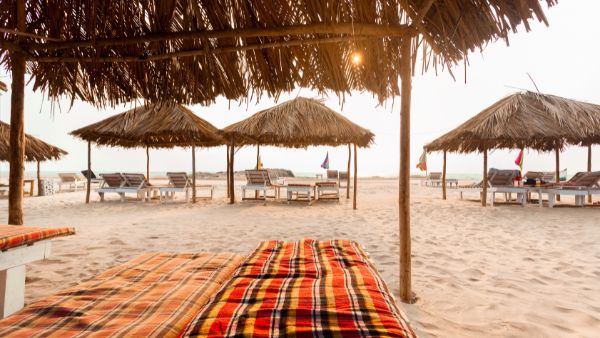
Aiming to use green technology to help tourists travel around Goa, the state government has sent a proposal to the central government to procure 500 electric buses to improve the bus transport network in coastal state. The move comes in the wake of facilitating travel of tourist and people of the state. Goa Chief Minister Pramod Sawant had recently said that to promote Monsoon tourism, hinterland tourism and explore wildlife sanctuaries of the state, paid public transport on weekends will be started. Goa government's Kadamba Transport Corporation Limited (KTCL) chairman and Navelim MLA Ulhas Tuenkar, told IANS, that the buses will be procured under FAME India (Faster Adoption and Manufacturing of Hybrid and Electric Vehicles in India) scheme. "Theses buses will be maintained by a private company and it will also provide us with a driver. We have to only recruit conductors on these buses. We will pay INR 76 per kilometer to this company for the services they offer us." Tuenkar said. Presently, KTCL has a fleet of 50 electric (air conditioned) buses and more 100 will be added into it after they are delivered towards the second order. "Our third proposal is for 500 e-buses. Once these buses are delivered to us, we will be able to expand our transport route, " Tuenkar said. "There is a request from the medical fraternity to start a bus service for them, which would take them to their workplace and bring them back home. Similarly schools also have asked for our service. Besides, many MLAs have asked to start the KTCL service in remote areas of the constituency they represent. We are working on these aspects," MLA Tuenkar said. He said that KTCL presently has 350 odd diesel buses, hence new procurement (of e-buses) will help to widen the scope of services and routes. "we have not procured new diesel buses since the last eight years and there will be no need in the future as we have the option of e-buses now." He said. Tuenkar said that apart from giving services to the people of the state, KTCL is also trying to give good facilities to tourists visiting here. This will help to promote tourism.
Read more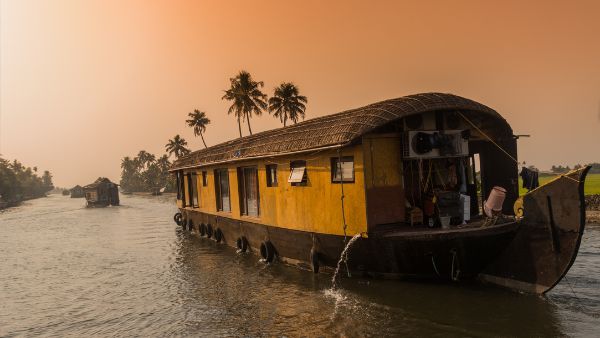
Caravans, river lodges among ideas to revive tourism in the state
- May 08,2022
- MoneyControl News
A row of brightly coloured caravans is parked across an empty dock at the Kochi port in the human-made, nearly century-old Willingdon Island in Kerala's backwaters. Equipped with beds and baths, these vehicles are the new houseboats in 'God's Own Country' where tour operators are shaping fresh ideas to cater to travel during the pandemic. "Today's travellers don't want to go to crowded places," says Riyaz U.C., owner of Spiceland Holidays which operates the new caravans in Kerala. Instead, moving by a caravan allows visitors to remain within their groups while going from one caravan park to another, thus steering clear of busy destinations bristling with people. Whether self-driven or chauffeur-driven, a caravan has its rules dictated by the choices of the traveller, and fitting into the needs of the times. Also called motor home, caravans come with a living room, pantry, two bunk beds and a bathroom spacious enough for a four-member group or family. "A caravan is a complete home-to-home travel package," says Vinay Luthra, founder of Lux Camper, an affordable caravan service eyeing the new market for safe travel in the country. A bouquet of new tourism products like caravans, work vacations, boutique stays, river lodges and even a Champions Boat League modelled on the Indian Premier League reflect the choices of the traveller in, what tourism industry professionals call, the "new normal". Taking place after a gap of four years, the biennial Kerala Travel Market (May 5-8) is attended by 1,500 buyers from 69 countries. A whopping 55,000 buyer-seller meetings have been scheduled during the four-day event, the largest travel trade meet in India. Kerala's additional chief secretary Venu V., who has led the state tourism department in various stints during the past two decades, says tour operators must equip themselves to address the “anxious traveller” who needs reassurance as life is bouncing back from a crushing Covid-19 pandemic. "Trips will become increasingly personalised and people will travel in small groups to relatively smaller destinations," he adds. The tourism industry, which is vital to jobs and growth in several states like Kerala, Goa and Rajasthan, is eager to welcome travellers back with packages vastly different from pre-pandemic offers. Kerala, which received 35 domestic tourists and two international tourists every minute in 2019, has seen its fortunes fall in the last two years. The state's much-admired public-private participation in the tourism industry, with such examples as the private sector-led Kerala Travel Mart and a hugely successful sustainable tourism, will be keenly watched by tourism boards and bodies across the country reeling from the effects of the pandemic. Though caravans are nothing new in the country, the safe and personalised mode is expected to make them a winner this time after having failed to make a footing in the past. "The caravans may not have done well before, but this time it will be different," says V.R. Krishna Teja, director, Kerala Tourism. "Most of the beautiful places in Kerala are still unexplored. There are no resorts in these places and caravan parks are the only way to help visitors experience something they haven't before," adds Teja, who is working with private caravan operators to gain quick ground for the initiative. The government has already built a caravan park in the popular Vagamon hill station near Munnar with facilities like kitchen, rest rooms and parking. Another four are scheduled to be ready by June-end. According to the state tourism department, the government has received applications from the private sector for buying 259 caravans and building 147 caravan parks. The department offers a 15 per cent subsidy for buying caravans. Battle of the Backwaters Kerala's tourism industry also knows the state's most visual attraction after Kathakali, the eye-catching snake boats in the backwaters, could put tourism revival on cruise control. The Champions Boat League is thus a government-run event to draw domestic and international visitors. "Snake boat race is a spectacular game that has social, cultural, economic and tourism value," explains Teja. Slated for November, the boat league, first held in 2019, will have nine teams competing over 12 weeks for its Rs 6-crore prize in 12 venues across the state. River lodges that provide the peace and quiet for a long stay for work or recuperation and bungalows in the middle of tea plantations in Munnar and Wayanad with tea tasting sessions are among the new products put on a traveller's platter. The Periyar River Lodge, one such river lodge developed by the One Earth Properties, is located on the banks of the state's second longest river in Thattekad, about 60 km from Kochi, and lies next to the Salim Ali Bird Sanctuary. Built on a rubber plantation, the lodge sits across a forest. "We launched the river lodge in January this year," says One Earth Properties managing director Eldho Kuruvilla. The Kochi-based Marvel Tours recently launched two new products - a granary stay and a luxury stay - to tap into the new possibilities of travel. The granary stay in sprawling properties by rubber and tea plantations and backwaters include activities like fishing, jeep safari, cycle tours and tea tasting. "The pandemic made us stop, rethink, discover and build new products," says the company's founder and CEO, Sejoe Jose. Moksha Stories, another new entrant to the tourism sector in Kerala, aims to link travellers with the community through stories built in its travel packages. "Our products are stories about artisans and craftspeople from local communities," says Moksha Stories co-founder Sreejith P., a former banker. Moksha Stories has five homestays in Kerala's Malabar region where its curated travel packages help visitors meet the "local heroes". "A toddy tapper is an important part of the local economy in Kerala, but never visible to people," he says. "No longer."
Read more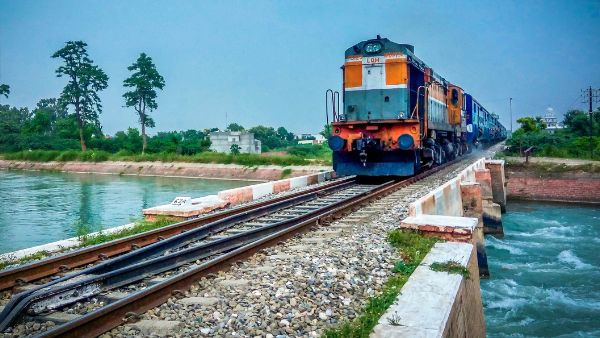
This Indian train has been offering free rides since 73 years
- May 08,2022
- Times of India
Did you ever sneak on a train without a ticket? Well, there might be many out there who have managed to pull it off, many would've thought about it. However, when talking about boarding a train without a ticket, be aware that if caught, it will attract fine and, in certain cases, imprisonment. Cut to the chase, you would be glad to know that there is one train in the country that carries passengers without charging a dime! While it might seem like a steal deal to you, it’s normal for passengers on the Bhakra Railway Train as they have been enjoying such free trips for the past 73 years. This special train runs along the borders of Punjab and Himachal Pradesh, where people use it to travel between Nangal and Bhakar. As stated, travellers don’t need to bother about booking tickets to board this train. As per the reports, the Bhakra-Nangal railway service began in 1948. The requirement of a special railway was realised during the construction of the Bhakra Nangal dam, as there was no way to travel between Nangal and Bhakar during that time. Thus, it was decided that a railway track would be built along the route to facilitate the transfer of heavy machinery as well as people. Initially, the train was powered by steam engines, which were eventually replaced by engines that were imported from America in 1953. And till date, the unique train continues to run with its 60-year-old engines. While the chairs in the train are like colonial-era wooden benches, each coach is one-of-a-kind and reportedly, were handcrafted in Karachi. The train traverses the Shivalik Hills, and arrives at the Nehla station before travelling to the Nangal Dam in Punjab. Reports suggest that the train burns around 18 to 20 litres of fuel every hour, yet the Bhakra Beas Management Board (BBMB) has opted for it to remain free of charge. Although the BBNM thought of ending the free ride due to financial issues, they eventually realised that the train represented legacy and tradition, and was much more than just a source of cash.
Read more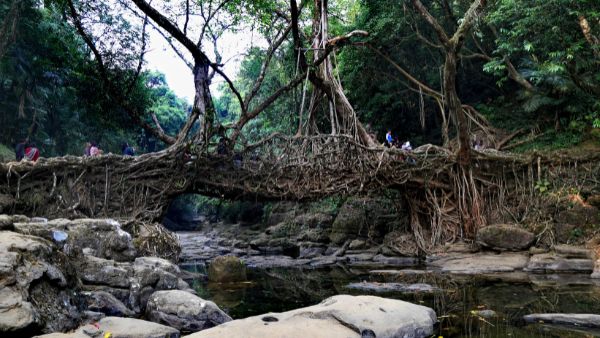
Mawlynnong Village in Meghalaya is Asia’s Cleanest Village
- May 08,2022
- India.com
Mawlynnong is located on the Indo-Bangla border in Meghalaya’s picturesque hill state. The cleanliness of this quaint and vibrant little village is well-known. Agriculture is the primary source of income for the locals. It is an age-old tradition to keep the surroundings clean. In 2003, the village was named the cleanest in Asia by Discover India magazine. The location is viewed as a respite from the hustle and bustle of daily life, where you may relax and absorb the full scope of the experience. Here is why you should include this cleanest village on your summer bucket list: Eco-Friendly Tourist Destination All residences in this hamlet have had working toilets, there are bamboo dustbins throughout the village, and even the dried leaves that fall from the trees go right into the trashcan, plastic bags are outlawed, and smoking is barred. This applies to both locals and visitors. Young children, as well as adults, engage in community hygiene and disinfection tasks. Living That Sets Apart From The Rest For a little moment, Mawlynnong will also get to enjoy the taste of fine food and great people in the company, which will undoubtedly create a setting where events take on a more celestial aspect. Mawlynnong is a completely different world, with its own set of customs, traditions, and ways of living that set it apart from the rest. It is certainly deserving of your time. Culturally and Historically Rich Destination This is a well-known tribe that is well ahead of patriarchal ideals. Children in this tribe inherit their mothers’ surnames, and property is passed down through the matrilineal lines as well. Mawlynnong’s local cuisine’s most noteworthy aspect is that it is entirely made from organically cultivated veggies. As per travel triangle reports, foodies can choose from pork tossed in bell peppers and greens, freshly-cut and smoked banana flowers, Jadoh and Tungrymbaito name a few. Host of Activities For Kids and Adults You can visit the Brun Khongmen Viewpoint in Riwai hamlet to strike the view at the village’s entrance. The Mawlynnong village and the living root bridge are both prominent tourist attractions in Meghalaya. To reach the bridge, take a 400-meter moderate stroll through the woods. Visitors can go boating on the Dawki River, which is recognised for its crystal clear waters and gorgeous hills, and natural wonders. On a sunny day, the water is so clear that you can see the boat’s shadow on the riverbed. Scenic Beauty and Serene Location The flowing roar of the Mawlynnong waterfall breaks the jungle calm. This is a wonderful spot to relax and enjoy your time with your dear ones. The Church of Epiphany, a 100-year-old edifice with old-world elegance, is a key feature of Mawlynnong Village. The surroundings are tranquil, with plenty of greenery. On the border of Meghalaya’s southern mountains, the Khasis’ fruit orchards, gushing streams, verdant settings, swinging palms, and well-preserved traditions give a jaw-dropping setting.
Read more
Africa's tourism operators need local visitors to cope with pandemic hit
- May 07,2022
- Hindustan Times
The Zambezi River meanders through the picturesque border region between Zambia and Zimbabwe. About midway along its course, the Zambezi's waters thunder 110 meters (361 feet) into the deep at Victoria Falls — a spectacular sight that draws tourists from all around the world. But the falls, one of the world's seven natural natural wonders and the most powerful waterfall in Africa, remain largely hidden from view for those living nearby. Most Zimbabweans and Zambians can't afford the park entrance fees to see Victoria Falls, and many of the views of the falls along the river are in the hands of private businesses, like bars and tourist lodges. Access remains a dream for locals Gift Kashimbaya lives in the Zambian town of Livingston, just minutes from the falls. "You have to go through some lodges," to see the best part of the Zambezi from Livingstone, she explains. "And sometimes you can go to the Zimbabwe border where you can pay a certain fee." Zambian tour operator Donald Chomba says it's problematic that locals are often shut out of accessing public sites by private businesses and tour operators. "That's the reason why our local tourism will never hit the market. I wouldn't be surprised if three-quarters of the population in Zambia have no idea what's in Victoria Falls," Chomba told DW. "For lodges to start denying access to locals or make them pay just to enter the premises, I think that is wrong." Foreign tourists preferred In Zambia's capital Lusaka, businessman Brian Sakala accuses the government of being one-sided in how it promotes tourism and its preference for foreigners. "It's very unwise for you to give incentives to foreigners and you leave your own people," Sakala said. "God has blessed us with all these things for all of us to enjoy." Encouraging local tourism Supporting the domestic market in African countries is now more important than ever, according to Hermione Nevill, a tourism expert with the International Finance Corporation (IFC), a World Bank Group partner organization. "In the past, too little was invested in domestic and regional tourism in Africa in favor of international tourists with higher expenses," Nevill told DW. The COVID-19 pandemic, with its travel restrictions, demonstrated just how much African countries relied on foreign tourists. "When the pandemic hit, many destinations realized they needed their local populations to travel, but really had no data or information about these markets," Nevill said. "This makes African destinations fundamentally less resilient than competitors with established domestic travel cultures." Creating incentives for local visitors Tourism has become vital for African economies over the past 20 years, according to the International Finance Corporation. In 2019, the industry accounted for about 7% of Africa's gross domestic product and contributed $169 billion (€160 billion) to the continent's economy. That's about as much as the combined GDP of the Ivory Coast and Kenya. In 2019, some 10 million international travelers visited Africa. This plummeted dramatically to 2.3 million in 2021 because of the pandemic. This year though, international tourism numbers across Africa are rising, said Hanneli Slabber, the head of marketing at South African Tourism. But in South Africa, the focus is on the domestic market in order to sustainably revive the industry, a plan the country adopted in 2020. "The pandemic resulted in more and more South Africans experiencing day trips, a number of them first timers, people that have never considered a trip for leisure purposes," Slabber said. "We have worked hard to make sure that people know about the different experiences, including the one's that are absolutely free." In February 2022, 1.1 million locals traveled within the country compared to 750,000 in the previous year, Slabber says. 'Khaki safari' makes way for the 'Afrofuturist' Growing domestic travel in Africa is quite complicated, however, emphasizes tourism expert Hermione Nevill. In Africa, the local travel culture is very small to start with, Nevill said, and this makes the domestic tourism sector more vulnerable when, for example, the economy is weak or the cost of living rises. South Africa was one of the first countries in the region to have a national domestic tourism strategy. An example is the travel campaign "Sho't left", which means "around the corner" in local vernacular. The campaign encourages locals to be tourists within South Africa. During its annual sale week, the tourism office offers domestic travel deals and packages, where prices are slashed by up to 50%. During other events such as South Africa's Heritage Month, locals are offered free entry to many museums and gardens. Nevill also points to the digital tourism services provider, Zulu Nomad, as one example of innovative tourism developments on the continent. Plus, she says, investments are increasingly being made in new hotels offering a nature tourism experience that is different to the traditional safaris where western tourists kitted out in the safari outfits of colonial times are driven through a game park. Another emerging market for a newer travel class, according to Nevill, is that of the younger and digitally savvy "Afrofuturist" tourists, who are already used to international travel. Concepts for local markets The domestic tourism markets of most African nations, apart from Kenya and Nigeria, are smaller than South Africa's. Still, during the pandemic, many countries on the continent tried to promote domestic and regional travel by offering discounted fares to attract local tourists, Nevill said. Rwanda, for example, is consulting with the IFC on a strategy for the development of local and regional markets but already offers staggered price categories for domestic and domestic visitors.
Read more
India gets its first fly-in resort that sends private charter for guests!
- May 07,2022
- Times of India
India gets its first luxury fly-in resort, AeroVillage, in Panheli, Maharashtra. The resort sends a private charter for all guests to fly them to the resort, and is not like the usual lavish resorts and hotels that send cars for picking up their guests. Sounds cool, right? And when you land here, you’ll be transported to a paradise-like larger-than-life resort that comes equipped with all features that you can’t even imagine. This hidden spot is situated in a secluded village, at an elevation of 1200 ft above sea level, deep inside the Sahyadri ranges. This resort also offers innumerable experiences like enjoying breakfast in a stream of water, joyrides, golf, jungle safari, and much more. In short, this place is a perfect example of what happens when luxury meets nature! You can book rooms in this resort starting at INR 11000, while the price of the villas can go up to INR 45000. Then there are jungle safaris, indoor stadiums, treks to waterfalls, gyms, golfing arenas, private cinema halls, and private pools to look forward to during your stay in this eco-resort. And when you are done with all the experiences, you can retreat to your nature-inspired wooden rooms. The interior of the rooms have been curated by keeping in mind all the minute details of the surroundings. While the Fort View Stay will offer you the spectacular views of Raigad Fort every morning, their Golf Villa overlooks the unending golf course. Plus, you can even book their Hideaway in Nature which boasts of rooms on tree-tops. As for exploring outdoors, you can visit the nearby Divegar and Shrivardhan white sand beaches, Gandharpale Buddhist Caves in Mahad, Chhatrapati Shivaji Maharaj's Raigad Fort, and much more.
Read more