Irish tourism begins long road to recovery on St Patrick's Day

Ireland celebrated St Patrick's Day with packed parades through its towns and cities for the first time in three years on Thursday, celebrations its battered tourism sector hopes will begin a long road to recovery. The national holiday traditionally kicked off the tourism season before Covid19 cut the number of arrivals in Ireland below 5 million in both 2020 and 2021 from the record 20 million in 2019, four times the country's population. For Cathal O'Connell, whose green Paddywagon coaches bus visitors from around the world to tourist spots like the Cliffs of Moher, Giant's Causeway and Blarney Stone, winning back 40 per cent to 50 per cent of his pre-pandemic customers this year "would be a win". "From what I'm getting bookings wise, and my business would be a good barometer, that's what it looks like," said O'Connell, who unlike many hospitality operators could not fall back on a booming staycation market over the past two summers. "Had it gone on another year, we would have gone under and we were probably one of the most successful tourist companies in the country. We'll make a heavy loss this year. If we can get back to break-even in the next three years, we'll be doing well," he added. O'Connell said that he was essentially "asset stripping" to get back to profit, had started to sell some of his 70 buses and had so far shut three of Paddywagon's seven tourist shops. Having employed 188 people in 2019, it now has a staff of 35.

Read more

Holi in Shantiniketan is a homage to spring

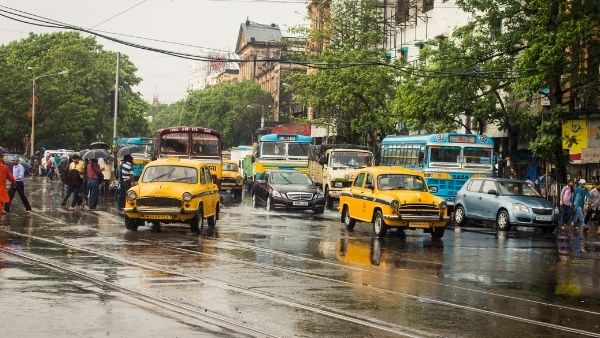
Holi in West Bengal is known as Dol Jatra, or simply Dol. But that is not the end of it. If you visit Shantiniketan, just under 4 hours away by road, you will see the festival in a whole new avatar. Here in Shantiniketan, it is known as Basanta Utsab, or the festival of spring. Started by Nobel Laureate Rabindranath Tagore, the festival is a tribute to nature, and springtime. Basanta Utsab can be experienced in its most authentic form at the Visva-Bharati University here in Shantiniketan. The university’s name points to the communion of the world with India, a novel philosophy coined by Rabindranath Tagore, who is also its founder. The ideology of the university still sets it apart from every other institution. Here classes are held under the shades of giant trees, and the values taught are aligned with the visionary ideas of Rabindranath Tagore. Naturally, the festival of Holi took a whole new shape here, with nature as the centrepiece. In Shantiniketan, locals and students wear colourful clothes, mostly yellow, on the day of Holi. There are cultural programmes, and functions held both inside the Visva-Bharati campus, and outside it. Celebrations begin with a long procession of music and dance, which is then followed by the music of Tagore. The day then leads to people greeting each other with dry colours, which are known as abeer. The festival is really an important part of Bengali culture, and consequently showcases the diversity of the country. This is one of the best times to visit Shantiniketan, as one can truly grasp the culture of this place, and its many facets. Many foreigners visit here during Basanta Utsab, and there is a heady feeling that one gets amidst all the singing, dancing, and colours.

Read more

What are the covid entry rules for travelers to European countries?

Anyone traveling to Europe must expect restrictions. But some countries are making it easier to enter — despite ongoing high infection numbers. DW Travel has compiled this overview of EU rules. Tourism in Europe has been picking up — albeit under somewhat strict rules in certain cases. Since the omicron variant predominantly causes moderate symptoms, some countries are relaxing their restrictions. Others are keeping them in place due to high infection rates. Here is an overview of the latest rules for traveling in and around Europe. The European Union An overview of EU travel measures, including information on the EU Digital covid Certificate, is available via the European Commission website. Detailed information regarding quarantine rules, testing requirements and more in the EU's 27 member states — along with non-EU Schengen countries Switzerland, Liechtenstein, Norway and Iceland — can be accessed through the Reopen EU platform. You can also download the Reopen EU smartphone app for up-to-date information on the go. Please note that every member state maintains its own rules for granting entry to third country travelers already within the EU or Schengen zone. Member states may require a negative covid test upon arrival, or mandate a quarantine period after entry. In addition, some EU countries have implemented social distancing rules, curfews and mask-wearing mandates. The European Union Covid Traffic Light System The EU has introduced a traffic light system for a better overview of the epidemiological situation in individual member states. Three colors — red, orange and green — denote high-, medium- and low-risk areas in the bloc. Grey regions signify areas where insufficient data is available. Please note: The information listed here is not exhaustive. It serves as a reference and is subject to change at any time. All travelers to and within Europe, the EU and the Schengen Area are strongly advised to consult the official guidance and regulations of local, state and national authorities in the relevant countries.

Read more

Covid-19: UK ends restrictions on international travel

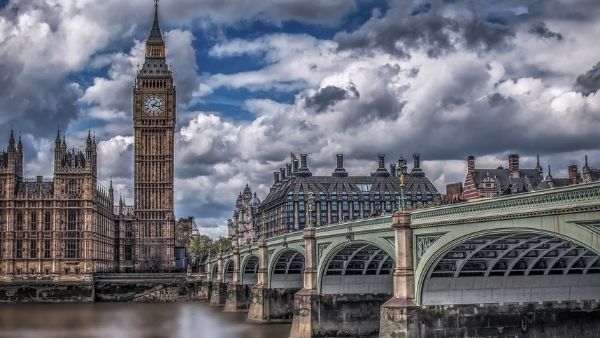
All remaining COVID-19 pandemic related international travel restrictions, including filling in Passenger Locator Forms before arrival and compulsory pre-departure tests for unvaccinated travellers, have been scrapped from Friday, the UK government has announced. The change, which had been announced by the Department for Transport (DfT) earlier, came into effect at 4 am GMT (9:30 IST). The government has said that it will keep a range of “contingency measures in reserve”, which would enable “swift and proportionate” action to delay any future harmful variants of COVID-19 entering the country. “Everything we have worked for, every jab, every test, and the sacrifices made by the whole country means that finally, nearly two years on, we can all travel without bureaucratic restrictions,” said UK Aviation Minister Robert Courts. According to officials, the default approach in future will be to use the “least stringent measures”, if appropriate, to minimise the impact on travel as far as possible, with contingency measures only being implemented in extreme circumstances. All remaining compulsory hotel quarantine capacity in place will also be fully released from the end of March. Until now, only vaccinated travellers were exempt from PCR tests, with those unvaccinated required to take a pre-departure test and another test two days after arrival into the UK. “I said we wouldn’t keep travel measures in place for any longer than necessary, which we’re delivering on today – providing more welcome news and greater freedom for travellers ahead of the Easter holidays. I look forward to continuing to work with the travel sector and partners around the world to keep international travel moving,” said UK Transport Secretary Grant Shapps, when he made the announcement earlier this week. The Easter break in April is a popular holiday period in the UK and the changes have been timed to help families make travel plans without the need for additional requirements. It comes as COVID infections in the UK are on the rise but the government says the success of its vaccine rollout programme made it possible to lift all restrictions. “We will continue monitoring and tracking potential new variants and keep a reserve of measures that can be rapidly deployed if needed to keep us safe. We can remove these final restrictions thanks to the incredible success of our vaccination programme, which has seen more than eight out of 10 adults across the UK boosted,” said UK Health Secretary Sajid Javid. The UK’s travel industry has widely welcomed the changes as much needed support for the struggling industry. “The time to return to the skies – to enjoy all that makes aviation and international travel great, for families and businesses – is now,” said Tim Alderslade, Chief Executive of Airlines UK.

Read more

Germany to lift most Covid restrictions

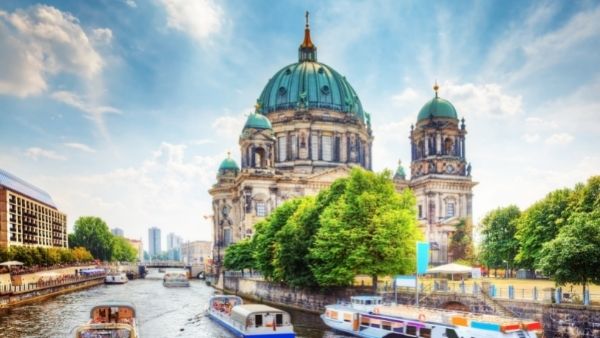
Germany will lift most restrictions to contain the coronavirus despite infections hitting a record in the country on Thursday. Chancellor Olaf Scholz said after talks with leaders of Germany's 16 states that a record of almost 300,000 infections in one day was not good news, but the easing of restrictions was justified given intensive care units were not overwhelemed. As of March 20, requirements to wear a mask will be dropped in indoor places like schools and at supermarkets but will remain mandatory in medical clinics and care homes. Germany's 16 states will have the power to impose restrictions if they identify hotspots where both infections and hospitalisations peak. The German parliament has been debating a vaccine mandate but it could take weeks before any vote on the divisive measure.

Read more

Myanmar to resume international flights in April

Myanmar’s military government on Friday lifted the ban on foreign visitors from April 17 by allowing international passenger flights to operate as normal after suspension for over two years. The Central Committee on Covid-19 controlled by military chief Min Aung Hlaing lifted all directives to prevent importation of coronavirus to the Southeast Asian country through air travel which became in effect from March 29, 2020. The junta cited “significant drop in new Covid cases and deaths” and said the lifting aimed to develop tourism sector and facilitate easy entry for foreigners. The order came after the Ministry of Industry announced the success of Myancopharm, a locally-produced Covid vaccine, in cooperation with China National Pharmaceutical Group that manufactured the WHO-approved Sinopharm vaccine. The ministry plans to distribute 10 million vaccine doses in 2022-23 fiscal year starting April and will start distributions from early next month. On top of a spiraling economy driven by clashes with ethnic armed groups, foreign investors cutting ties and international sanctions imposed after 2021 February coup, Myanmar has reported 608,384 Covid cases and 19,420 deaths so far. The World Bank expected in its latest report that Myanmar’s Covid transmission could be higher in some rural areas, particularly near the border with India.

Read more