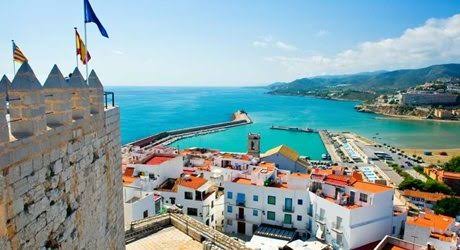
Spain tagged as the safest EU destination by ECDC

The European Centre for Disease Prevention and Control (ECDC) has declared Spain to be the safest of all EU destination, taking the COVID-19 pandemic into account. ECDC has come up with figures, which cite most of the regions in Spain as safe. It also means that all such regions have less than 50 infected cases per 100,000 inhabitants over the last weeks. It also refers to the fact that the positivity rate in these regions is not more than 4%. Currently , these regions have been tagged as Green in Spain: Galicia Asturias Cantabria Basque Country La Rioja Castile and Leon Extremadura Andalusia A number of other regions in Spain are tagged as Orange for now, but are considered safe to travel as the number of infections are very low. Reportedly, Spain has done a great job and containing COVID-19 infections with strict travel regulations and in-country safety measures. While Spain is encouraging travellers, both domestic as well as international, it is recommended that one takes all the neccessary precauations and check regulations for their country specifically.The nation also has a list that mentions high-risk EU countries and regions; some of the names in Spain's list are Germany, Austria, Belgium, Greece, Cyprus, Croatia, Slovenia, Estonia, Finland, Ireland, Iceland, Lithuania, Luxembourg, the Netherlands, and Denmark.

Read more

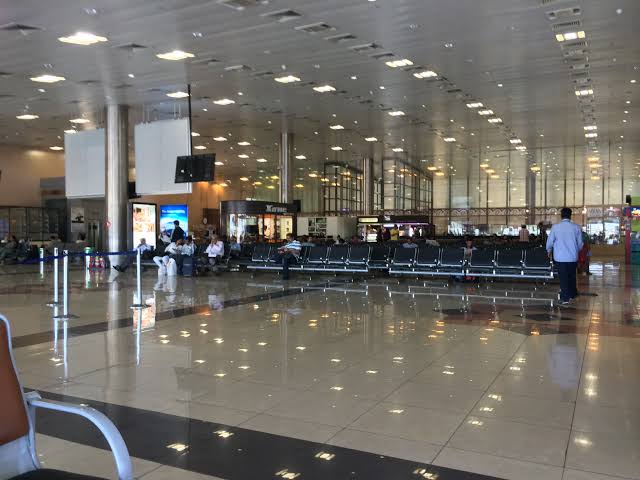
Pune Airport has reopened for passenger flights after remaining closed for 14 days

The Pune Airport is finally open for operations after remaining closed for 14 days. Passengers who are wishing to travel to Pune, can now take a direct flight to the city. These last 14 days, passengers going to Pune either had to fly to Mumbai, or take a train to Pune. The airport was closed from October 16 to October 29, and all scheduled flights during this period of time was suspended. Military Engineering Services (MES) said in a statement that MES has completed the resurfacing of the runway at the airport in 14 days times. Such work usually takes around 28-35 days. The Pune airport's official Twitter account tweeted saying, “This is to inform all passengers that as per information received from the Indian Air Force (IAF) due to runway surfacing works, all flights from Pune Airport will not operate for 14 days from October 16 to October 29, 2021.” The runway's resurfacing work was supposed to take place from April-May 2021, however it was postponed until Ocotober. The airport is now open for all scheduled flights, and you can book your tickets to the city. The Pune airport is being operated out of the Indian Air Force station in Lohegaon, and the city is now preparing to inaugurate a new international airport in Purandar.

Read more

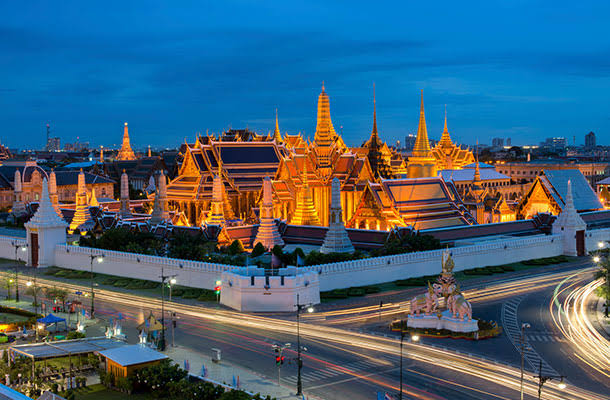
Thailand, Australia, Israel ease travel curbs, lockdowns bite elsewhere

Hundreds of vaccinated foreign tourists arrived in the Thai capital for quarantine-free travel after the Southeast Asian nation approved visitors from more than 60 countries. Thailand, Australia and Israel eased international border restrictions significantly on Monday for the first time in 18 months, offering a broad test of demand for travel worldwide amid the coronavirus pandemic. The relaxation contrasts with tightening lockdowns elsewhere, notably in eastern Europe where infections have hit record numbers, and in parts of China, which has taken a zero-tolerance approach to the pandemic despite relatively few cases. Hundreds of vaccinated foreign tourists arrived in the Thai capital for quarantine-free travel after the Southeast Asian nation approved visitors from more than 60 countries, including China and the United States. Several European nations are also on the list as Thailand, one of Asia’s most popular destinations, looks to capitalise on northern hemisphere visitors keen to escape the winter blues. Those hopes appeared to pay off early, with German tourist Simon Raithel and a group of friends among the first to arrive. “Right now, in Europe, it’s quite cold,” said Raithel, 41, who planned to head to islands in the Thai south. “We just picked this flight and it is quite surprising that we are the first flight to arrive.” In Sydney, hundreds of citizens were greeted by family and friends as they became the first to arrive from abroad without a permit or the need to quarantine since April 2020. “(It’s a) little bit scary and exciting,” said Ethan Carter, who flew in from Los Angeles. “I’ve come home to see my mum ’cause she’s not well.” While travel is initially limited to just a few states and to Australian citizens, permanent residents and their immediate families and New Zealand nationals, it heralds a plan to re-open to international tourists and workers, both much needed to reinvigorate a fatigued nation. Australia’s announcement of quarantine-free travel for Singapore citizens from November 21 was a step forward to “a new normal”, said Philip Goh, the Asia-Pacific vice president of airline trade body IATA. “We are excited by this positive development and we look forward to further easing of border restrictions by Australia and other countries in the region,” Goh said. ‘We missed you guys’ Israel also relaxed travel rules on Monday but tourists should read the fine print before booking. “Welcome to Israel,” the government said in a tweet next to a big blue heart. “We missed you guys.” Individual tourists are allowed in if they have received COVID-19 vaccine boosters – but not if more than six months have lapsed since their last dose, with some exceptions. That has tempered excitement among hoteliers. “How many tourists out in the world have actually gotten boosters or are sitting in that six-month period following their second dose?” Israel Hotel Association CEO Yael Danieli said in the days leading up to the relaxation. “Even if both parents in a family are vaccinated, their children under 12 are not, so they mostly can’t come to Israel.” Members of tour groups are exempted from the six-month rule but will have to take PCR or antigen tests every 72 hours for the first two weeks of their stay. Despite the eased curbs, world travel in full swing is a long way off. China’s tourism sector is suffering from the country’s zero tolerance for COVID-19 as cities with infections, or even with concerns about infections, close entertainment venues, restrict travel or delay cultural events. Shanghai Disneyland stopped admitting visitors on Monday. The Russian capital brought in its strictest lockdown measures in more than a year on Thursday as nationwide one-day pandemic deaths and infections hit new highs. The Ukrainian capital of Kyiv has tightened restrictions due to a spike in infections. Eastern Europe as a whole is grappling with its worst outbreak since the pandemic started. Britain on Monday removed the last seven countries on its coronavirus “red list”, which required newly arrived travellers to spend 10 days in hotel quarantine. The United States will lift international travel restrictions for fully vaccinated travellers on November 8.

Read more

Australia approves India-made Covaxin for travel

In major news, the Australian government has decided to approve India-made Covaxin for travel purposes. The government, on Monday, recognised Bharat Biotech's Covaxin vaccine and added it to its travellers' vaccination status. Australia's High Commissioner to India Barry O'Farrell took to Twitter and announced, "Today, the Therapeutic Goods Administration determined that Covaxin (manufactured by BharatBiotech) vaccine would be 'recognised' for the purpose of establishing a traveller's vaccination status." He further wrote, "Importantly, recognition of Covaxin, along with the previously announced recognition of Covishield (manufactured by AstraZeneca India), means many citizens, as well as other countries, will now be considered fully vaccinated on entry to Australia." A statement released by Australia's Department of Health informed that the Therapeutic Goods Administration (TGA) has got additional information demonstrating these vaccines and that it provides protection and also potentially reduces the likelihood that an incoming traveller would transmit COVID-19 virus to others. This means that many Indians (including students and workers) who had taken shots of Covaxin would be able to travel to Australia. It’s a huge move for India as the World Health Organisation (WHO) has still not approved the vaccine. The health agency tweeted that they have “decided that additional clarifications from the manufacturer (Bharat Biotech) are needed to conduct a final EUL risk-benefit assessment for global use of the Covaxin vaccine".

Read more

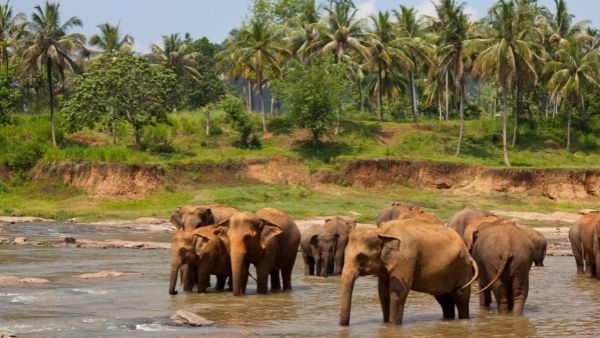
COVID-19: Sri Lanka ends domestic travel restrictions amidst warnings

Sri Lanka's inter-provincial travel ban, which was imposed in May due to the raging third wave of the COVID-19 pandemic, ended on Sunday despite warnings from medical professionals. The travel ban was continued despite the government ending the quarantine curfew on October 1, which was continuously in force from August 20. Public Transport Minister Dilum Amunugama said that transport services would come into operation from Monday. The lifting of the travel ban came as the Sri Lanka Medical Association (SLMA) warned of a possible new wave with restrictions being relaxed. In a letter to President Gotabaya Rajapaksa, the SLMA said it was more important than ever before the precise steps are taken at this point of time. It recommended close monitoring as health guidelines are not being implemented and the general public keeps disregarding them. They recommend a third dose or a NSE -0.38 % vaccine booster to priority groups such as the elderly and the frontline health workers. The SLMA cited recent studies which have shown that seven per cent of the elderly population, who had been administered with the Chinese Sinopharm vaccine, have not developed adequate level of immunity against the virus. With the public movement increasing, the SLMA said that the risk of elderly people getting the virus has increased and they are more prone than other groups to severe conditions and death. The health ministry's epidemiology unit said that as of Saturday, over 15.4 million of the island's 21 million population had received at least one dose. Also, 13.4 million had received both jabs. Sri Lanka's death toll since the outbreak in March 2020 stood at near 13,800 with over 540,000 infections.

Read more

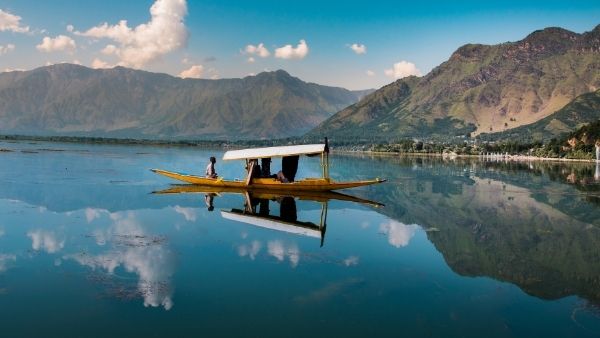
Kashmir's Dal Lake gets an open-air floating theatre

Jammu and Kashmir’s famous Dal Lake is now home to the first ever open-air floating theatre. The incredible new addition was made at the end of the week-long Iconic week celebrations. The open-air floating theatre was inaugurated by Arun Kumar Mehta, Chief Secretary, Jammu and Kashmir.The inauguration saw a Shikhara rally, with local artists singing and dancing to Kashmiri songs. The theatre is the latest tourist attraction here in Jammu and Kashmir, and to be located on Dal Lake is an added advantage. Dal Lake is certainly one of the most picturesque places in the valley, and is bound to attract visitors. During the closing ceremony, Bollywood film, Kashmir ki Kali was shown to residents and tourists here at the theatre. Kashmir ki Kali was released in 1964, starring Sharmila Tagore, and Shammi Kapoor. Sarmad Hafeez, Secretary, Tourism and Culture, said, "We have a great demand for evening activities. The concept of open-air is pretty unique, not found anywhere in this world. It will greatly advantage the tourism in Kashmir. Shikara, houseboat owners, the hotel industry is welcoming tourists with open hands. J-K is safest from the Covid-19 point of view since the entire tourist industry is vaccinated. Various capacity-building programmes were done on Covid protocols by the industry. Since winter is coming soon, hope people from the country and world will visit J-K," This is a great opportunity for locals who are employed in the tourism industry, as more tourists would mean more income. The tourism department’s latest attraction has been very well received by all, and such events always help the growth of tourism.

Read more