FICCI, OYO co-create Online Certification Course for the Hospitality Industry
- Aug 07,2020
- BW Hotelier
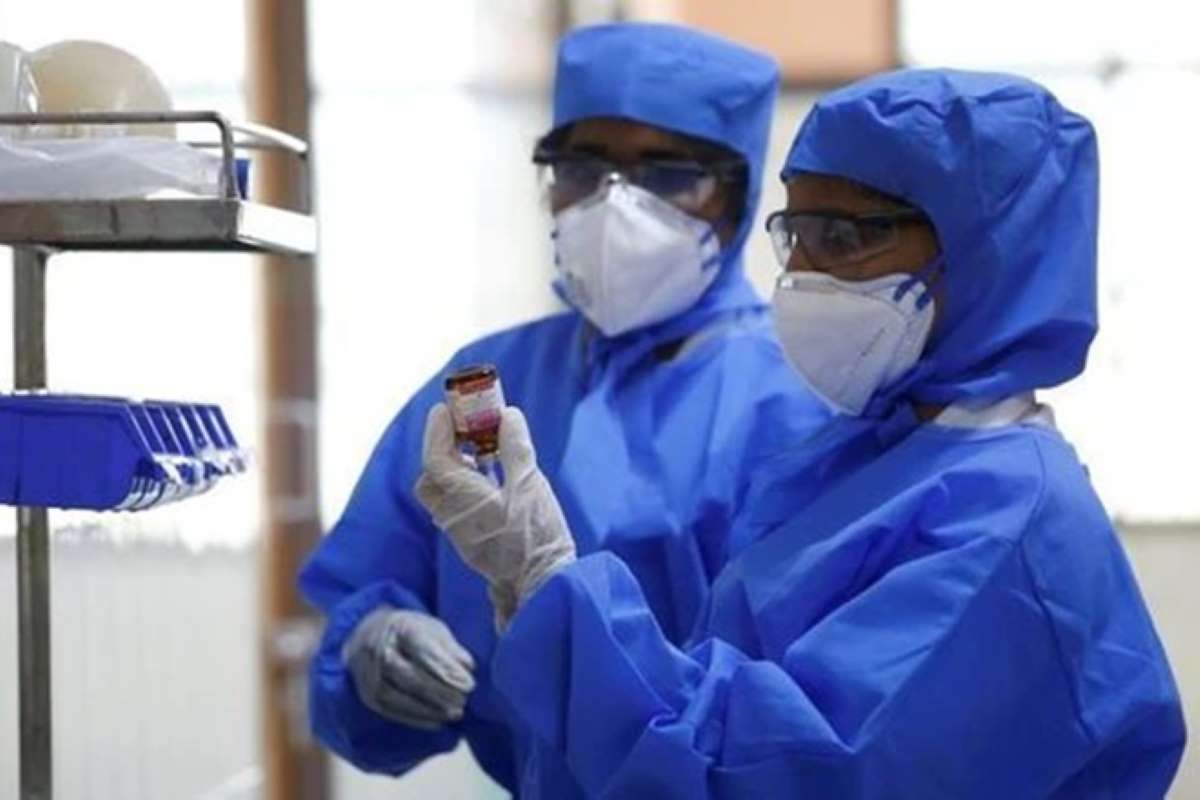
The impact of the COVID-19 pandemic on the hospitality industry has changed the way hotel businesses function and manage their operations. The Federation of Indian Chambers of Commerce & Industry (FICCI) and OYO, one of the world’s leading chain of hotels and homes, have come together to develop and design an online training and certification course specifically for the hospitality industry. The course will focus on redesigning the sanitisation protocols and minimising person-to-person contact for a hotel in line with the Standard Operating Procedures announced by the Ministry Of Tourism, Government of India. The certification course will help thousands of individual budget, mid-segment, boutique hotels and homestays in India as well as hospitality professionals, to maintain and improve their safety and hygiene standards in line with government and industry benchmarks and best practices. This course is available in Hindi and English. The certification course will have a set of nine training modules built to help hotels and hospitality professionals implement key safety guidelines. These modules include hotel, staff, guest, front-office, F & B service, housekeeping, guest room cleaning and food production advisories. This will also include an advisory on how to handle suspected COVID or COVID-positive guests. Sharing his thoughts on the initiative, Prahlad Singh Patel, Minister of State (I/C) for Tourism & Culture, Govt of India said, “We welcome the initiative of FICCI & OYO to harness technology to develop a certification course that can provide guidance to small and medium hotel enterprises as well as professionals in maintaining high standards of hygiene, sanitation and operational effectiveness. India has immense tourism potential and any initiative that can help ensure our guests feel comfortable and confident in their travel journeys across the country will go a long way in contributing to the twin visions of Dekho Apna Desh and Incredible India.” FICCI will enable and support the implementation of Information Technology (IT) infrastructure and the online delivery platform for the online certification course. The Federation will also create awareness on the program in the hospitality industry and provide certification on course completion. OYO has developed and designed the course materials for the program. The partnership is envisaged to create an avenue for hotels and hospitality professionals to meet the challenges of operating a hotel in the present circumstances and also provide relevant solutions to address the same. Upon course completion and after due evaluation, successful candidates will receive a Certificate of Compliance by FICCI that will help them implement key safety guidelines, boost customer confidence and help in demand creation as travel resumes in a post-Covid world. The course will also open up avenues for candidates to build a strong career in the hospitality industry. Commenting on the development, Dilip Chenoy, Secretary General FICCI said, “The hospitality industry in India has both thousands of unorganised and organised players who are vital contributors to both economic opportunities as well as local tourism. COVID-19 has forced changes in operating procedures for all kinds of businesses across the globe and the hospitality industry is no exception to it, hence any support to this large set of professionals and hotels will not only help them navigate the uncertainties better but also drive business and revitalise the tourism potential. This course has been designed to help develop a uniform set of self-regulating guidelines and create supporting mechanisms and frameworks for our industry so that they can benefit from systematic guidelines and sanitation protocols in the post-Covid world.” FICCI and OYO are committed to strengthening the support mechanisms in the hospitality industry, promote and participate in the government’s efforts for attracting domestic and foreign tourists and contribute to the future of hospitality in the country. Reflecting on the announcement, Ritesh Agarwal, Founder & Group CEO, OYO Hotels & Homes said, “We have spent considerable time and effort in understanding the requirements of customers and hotels in a post-Covid world. The certification course will enable hospitality professionals and hotels across the country to determine new ways of working, fully understand local and central governments’ guidelines, align with best practices and reimagine operations in a manner that helps both customers and employees feel safe, secure and comfortable. As a global hospitality chain, we are committed to driving best practices across the hospitality industry, sharing our learnings and co-creating a successful future of hospitality in India and beyond. Our collaboration with FICCI is a step in that direction and we are thankful for their support.” Reiterating its strong commitment to providing a safe and pleasant hospitality experience to its guests, OYO has recently launched its ‘Sanitised Stays’ initiative. This course with FICCI is yet another step in the direction of building a holistic framework to address the post-Covid requirements
Read more
Mauritius has stamped out coronavirus. Now, it needs tourists
- Aug 07,2020
- The Print
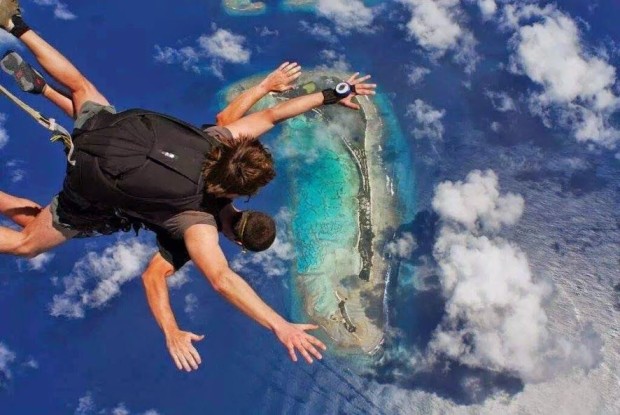
Johannesburg/Port Louis: Mauritius was the first African country to get the coronavirus under control. Now its challenge is how to let the tourists that are its economic lifeblood back in. The Indian Ocean island’s success in quelling the outbreak is unique in Africa and comes as the disease is spreading across the continent, with countries from Kenya to South Africa battling a surge in cases since movement restrictions were eased. Mauritius is one of the few places in the world that hasn’t had a locally transmitted infection in over three months. It recorded its last Covid-19 death on April 27 and has managed to keep the total number of confirmed cases to just 344. But in a country that relies heavily on tourism, the government is under increasing pressure to reopen its airport and rescue an industry that employs almost a fifth of its workforce. It’s not without risk: The Bahamas saw infections jump after opening up to travelers in July. “We need an opening date so that the entire industry can work toward the target,” said Paul Jones, chief executive officer of The Lux Collective, which owns six high-end resorts and hotels in the country. Strong measures The success of Mauritius, which has a population of 1.3 million, stems from the same factors that helped South Korea overcome its first outbreak: a strong central government, a well-funded health system and a containment strategy with widespread testing, contact tracing and quarantine measures. The government was among the first to require quarantine for travelers from China in January and one of few worldwide for front-line medical workers who’d been in contact with positive cases upon completion of their shifts. “The government of Mauritius did a very good job,” said Laurent Musango, the World Health Organization’s country representative. Mauritius closed its harbor and airport as soon as it confirmed the first three infections on March 18 and deployed police and the army to enforce a complete lockdown a week later. The government set clear guidelines as to what people were permitted to do — even restricting grocery shopping to specific days depending on people’s surnames once supermarkets were allowed to reopen. The well-publicized deaths of both the first patient and the doctor who diagnosed him scared many into following precautionary measures, said Ramanand Jeeneea, a doctor and chief executive officer of Medicin.mu, an online platform that enables people to contact medical practitioners via WhatsApp. “People complained a lot, especially those who found themselves stranded abroad when the borders closed without advance notice,” Jeeneea said. “But once the government set up a high-level virus committee, we all saw the results of its focused efforts. Mauritius handled it better than the U.K., where different experts are shouting about how to do it.” Under control By May, the outbreak was under control. The country has had just 10 deaths and a handful of so-called imported cases added between May and July after returning Mauritian nationals tested positive upon arrival. More than 215,000 people have been tested, the most per capita in Africa. At the same time, the economy is likely to shrink by a record 13% this year as tourism has collapsed and the national carrier, Air Mauritius, was placed under voluntary administration. Before the pandemic struck, as many as 1.4 million tourists per year descended on the country’s pristine beaches, accounting for 10% of gross domestic product. A monthly 600 million-rupee ($15.1 million) wage-assistance program has softened the blow for hospitality workers, but Mauritius can’t survive without tourists, and the government is holding daily consultations to decide when to reopen and to whom. That decision is likely to be made once the airport has been fitted with a laboratory to test visitors upon arrival. Among the options under review are the classification of tourists according to the length of their stay. Travelers who come for a week could be restricted to staying inside their resort and those who stay more than a month may be subjected to quarantine.
Read more
Textile circuit in Madhya Pradesh to push tourism, empower weavers
- Aug 06,2020
- Times of India
BHOPAL: The Madhya Pradesh government will set up a textile tourism circuit in the state. Chanderi, Maheshwar, Sarangpur and Bagh have been selected in the first phase for the purpose. The places are famous for fabrics and print and also get tourists for their palaces, temples and archeological sites. The government is also planning to set up textile parks in these places where tourists can buy directly from weavers. It would reduce the price of products to around 40% since there will be no middlemen involved in the process. The buyers would also be offered options to customise their dress material designs. The initiative is undertaken by the MP Handicraft and Handloom Development Corporation. Officials said that Chanderi and Maheshwar are fast emerging as tourist destinations in the country. Films such as ‘Ashoka’ and ‘Padman’ were shot in Maheshwar while ‘Stree’ and ‘Sui Dhaga’ had scenes from Chanderi. These places are also witnessing film shootings from the South as well as television serials. Both the places also have hotels run by MP tourism department. Officials said Sarangpur is chosen for its strategic location. It is right on the AB Road. Weavers would get a good market since there is already a great rush of people. Bagh print is also famous all over the world and there are ancient caves at Bagh in Dhar district that are also a major tourist attraction. State handicrafts and handlooms commissioner Rajeev Sharma said, “The initiative is to promote MP’s handlooms and to attract more tourists in these places. The corporation would also come up with a museum to display weavers’ artwork in these places and open Mrignayanee stores”. Officials said the tourist guides in these places would include the textile parks in the list of places visitors would be taken.
Read more
Rajasthan government to bring new tourism policy - CM Ashok Gehlot
- Aug 06,2020
- India Today
Rajasthan Chief Minister Ashok Gehlot has announced that the desert state will have a new tourism policy in a bid to revive tourism in the desert state. Tourism in Rajasthan has suffered due to coronavirus pandemic. Several business activities connected with tourism in the desert state has suffered because of lack of tourism due to coronavirus pandemic. "Fairs and festivals are our cultural heritage; we need to give them new look and introduce new things so that more and more domestic and foreign tourists can be attracted. Rebranding of our fairs and festivals including Pushkar Fair, Desert Festival, Kumbhalgarh and Bundi Festival should be done. With introducing new thinking, activities should be included to attract tourists.", Rajasthan Chief Minister Ashok Gehlot mentioned. Gehlot mentioned that Rajasthan has a large number of religious sites that are ancient and are important from the archaeological point of view. Tourism has been one of the major sources of revenue for Rajasthan in the past which helped in generating employment but due to coronavirus pandemic, this sector has been bearing the brunt. Lack of tourism has adversely affected scores of ancillary businesses and professions linked with tourism in the state. The Gehlot led Government believes that the new policy will help revive the tourism sector in the state on which lakhs of livelihoods have been dependent in the past. Govind Singh Dotasara, Minister of State for Tourism, mentioned that "The draft of new tourism policy is ready and will be finalised by the end of this month"
Read more
Tourists arriving in Goa to compulsorily undergo 14-day quarantine
- Aug 06,2020
- Times Now
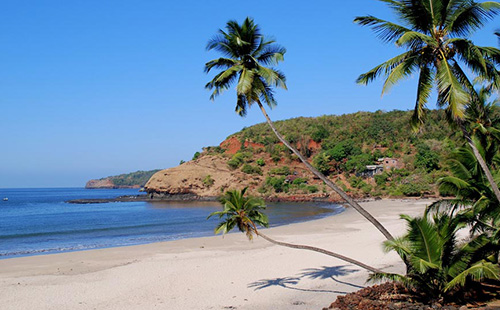
The AAI has made it mandatory that anyone who arrives in Goa will have to undergo 14-day home quarantine, though they can also opt for paid institutional quarantine for the same period. The Airport Authority of India (AAI) on Wednesday issued guidelines for people travelling to and from the state of Goa amid a continuing surge in Covid-19 cases in the state. The AAI has made it mandatory that anyone who arrives in Goa will have to undergo 14-day home quarantine, though they can also opt for paid institutional quarantine for the same period. “All passengers shall be required to go for 14 days of home quarantine or can opt for paid Institutional quarantine of 14 days,” the AAI said in its guidelines. It stated that exemption will be granted in case a “passenger is able to produce a Covid-19 negative certificate issued by ICMR-recognized laboratories, not older than 48 hours prior to the arrival in Goa”. “Pre-booking of accommodation (hotels registered with the Department of Tourism) is mandatory. Proof of pre-booking for the entire duration of stay will be checked at the entry points. All tourists will have to undergo basic screening at the entry point. Any tourist exhibiting sickness or Covid-19 related symptoms upon arrival will be subjected to a Covid-19 test at designated testing centers/hospitals at the tourist's cost,” the AAI directive said. Furthermore, in case a passenger does not possess a valid Covid-19 negative certificate, she/he will be required to undergo testing for Covid-19 at designated testing centers/hospitals. “Thereafter, they will have to go into self-isolation till the results are received. The isolation facilities will be provided by the accommodation units themselves, where the tourist made a pre-booking. Once results are received, only and if found Covid-19 negative, the tourist shall be allowed to travel outside the isolation facility,” the guidelines said. But, in case a passenger is found Covid positive, the AAI directive said, “…the accommodation unit will act as per the extant protocol issued by the state health department. All costs for Covid-19 test including the stay at the isolation /quarantine facilities shall be borne by the tourists themselves”. “Passengers are expected to certify the status of their health through the Aarogya Setu mobile app or a self-declaration form,” it read.
Read more
New Airport, Swanky Station - Ayodhya Has Blueprint Ready For Big Upgrade
- Aug 05,2020
- NDTV
New Delhi: The groundbreaking ceremony for the proposed Ram temple at the Ram Janambhoomi site in Ayodhya will take place today amid hopes of a better future following massive upgrade plans that involve a brand new airport and a glitzy railway station. The Uttar Pradesh government has announced a number of development and beautification projects in the temple town, with a budget of more than Rs 500 crore. There are plans to promote Ayodhya as a big religious tourism destination. The government is expecting huge footfall by 2024, when the long-awaited Ram temple is expected to be completed. The advance planning includes not only a new airport and railway station, but also an upgrade of the nearby highway and local tourist spots. As of now, Ayodhya has an airstrip for the use of VIPs. But the government has announced that it will be converted into an airport. Not much has happened since the announcement made two years ago. The government is still in the process of land acquisition. The national highway upgrade has a budget of Rs 250 crore. The water supply project will also be upgraded which has a budget of Rs 54 crore. Rs 7 crore has been earmarked for the bus station and an equal amount for the police barracks. Rs 16 crore has been set aside for the modernisation of the Tulsi Smarak. The local Rajshri Dasrath Medical College will also be upgraded, for which 134 crore has been allotted. Despite dominating politics in north India for decades, Ayodhya had been a sleepy little town, where the young people demanded development. "We have moved on from mandir-masjid," students at the Saket College, Ayodhya's most prestigious educational institution, had said ahead of the 2017 state elections. "Where are the jobs, the factories," they asked, claiming that the BJP's development mantra has passed Ayodhya by. According to government figures, between 2003 and 2012, the number of industrial units in Ayodhya-Faizabad area went up by just 50 -- from 377 to 426. In November 2018, Chief Minister Yogi Adityanath had announced grand plans for an airport and a medical college. There were plans to build a Ramayan circuit by the river Saryu that passes through the town.
Read more