COVID: UK closes all travel corridors from today

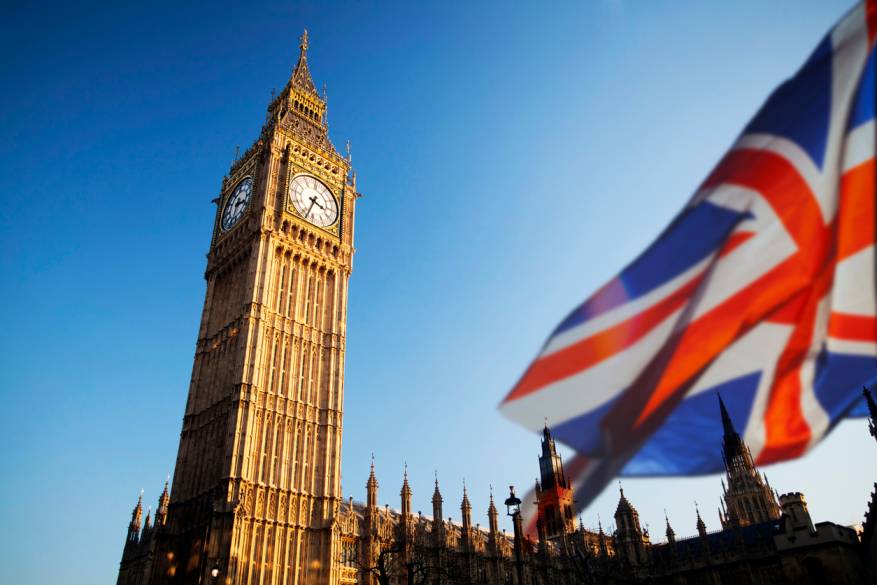
The United Kingdom is all set to close all travel corridors from today. UK Prime Minister Boris Jhonson announced that the country is temporarily closing all travel corridors in a move to protect against the risk of new variants of COVID in the country. The Prime Minister added that anyone intending to enter the country from overseas, will have to provide a negative COVID-19 test result. The new rule came into effect at 0400 (GMT) on Monday. This also means that all those entering the country must have a proof of a negative Coronavirus test that has been taken not less than 72 hours before leaving, and transfer into isolation immediately upon arrival. As per the reports, everyone entering the country will have to undergo a quarantine for 10 days. He also added that those found not complying with the rules will have to face a fine. Elaborating the rules, he made it clear, "You may also be checked when you land and face substantial fines for refusing to comply, and upon arrival, you must then quarantine for 10 days, not leaving your home for any reason at all. Or take another test on day five and wait for proof of another negative result and we will be stepping up our enforcement, both at the border and in the country." As per the UK Department of Transport, the international travel corridors have been in place since July 2020. As of now, the corridors will remain suspended temporarily. The Transport Department, however, added that the new measures will be reviewed on February 15. Also, strict restrictions that were imposed in England on January 6 will remain in place, and everyone is required to stay at home unless travelling for a very limited set of reasons.

Read more

Now You can go Parasailing at Kovalam

Kerala Tourism Minister Kadakampally Surendran launched the state’s first parasailing project at Hawa Beach in Kovalam on Saturday. “Kovalam is a famed international beach destination. The new facility will give a boost to water sport activities in Kovalam, besides complementing the efforts to develop the state as a major adventure tourism hub,” Surendran said after launching the activity. The Rs 2.5-crore project is run by Bond Adventures Pvt Ltd, which has been offering Bond safari Kovalam, scuba diving, snorkeling and other waterbody-related adventure packages for many years. Winch parasail boat made in Goa will be used for the activity at the beach and the parasails are manufactured in the UK. Tourists will be taken to this boat on a feeder boat. A parasail boat has a length of 11m, 3m width and 1.5m depth.

Read more

All travellers to Singapore to undergo mandatory Covid test on arrival

All travellers, including Singaporeans and permanent residents, will need to take a COVID-19 polymerase chain reaction (PCR) test upon arrival in Singapore, the Ministry of Health (MOH) has announced. This will take effect from 11.59 pm on January 24 as part of tighter border measures to manage the risk of imported COVID-19 cases, reported the Channel News Asia. Singapore has seen an increase in the number of coronavirus cases, mostly imported or those arriving from other countries. The Ministry on Saturday confirmed four coronavirus cases from the community (or local), one from the dormitories for foreign workers here and 19 imported cases. The dormitory case is a 37-year-old Indian national who was detected through rostered routine testing on January 14. The work permit holder lives in Tuas South Dormitory and works at Chevron Oronite as a thermal insulator installer. His earlier tests from routine testing - the last being on December 17 - were negative for COVID-19 infection, said the Channel report. Currently, travellers who are not Singaporeans or permanent residents and who have a recent travel history to high-risk countries or regions are required to take a PCR test within 72 hours before departure. They are then tested again at the end of their stay-home notice period. In a media release, the Ministry noted the emergence of new COVID-19 variants and the worsening coronavirus situation around the world. "The multi-ministry task force regularly reviews Singapore's border measures to manage the risk of importation and onward local transmission from travellers," it said. "Given the resurgence of COVID-19 cases around the world, we will be putting in place more stringent measures for travellers to manage the risk of importation." The ministry also announced that all Singaporeans and permanent residents returning from the United Kingdom and South Africa will be subject to an additional seven days of self-isolation at their place of residence, following their 14-day stay-home notice period at dedicated facilities. This takes effect from 11.59 pm on January 18. They will be tested at the end of their stay-home notice, as with the current requirement, and again after they complete their seven-day self-isolation period, said the MOH. Singapore authorities had earlier restricted entry and transit for all long-term pass holders and short-term visitors with a recent travel history to the UK and South Africa, due to concerns of a more contagious variant of the coronavirus circulating in those countries. With effect from 11.59 pm on January 31, visitors applying to enter Singapore under the Air Travel Pass (ATP) and Reciprocal Green Lanes (RGLs) will need to have travel insurance for their COVID-19-related medical treatment and hospitalisation costs in Singapore, with a minimum coverage of SGD 30,000 (Rs 16,50,000 approx). "The travel insurance will help them pay for the costs of their medical treatment in Singapore. The visitors can purchase the travel insurance from Singapore-based or overseas insurers," said the Ministry. The 29 imported cases reported on Friday included 13 work permit holders who arrived from Bangladesh, India and Myanmar, five of whom are foreign domestic workers. Separately, the Ministry of Foreign Affairs said on Friday that the Singapore-Japan Reciprocal Green Lane (RGL) has been suspended until the state of emergency in Japan is lifted. Singapore has recorded 59,083 coronavirus cases as of Saturday. In all, 58,784 have fully recovered from the infection and have been discharged from hospitals or community care facilities while there have been 29 deaths relating to the disease. There are currently 54 confirmed cases in hospitals while 216 are isolated and cared for at community facilities for mild symptoms, or are clinically well but still test positive for COVID-19.

Read more

IndiGo to start Delhi-Leh flight services from Feb 22

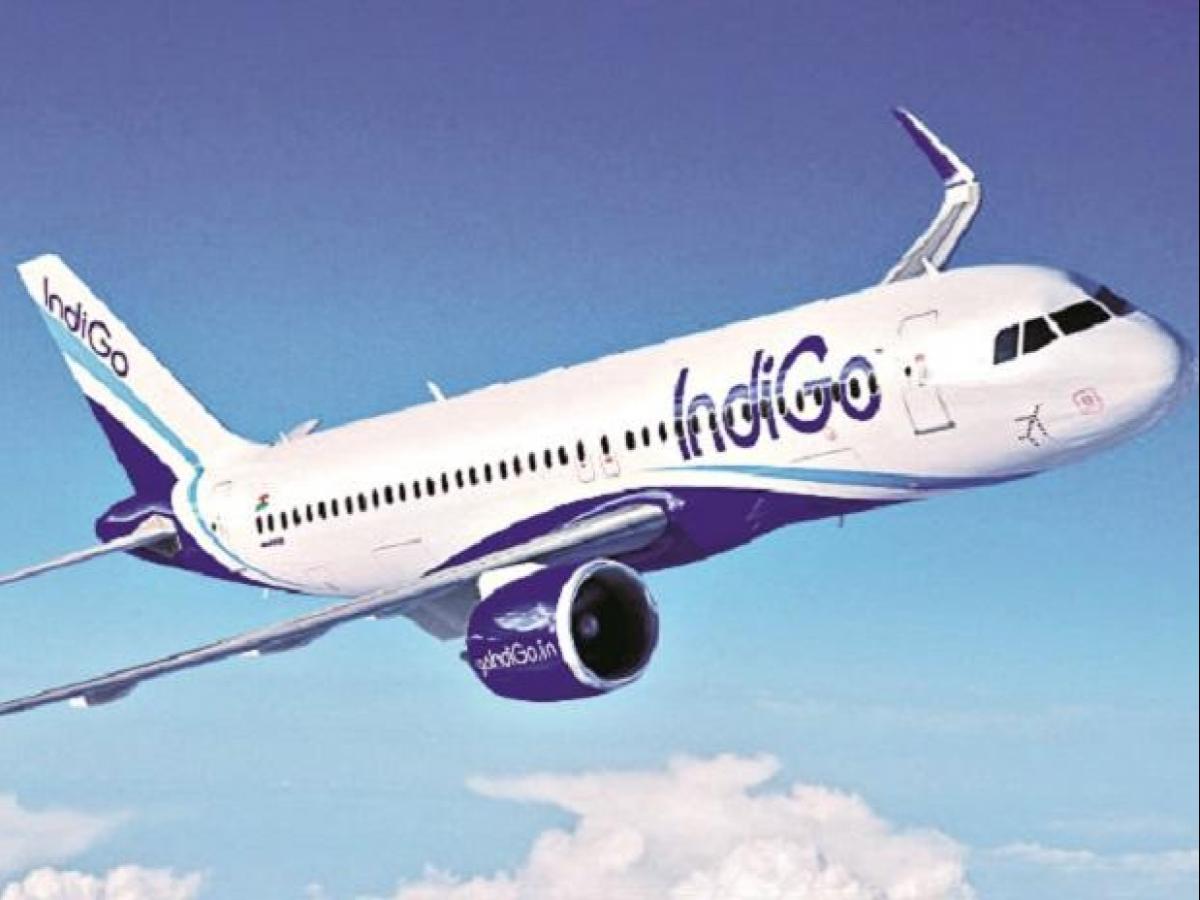
Budget airline IndiGo has added Leh to its network and will start its daily Delhi-Leh flights with effect from February 22. In a statement, the airline said that bookings are now open for the route. Sanjay Kumar, Chief Strategy and Revenue Officer, IndiGo said: “We are pleased to begin expansion of our domestic network beyond the pre-covid levels. This will also be our first destination amongst the seven regional stations we announced recently. We are working towards enhancing regional connectivity, which will not only increase access but also promote domestic trade and tourism in the country.” Kumar added that the airline is committed to providing “an affordable, on-time, safe and hassle-free travel experience onboard our lean clean flying machine”. Leh is the 63rd domestic destination of IndiGo. It attracts tourists during April-September.

Read more

SpiceJet announces daily flight on Delhi-Pakyong route from January 23

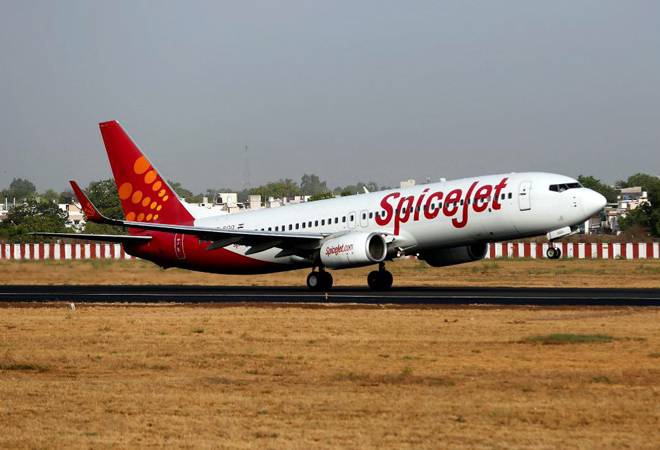
Budget carrier SpiceJet, which was the first domestic operator to land a commercial flight at Sikkim’s Pakyong airport from Kolkata in early October of 2018, has now announced to connect the aerodrome from Delhi with a non-stop daily service, starting January 23. The air services on the new route, to be operated by a Bombardier 400 aircraft, will be offered under the government’s regional connectivity scheme UDAN, SpiceJet said on Friday. Besides, the airline said it will also add a second frequency on the Delhi-Leh-Delhi sector from January 27 onwards. The Pakyong airport is the only operational civil airport handling commercial flight operations in Sikkim, and SpiceJet will be the first and only airline to offer daily direct air connectivity between Delhi and the northeastern state, it said. SpiceJet Chairman and Managing Director Ajay Singh said, “We are delighted to launch new flights connecting Pakyong and Leh to the national capital. Sikkim is one of the most beautiful and sought-after travel destinations in India.” He added that the flights from Delhi to Pakyong (Gangtok) will cater to the growing demand of leisure travellers and backpackers who want to visit this beautiful city in the foothills of Himalayas. With the launch of these new flights, SpiceJet aims to make journeys shorter, he added. SpiceJet was awarded Pakyong along with Delhi under the second phase of the UDAN (Ude Desh ka Aam Nagrik) scheme. With new flight services, passengers from Pakyong and Leh can travel to a host of other cities both on SpiceJet’s domestic as well as international network via multiple onward connections from Delhi, the airline said. SpiceJet commenced services to Pakyong Airport on October 5, 2018, nearly two weeks after Prime Minister Narendra Modi inaugurated it, with a direct flight from Kolkata under UDAN. The airline, however, temporarily discontinued the services from June 2019 till further notice, reportedly owing to unpredictable weather in Pakyong. Low visibility was impacting the flight operations there.

Read more

New Delhi Railway Station set to receive a futuristic makeover

The New Delhi Railway Station is set to receive the most stunning makeover in its history. According to the latest reports, in the next four years, the project to renovate the railway station will be given to investors and developers from different parts of the world. Located in the heart of New Delhi and close to Delhi’s commercial hub of Connaught Place, the New Delhi Railway Station is also linked to the Indira Gandhi International Airport through the Airport Express Line metro and also to the rest of Delhi and NCR. Reportedly, the project to renovate the railway station features the station component, railway offices, railway quarters, the new terminal building along with amenities, commercial office space, hotels, and residential space among others. Railway Minister Piyush Goyal shared the pictures of new designs prepared for the railway station. The New Delhi Railway Station would have dome-shaped terminal buildings with two arrivals and two departure gates at the concourse level, 40-floor high rise twin towers, two Multi-Modal Transport Hubs on each side of the station and a pedestrian boulevard with high-street shops. Most eastbound and southbound trains originate at New Delhi railway station; however, some important trains to other parts of the country also touch/originate at this station. Most pairs of Shatabdi Express originate and terminate at this station. It is also the main hub for the Rajdhani Express. New Delhi railway station is the highest-earning railway station in Indian Railways based on passenger revenue followed by Howrah Junction. Located between Ajmeri Gate and Paharganj, the New Delhi Railway Station is the primary station in Delhi, and the busiest railway station in India terms of train frequency and passenger traffic. It has 16 platforms, and it has the record for the largest route interlocking system on the globe along with the Kanpur Central railway station in Uttar Pradesh.

Read more