‘Religious, cultural events to boost tourism in Purvanchal’

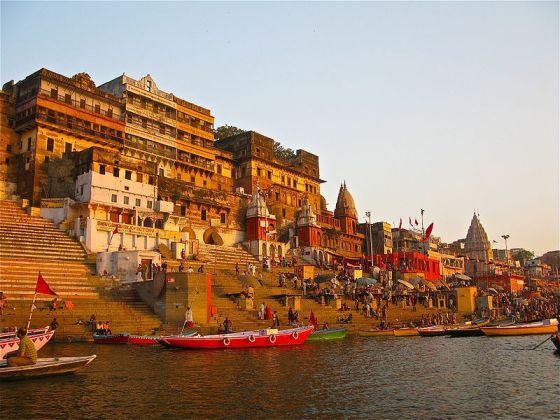
To develop Purvanchal as a tourism hub, member of the tourism committee of Purvanchal Development Council, Prof Manoj Dixit, has proposed an action plan suggesting that Ayodhya and Gorakhpur should be incorporated in religious tourism circuit along with Varanasi and Kushinagar. Varanasi and Kushinagar, two districts of religious importance for Buddhists, attract about 65% of tourists visiting the state annually. In a presentation to Chief Minister Yogi Adityanath, Prof Dixit, who is also the former vice-chancellor of Dr Ram Manohar Lohia Awadh University, Faizabad, said: “Purvanchal has cultural connections with Bihar but there is no event which connects the two. Events like Ayodhya’s Deepotsav and Varanasi’s Dev Deepawali are needed to boost tourism. A city like Kushinagar should have a direct rail link.” Other suggestions made in the presentation included road, rail, water and air connectivity between Awadh and Mithila. “Sawan Jhoola Mela of Ayodhya can be a big draw for tourists like Deepotsav and Dussehra celebrations. UP can run special tourist train, as are currently operated in Rajasthan,” he said. Prof Dixit also proposed a film city in Mirzapur and Sonbhadra. Other suggestions included organisation of fairs, rebranding of Magh Mela in Prayagraj as Annual Kumbh, along with a shorter fair in Ayodhya.

Read more

Igloo tourism picking up pace in Manali

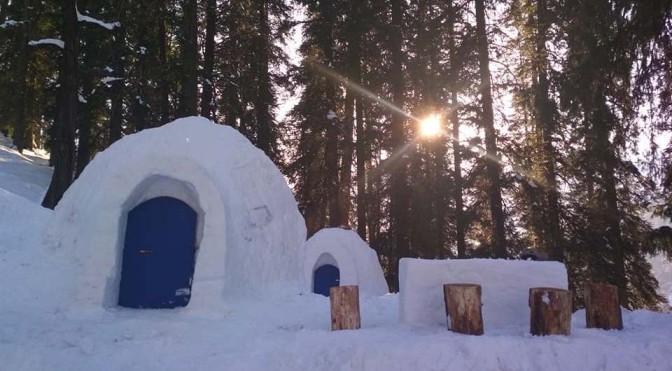
Manali’s igloo tourism is getting a surprisingly warm response this year. Service providers have informed that they have received advanced booking till January 4. This means Manali’s igloo concept is gradually becoming a hit among the tourists and locals alike. Reportedly, timely snowfall and low temperature have been conducive to implement the igloo concept, which is now becoming a popular concept in India. Also, in the wake of the COVID-19 pandemic, hoteliers are adopting unique tactics to lure tourists. As such, igloo makers are also hoping that igloo tourism will develop further in the coming years. Reportedly, staying in igloos is possible after January when the region receives frequent snowfall and the temperature remains at its lowest. As of now, parts of Himachal have already received good snowfall, whereas the temperature is also below freezing point. The country’s first igloo near Sethan village of Hamta was introduced by two Manali locals, Vikas and Tashi, in the winter of 2016-17. Since then, there has been no looking back. As per the reports, the igloo concept is being tried in many other parts of the state as well. Referring to the igloo concept, Vikas said that they have three igloos ready for tourists, and will be building more soon. He added that the igloo site near Hamta has more than 30 cm of snow and temperature also here is favourable. He also stated that now they are gearing up to host tourists during New Year when special arrangements will be in place.

Read more

Coronavirus in Maharashtra: Tourism Dept issues SOP for tourists and destinations

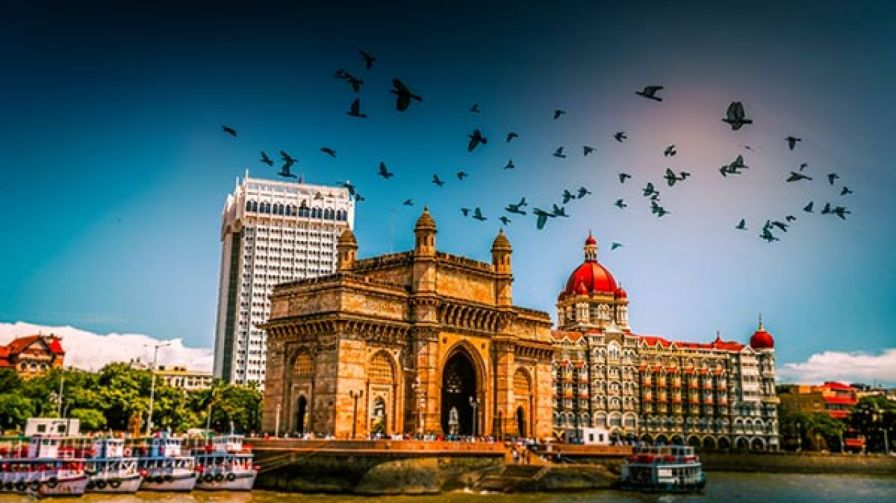
Days after its decision to allow opening of entertainment/amusement Parks including Indoor entertainment activities, tourist places and similar places, the Maharashtra Government on Monday has released SOP for tourists and tourist destinations. In a 15 page document, the Directorate of Tourism has listed dos and don’ts to be strictly observed by tourists in order to avoid the spread of Covid 19. Tourists will observe social distancing, wear masks, wash and sanitize their hands frequently. Tourists always keep a safe physical distance of at least 2 metres (6 feet) while they are at the destination. Tourists should avail online / digital ticketing facilities where available and book their tickets well in advance to ensure that service providers have information to make adequate arrangements. All tourists shall have their temperature checked at the entry points using non-contact devices and shall be screened for symptoms such as cold, cough. Service providers shall ensure that privacy is maintained during screening. Only asymptomatic tourists shall be allowed and those having even mild symptoms are advised to remain in isolation in public interest. Tourists having an abnormal temperature and / or flu like symptoms shall not be allowed to enter the facility. Any tourist displaying potential COVID-19 symptoms and the people accompanying the said tourist shall be moved to a containment area or isolation room for further action. Persons above 65 years of age, persons with comorbidities, pregnant women and children below the age of 10 years are advised to stay at home, except required for essential and health purposes. Tourists shall minimize contact with other staff and visitors. As far as possible, a zero-contact policy should be followed at all tourism facilities. A COVID-19 Team comprising representatives from Police Department, Local Body, District Magistrate and all other relevant departments involved in the operations of each tourist destination shall be formed by the management/administration. The administration may decide to create unidirectional in and out strategy or trail for the visitors, wherever applicable. Tourist destination Management may regulate the group visits, guided tours, public programs, and special or private events, wherever applicable. Dining slots facility to be allowed to operate for fixed timing during the day to ensure only limited tourists and avoid overcrowding. Tourists may be requested to make the payment via digital mode / payment apps as much as possible. According to the SOP, tourist destination management should disseminate information material like short documents, informative posters or signages to reiterate the key messages to the tourists, including the promotion of hand washing (at least 40-60 seconds, all parts of the hand), respiratory hygiene, and coughing etiquette. Training programs for staff shall be conducted to reinforce appropriate social distancing, cleaning, disinfection, and hygiene procedures and adopt measures that could protect the tourists and the staff at the destination.

Read more

Vaccine boost for travel and retail sectors

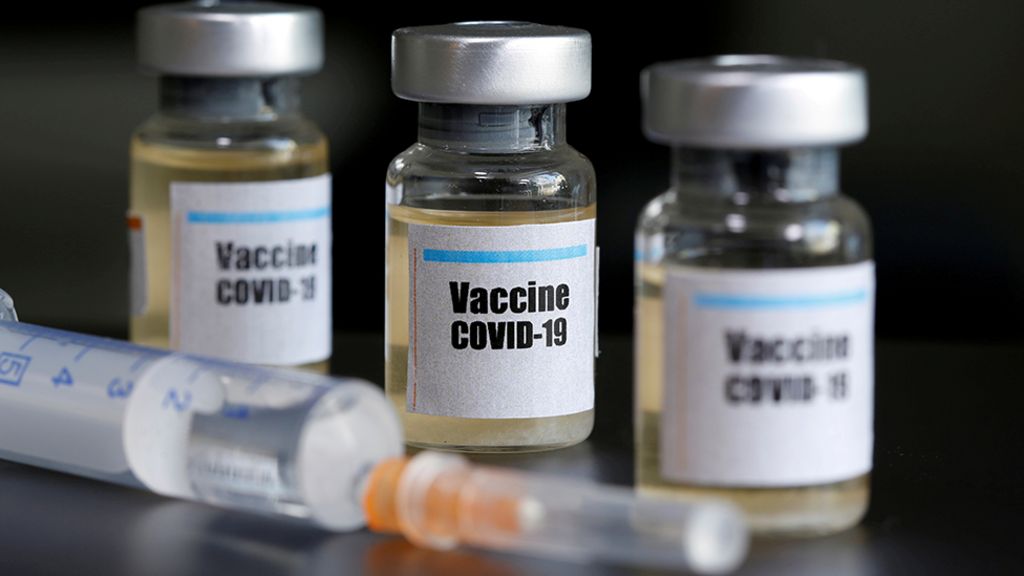
After receiving a debilitating shock treatment at the hands of Covid, several industries in India across retail, FMCG and automobile are set to get back on their feet in 2021. Sectors like entertainment, travel and retail are expected to receive a boost once public confidence in vaccines kick in. Most retailers said they have recovered 70-80% of pre-Covid annual sales on the back of a bullish festive season. “A lot, however, will depend on further lockdowns due to the new strain of the virus,” said Rajat Wahi, partner at Deloitte India.

Read more

New Year restrictions for states in India

New Year celebrations are just the kind of place where COVID-19 can spread easily. Now with the new strain of virus detected abroad, India is being cautious in the year-end celebrations. States in India have already issued warnings, and have appealed to citizens to be cautious this year-end. Celebrations and gatherings can very well increase the cases of the coronavirus. Here is state by state guide to New Year covid restrictions. Tamil Nadu New Year celebrations have been banned in the state of Tamil Nadu. An order has been issued to beaches, hotels, resorts, and clubs in the state, and it means that there will be no celebrations on December 31 and January 1 nights. Also beaches will be out-of-bounds, and there will be no gatherings at midnight even on the beach roads. Maharashtra The state of Maharashtra has already a night curfew in place. The seven-hour night curfew is applied to the whole state, across all cities. According to the ruling, the curfew is imposed between 11 pm and 6 pm. It began on December 22, and will be lifted on January 5. This means that New Year celebrations are off for this year-end. Normal celebrations cannot be permitted under the current circumstances. Karnataka The state had earlier announced a night curfew, but that has been retracted now. So currently Karnataka has imposed a ban on mass gatherings. There will be no mass gatherings without proper social distancing in pubs, and restaurants, or other places. This ban on mass gatherings has been imposed from December 30 to January 2. Also, pubs, clubs, and restaurants are not permitted to host parties. Rajasthan Rajasthan, a popular tourist destination for year-end celebrations has also imposed a curfew. The curfew will be in place from December 31, 8 pm, to January 1, 6 am. The restrictions will be the same as they were during Diwali this year, and are applicable to all.

Read more

Winter tourists buoy up Kashmir’s battered tourism sector

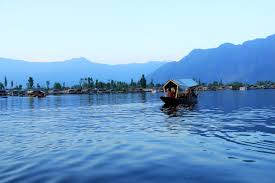
Winter snow has brought tourists back to Kashmir after a year-long lull following the revocation of Article 370 and the novel coronavirus disease (COVID-19) pandemic. Tourism has been a pillar for the economy of Jammu and Kashmir and fewer tourists didn’t bode well. The Kashmir Chamber of Commerce and Industries (KCCI) pegged losses at Rs 40,000 crore for the year through August 2020 and estimated job losses at 144,500. “The biggest boon for Kashmir tourism is the early snow, particularly in the famous health resorts of Gulmarg and Pahalgam, which is drawing tourists back to the Valley,” Nasir Shah, chairman of Kashmir Leisure and Pilgrimage Tour Operators told this reporter. The ski resort at Gulmarg has seen a rush. The inflow of tourists has persuaded the tourism department to open both phases of the Gulmarg Gandola — from Gulmarg to Kongdoor and from Kongdoori to Apharwat. The pandemic-driven ban on international travel has meant more domestic tourists turning to the Valley. “Kashmir remains a favourite with all Indians,” he added. The number of COVID-19 cases have also come down — from over 1,000 daily infections in summer to just over 200 now. Besides, the talk of vaccines has boosted confidence, Shah said. The hospitality industry, however, have to remain vigilant; they have been asked to observe standard operating procedures and ensure occupancy remains below capacity to maintain distancing norms. A traumatic year The footfall is part of a process that started in July, after 11 months of shutdown: On August 2, 2019, three days before the revocation of Article 370, the then state home secretary Shaleen Kabra asked pilgrims and tourists to “immediately” curtail their stay and leave “as soon as possible”. There were 25,000 tourists in hotels in Gulmarg, Pahalgam and on the Dal lake then. In July 2019 alone, more than 150,000 tourists visited the Valley, according to the tourism department. Over the next two days, the Valley was emptied of tourists. Government transport was used to ferry them to Srinagar airport and bus terminals. A travel advisory against visiting Kashmir followed, to be lifted only on October 9, 2019. But the inflow remained a trickle due to the security clampdown and communication blockade. Around 43,000 tourists visited the Valley from August through December 2019 and a paltry 19,000 this year (through September) — mostly before March. The COVID-19 lockdown made Kashmir out-of-bounds like most parts of India. Foreign tourists were banned; parks and gardens, including tourist favourites like the Mughal Gardens and Tulip garden, shut. There were no tourists in the first quarter of the current financial year. In July there were 186, which kept rising to 284 in August, 848 in September, 2,697 in October and 6,327 in November — including 56 foreigners. To put the numbers into context: 842,202 tourists visited the Valley in 2018, 499,582 in 2019 and only 28,030 so far this year. The government has now geared up: The tourism department has roped in film director Imtiaz Ali “to promote local art and culture”. It has also announced winter games in Gulmarg for February 2021. In November, tour and travel operators from Maharashtra started an ‘Unlock Kashmir Tourism Campaign’ with support from the Jammu and Kashmir Tourism Department. Some 70 operators, along with writers and journalists, visited scenic spots in Kashmir. “We are banking on winter to bring back tourists,” Manzoor Ahmad Pakhtoon, a member of KCCI, associated with its tourism wing, said. “The coming three months are crucial. Snow is our USP (unique selling proposition),” he added. Pakhtoon pointed out with a capacity of 35,000 tourists a day, a few thousand visitors won’t make a difference. “We need several thousand tourists a day to reasonably enhance occupancy level in the hotels,” he added. But going by the current daily arrivals, the situation is improving by the day. On December 17, 378 tourists arrived in Kashmir by air from 14 states of India. “We are doing our best to increase the tourist footfall,” Ahsan-ul-haq Chisti, who headed a recent visit by a team of the tourism department to Kolkata to interact with tourism industry officials and tour operators there, said. “There is a steady growth in arrivals as is clear from the daily figures. Both enquiries and bookings are picking up,” he added.

Read more