E-passes for travel from Pune to 8 districts on hold for now

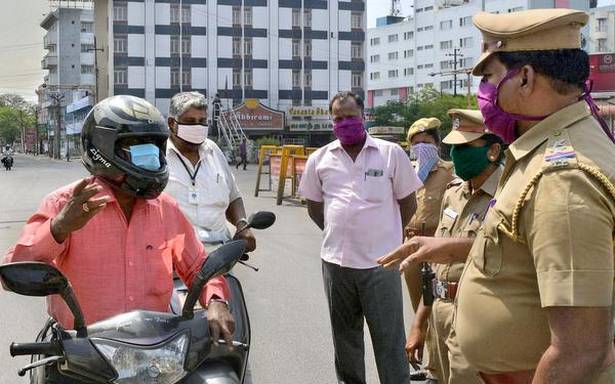
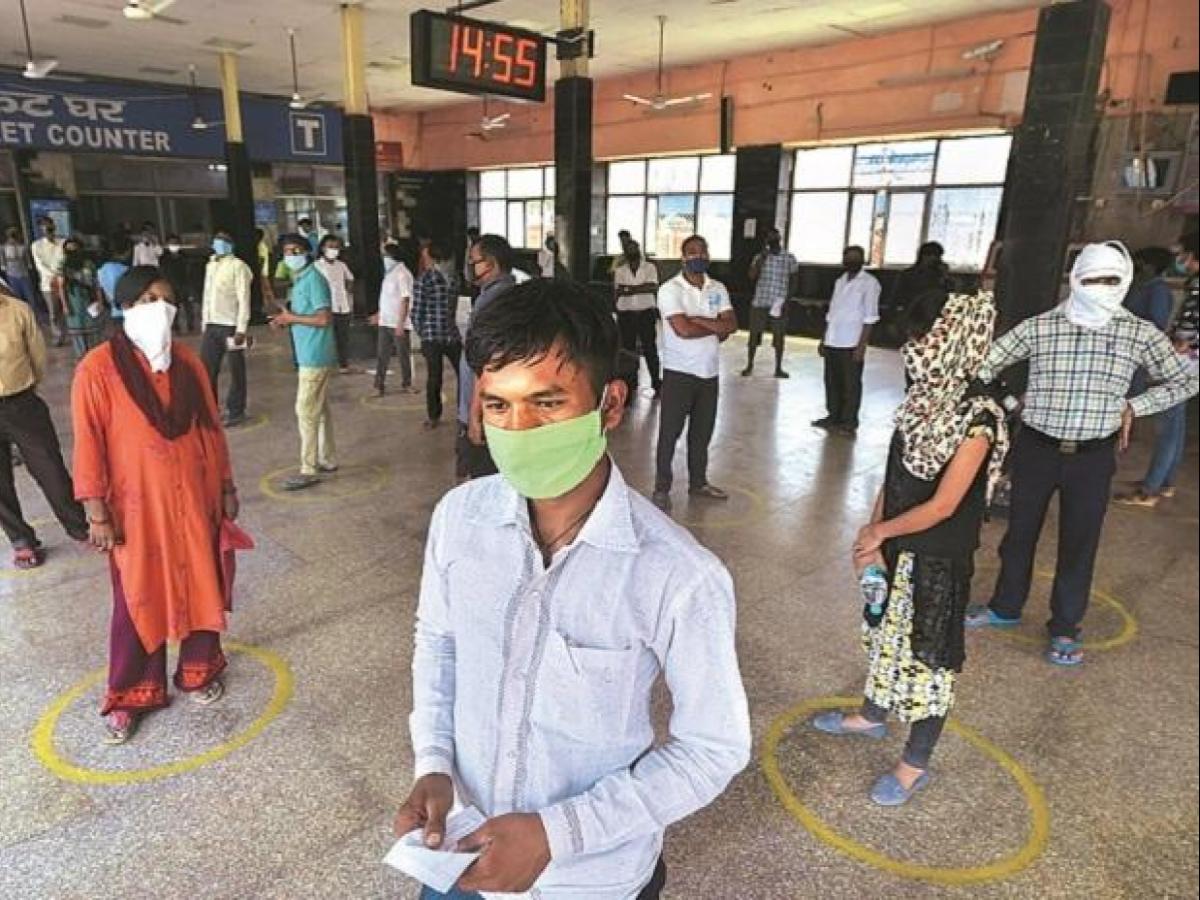
PUNE: People from Pune wanting to visit Satara, Sangli, Ahmednagar, Kolhapur, Beed, Bhandara, Gadchiroli and Amravati for personal and business reasons are in a fix with the authorities not issuing e-passes for such travel. Deputy commissioner of police (DCP) Bachchan Singh told TOI on Friday that e-pass requests for travel to these eight districts are on hold as per guidelines received from the collector offices concerned. “Only in the case of death or severe medical emergencies are the passes being given consent without waiting for approval from the district collectorates concerned,” he said. Asked if the police were facing any problems while issuing the documents, Singh said, “One issue was that e-pass requests for the eight districts were taking time to get approved as the Pune police also have to wait for consent from the authorities in those districts.” When the lockdown was at its peak, around 17,000-18,000 e-pass requests were coming to the Pune police each day, which have now come down to 2,000 per day (in case of both inter-state and inter-district travel). On Friday, the Pune police’s Twitter account received several tweets of travellers awaiting e-pass approval for commute to these districts but were told that their requests were on hold. These people were travelling for personal reasons, including visiting parents and attending business meets. A cab service provider told TOI on condition of anonymity, “The Union government recently issued a notification reiterating that no restrictions should be imposed on inter-district travel. But if a collector feels that the situation in the district concerned is not suitable for people to travel freely, then such restrictions can be imposed. Districts such as Satara, Sangli and Kolhapur have highways passing through them and see a rush of travellers from Pune and Mumbai. Since Pune and Mumbai are Covid-19 hotspots, the administration in those districts may have decided to temporarily put some restrictions on incoming travel.” A cab service provider said on Friday that he cancelled a client’s trip request to Kolhapur after he could not get an e-pass for him. Another city-based working professional, who wanted to visit Satara on Thursday, put his trip on hold as he could not get a pass. “I had to visit my manufacturing unit in Satara, but my e-pass was not approved,” he said.

Read more

Canada adds 30 days to international travel restrictions

Canada is extending travel restrictions on incoming foreign travellers for another month as coronavirus continues to pose a threat to public safety. Travel restrictions are now being extended until September 30. This is Canada’s third time extending the travel restrictions that were originally put in place from March 18 until June 30. The federal government has been reviewing the coronavirus situation month-by-month and adjusting travel policies accordingly. In addition, the mandatory quarantine order that was in effect since March has also been extended. Exempt travellers will have to carry out a self-isolation period of 14 days if they are allowed into Canada. Who can come to Canada? According to Immigration, Refugees and Citizenship Canada (IRCC) the following groups of people are exempt from travel restrictions: -Canadian citizens; -Permanent residents; -Some people who have been approved for Canadian permanent residence; -Some temporary foreign workers; -Some international students; and -Immediate family members of Canadian citizens and permanent residents (spouses or common-law partners, dependent children, dependent children of dependent children, parent or step-parent, guardian or tutor). Canada is still accepting immigrants Canada continues to welcome immigrants who support the labour market and aid in economic recovery. This past month Canada created a pathway to permanent residence for asylum-seekers working in healthcare. IRCC also introduced a temporary policy where people on visitor status who had Canadian job offers could apply for a work permit without having to leave the country. Immigration programs are also continuing to be active, inviting immigration candidates to take the next steps towards permanent residence.

Read more

ICC and WTTC issue COVID-19 restart guide for the Travel & Tourism sector

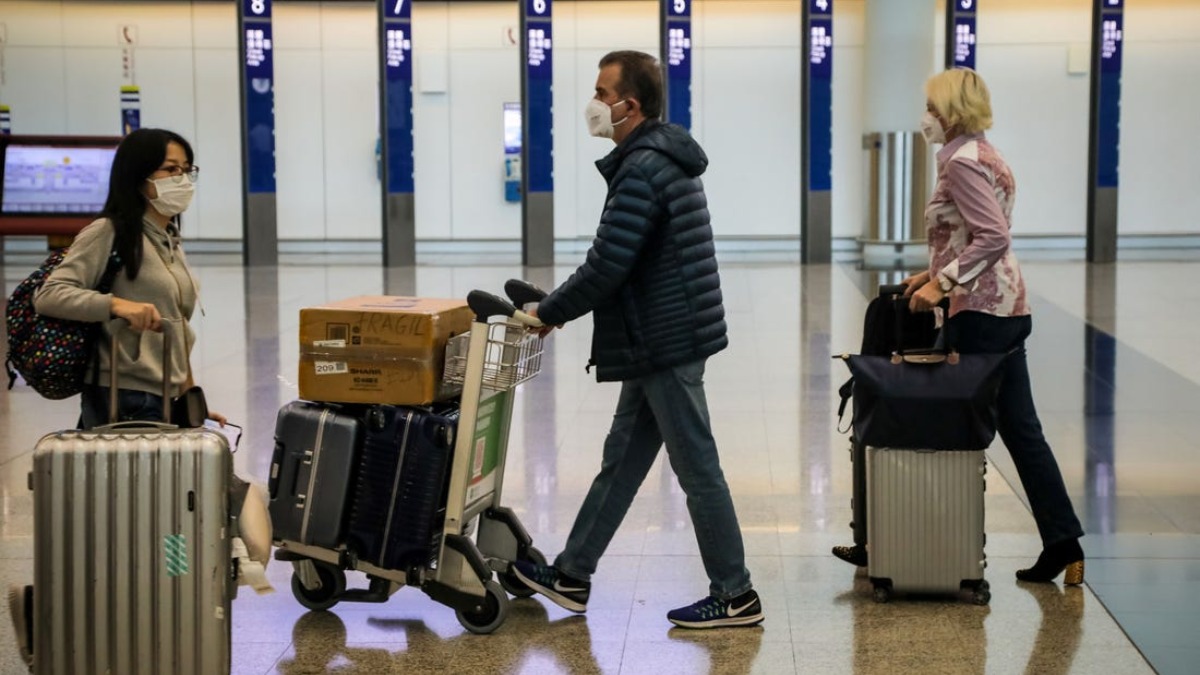
The International Chamber of Commerce (ICC) and the World Travel & Tourism Council (WTTC) have published a set of recommendations for safely re-opening customer facing businesses in the age of COVID-19. The COVID-19 pandemic has caused widespread disruptions to global supply chains and businesses of all sizes. The Travel & Tourism sector has been particularly impacted by the current pandemic due to travel restrictions, declining traveller confidence and reduced consumer demand. In recognition of the challenges faced by the travel and tourism industry, ICC and WTTC have released a Quick Restart Guide for Employers to provide businesses with recommendations for ensuring operational readiness, preparing staff and limiting risk of exposure to the virus within workplaces. The guidance was released as part of a virtual meeting between ICC Secretary General John W.H. Denton AO and WTTC President & CEO Gloria Guevara. During the meeting, both leaders acknowledged that the Travel & Tourism sector will need to implement new measures, such as the WTTC Safe Travels protocols, fortify knowledge sharing and institute careful plans, to ensure that businesses can operate safely in the age of COVID-19. Mr Denton said: “With over 150 million travel and tourism jobs lost since the outbreak of COVID-19, more needs to be done to address the challenges faced by these businesses – many of which are SMEs with limited resources. It’s critical for ICC and our global network to engage with travel and tourism businesses as we work together to reinstate consumer confidence, protect employees and safely re-open our economies.” Gloria Guevara, WTTC President & CEO, said: “Travel & Tourism is a highly interconnected sector, the devastating impact that the COVID-19 pandemic is having on businesses across the global Travel & Tourism sector, is also causing extraordinary damage outside of our sector, impacting millions of jobs and livelihoods around the world. Our guide provides recommendations for businesses around the world, be they large enterprises or SME’s, to ensure employees are able to return to their place of work safely and are in line with WTTC’s Safe Travels protocols.” The ICC-WTTC guidance is divided into clear categories to help travel and tourism businesses restart their operations safely. From rebuilding trust and confidence with customers to preparing staff returning to workplaces, the guidance provides travel and tourism businesses with a checklist of considerations for reopening. During their meeting, the two discussed collaboration on digital platforms aimed at reopening economies and borders for international travel. Mr Denton provided an update on ICC AOKpass – a risk mitigation tool that facilitates cross-border travellers to present digitally authenticated and secure medical records to border authorities – and offered ICC’s support in promoting the WTTC Safe Travels Protocols and Stamp, the world’s first ever global safety and hygiene stamp. Earlier this year, ICC and WTTC co-organised a webinar on the consequences of COVID-19 for small- and medium-sized enterprises operating within the travel and tourism sector. Hosted by ICC’s Centre for Entrepreneurship in Istanbul, the webinar gathered leaders from across the travel and tourism industry to discuss the ramifications of the pandemic and the measures designed to contain its spread.

Read more

On-board meal service in flights to resume soon as govt lifts ban

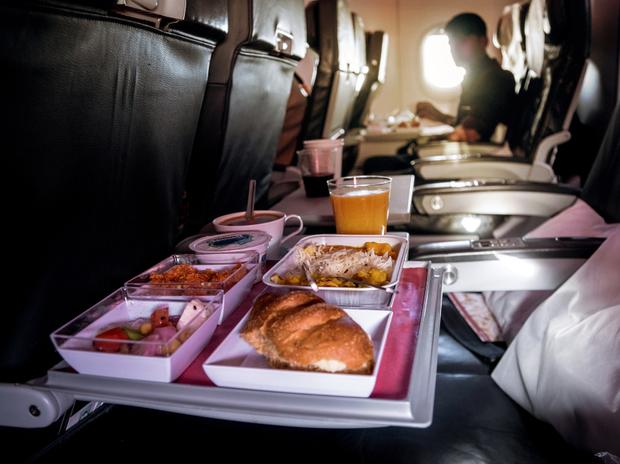
In a significant relaxation, the government has allowed serving of meals on board both domestic and international flights. Selling on-board meals is a significant source of ancillary revenue for low-cost airlines. This had dried up as in-flight meals were banned to prevent the on-board spread of coronavirus when air transport resumed on May 25. Due to the ban, India’s largest airline IndiGo had seen its ancillary revenues declining by 81.3 percent in the April-June period. While for domestic flights, only pre-packed snacks and beverages have been allowed, airlines operating international flights can also serve hot meals and liquor. Airlines are undertaking international flights for the purpose of repatriation and private charters. However, the government has mandated that on-board meals have to be served only in disposable trays and crockeries which should not be reused. The table and cutlery have to be set up beforehand, as cabin crew will not be permitted to do on-board service. “Crew shall wear a fresh set of gloves for meal service,” the government order said. Pouring service by cabin crew for tea, coffee or alcohol is not allowed. Low-cost carriers like IndiGo, GoAir and SpiceJet, and full-service ones like Vistara and Air India count on-board meals among their major revenue sources; the quality of meals acts as a differentiator and marketing pitch. The other avenues are cargo, special service requests, ticket modification and cancellation.

Read more

India Unlock—No restrictions on inter-state and intra-state travel

In a much-awaited development, the central government has lifted all restrictions on passenger and goods’ movement for both inter-state and intra-state travel. Reportedly, Union Home Secretary Ajay Bhalla has written to all Union Territories and state and chief secretaries on the same. He has also communicated that any such imposition would henceforth be treated as violation of the guidelines issued by the MHA. The letter written by Mr Bhalla is quoted as stating that, "Such restrictions amount to violation of guidelines issued by the Ministry of Home Affairs (MHA) under provisions of Disaster Management Act, 2005. No restrictions be imposed and it should be ensured that MHA guidelines are followed." He has also written that any disruption in such movement will hamper the supply chains and also affect employment as well as other economic activities. Henceforth, no special permission, permits, or approval would be required for such movement. The development has come in the wake of unlock guidelines issued by the Centre on July 29. The same has ushered in the third phase of lifting the COVID-19 restrictions in the country.

Read more

‘Keralam Kanaam’, the first step towards reviving sector by wooing local tourists

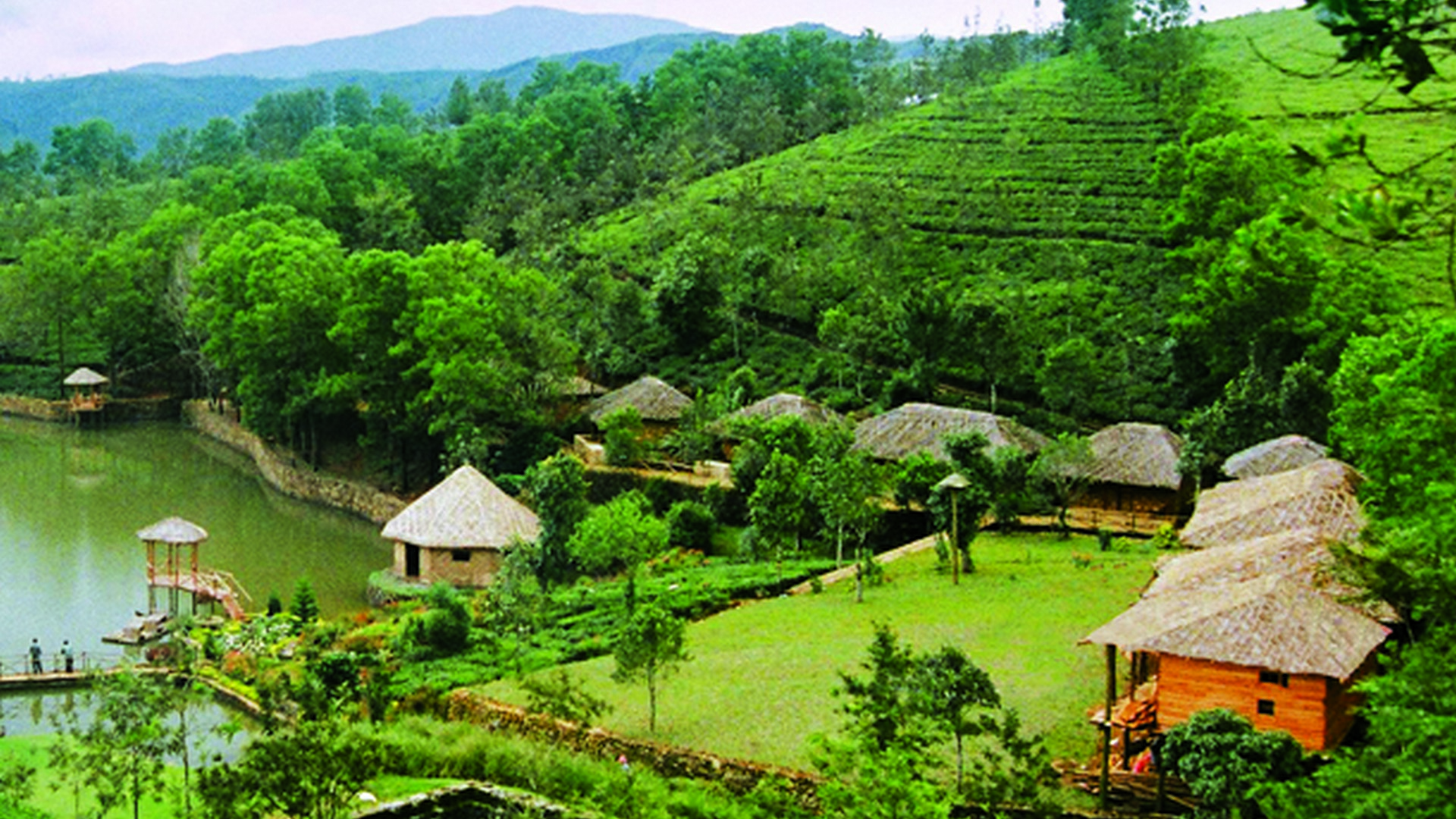
THIRUVANANTHAPURAM: The tourism sector in Kerala constitutes 10 per cent of the state’s GDP; more importantly, it accounts for close to 25 per cent of employment. However, with the global pandemic outbreak bringing the industry to its knees, the gross loss faced by the tourism sector in the state as of August this year has been pegged at a whopping Rs 25,000 crore. In an attempt to provide life support, the Association of Tourism and Trade Organisation of India (ATTOI) with the backing of Tourism Department has launched the ‘Keralam Kanaam’ campaign which aims to offer luxury staycations at affordable rates to resident Keralites. More than 35 resorts and hotels registered with the dedicated portal, Malayaliyatra.com, have come up with special discounted deals and packages like never before. “Many Malayalis have not experienced what their home state has to offer. Hence, were are making luxury holidays accessible to the public. All the resorts and hotels registered on the website, including 5-star hotels, have slashed their rates to between Rs 4,000 and 5,000 per day,” said P V Manu, secretary, ATTOI. The initiative is expected to provide a breather to the sector. While the Kerala Tourism Department is already in the works for a major big blast marketing campaign for the post-Covid scenario; the focus, for now, seems to be on propelling local tourism. Although the marginal tourist movement witnessed among domestic visitors over the past month is promising; the footfall of travellers from other states has been completely nil. “We want the tourists to realise that the Kerala experience inherently comes with social distancing practices. We don’t have many mass tourism spots and activities like houseboat rides, plantation visits, eco-tourism and treks are all catered to a small group of people or families,” said P Bala Kiran, director, Department of Tourism.

Read more