
New Airport, Swanky Station - Ayodhya Has Blueprint Ready For Big Upgrade
- Aug 05,2020
- NDTV
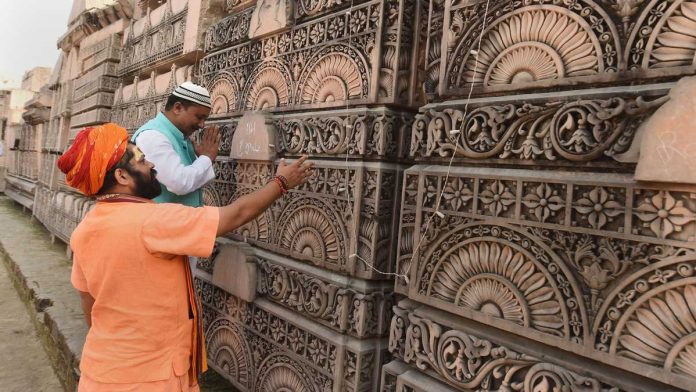
New Delhi: The groundbreaking ceremony for the proposed Ram temple at the Ram Janambhoomi site in Ayodhya will take place today amid hopes of a better future following massive upgrade plans that involve a brand new airport and a glitzy railway station. The Uttar Pradesh government has announced a number of development and beautification projects in the temple town, with a budget of more than Rs 500 crore. There are plans to promote Ayodhya as a big religious tourism destination. The government is expecting huge footfall by 2024, when the long-awaited Ram temple is expected to be completed. The advance planning includes not only a new airport and railway station, but also an upgrade of the nearby highway and local tourist spots. As of now, Ayodhya has an airstrip for the use of VIPs. But the government has announced that it will be converted into an airport. Not much has happened since the announcement made two years ago. The government is still in the process of land acquisition. The national highway upgrade has a budget of Rs 250 crore. The water supply project will also be upgraded which has a budget of Rs 54 crore. Rs 7 crore has been earmarked for the bus station and an equal amount for the police barracks. Rs 16 crore has been set aside for the modernisation of the Tulsi Smarak. The local Rajshri Dasrath Medical College will also be upgraded, for which 134 crore has been allotted. Despite dominating politics in north India for decades, Ayodhya had been a sleepy little town, where the young people demanded development. "We have moved on from mandir-masjid," students at the Saket College, Ayodhya's most prestigious educational institution, had said ahead of the 2017 state elections. "Where are the jobs, the factories," they asked, claiming that the BJP's development mantra has passed Ayodhya by. According to government figures, between 2003 and 2012, the number of industrial units in Ayodhya-Faizabad area went up by just 50 -- from 377 to 426. In November 2018, Chief Minister Yogi Adityanath had announced grand plans for an airport and a medical college. There were plans to build a Ramayan circuit by the river Saryu that passes through the town.
Read more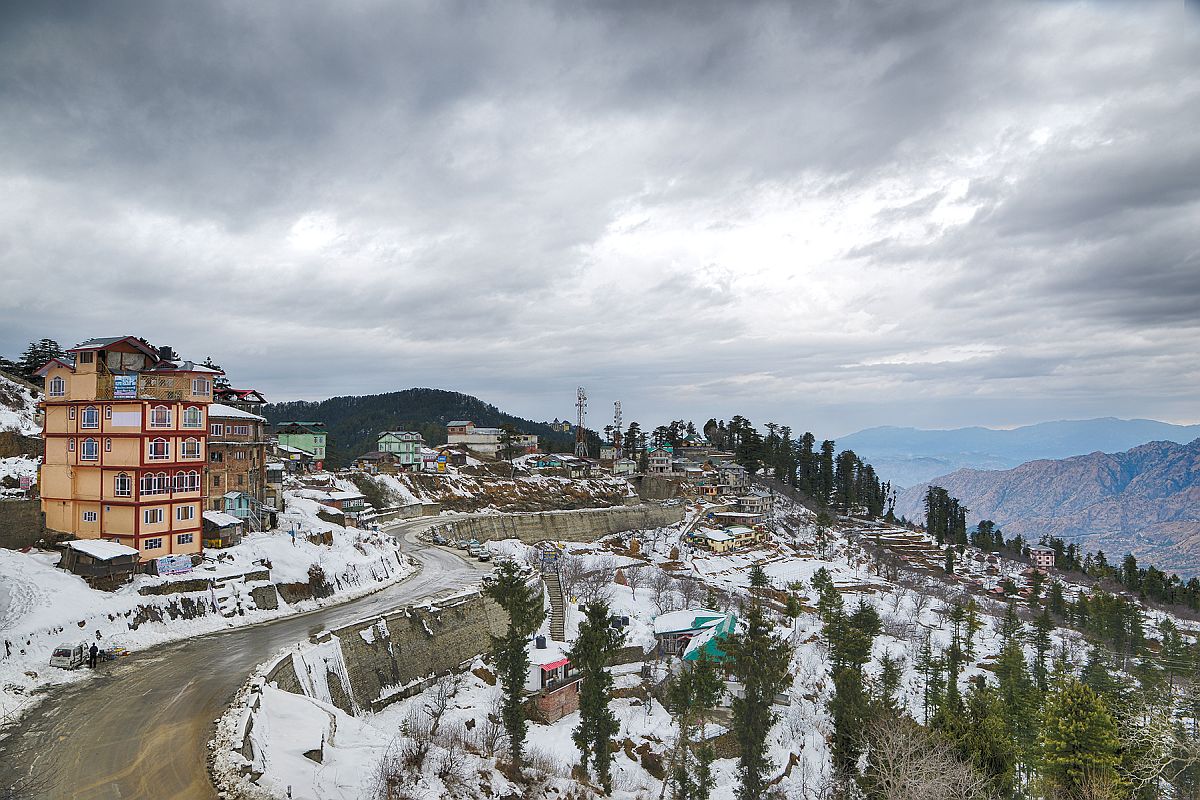
Himachal pradesh to promote eco-tourism
- Aug 05,2020
- The Statesman
Himachal Pradesh Forest, Youth Services and Sports Minister Rakesh Pathania on Monday called for tapping the eco-tourism potential to provide pollution-free atmosphere to tourists. After a meeting with senior officers of the Forest department, Pathania said Himachal Pradesh had a lot of potential for eco-tourism because of its green cover which needed to be tapped in an eco-friendly manner. “Tourists will be provided with pollution free atmosphere in eco-tourism sites where tents and other eco-friendly activities like use of solar i.e. green energy would be used,” he added. He emphasized that the catchment area treatment activities should be done in such a manner that rain water could be retained for a longer time to increase the productivity of the land. “Small water check dams will be constructed in different schemes to check the soil erosion, which is one of the major reasons for the degradation of the forests. Further, the farmers and local community will be encouraged in these activities which would also provide opportunities of employment,” Pathania said. He further stated that necessary changes will be made in the policy for providing weapons to the field functionary of the Forest department. He emphasized that control rooms be established both at headquarter and field level to monitor various activities of the department. He appreciated the works done by the wildlife wing in controlling the population of monkeys by massive sterilization efforts at different centers. The Principal Chief Conservator of Forests and head of Forest Force Ajay Kumar gave a presentation regarding activities and schemes being implemented by the department. The Principal Chief Conservator of Forests, Wild Life Dr Savita also gave the presentation about wildlife wing of the department. Additional Chief Secretary Forests, Sanjay Gupta and other senior officers were also present in the meeting.
Read more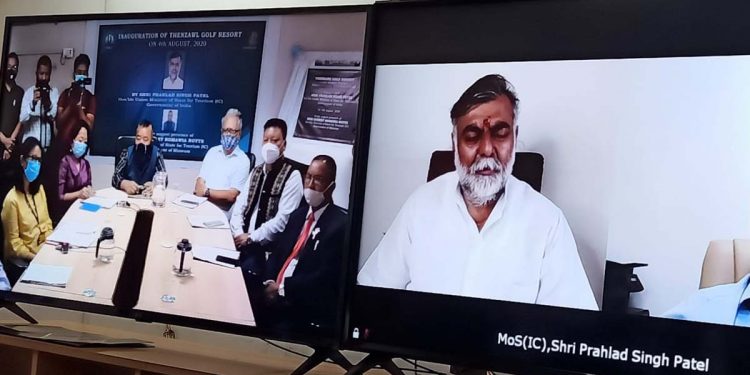
Tourism Minister virtually inaugurates Mizoram’s first golf resort
- Aug 05,2020
- North East Now
Union Tourism Minister Prahlad Singh Patel on Tuesday virtually inaugurated Mizoram’s first golf course and resort at Thenzawl in Serchhip district, about 90 km from Aizawl. The MoS for Tourism, Patel, inaugurated the golf course and resort through a video conference from New Delhi. The inaugural function at Aizawl was attended by Mizoram tourism minister Robert Romawia Royte, Lok Sabha MP C. Lalrosanga, Agriculture Development Board vice chairman and MLA H.Biakzaua, Sports, Youth Affairs and Tourism board vice chairman T.C. Pachhunga and top tourism officials. Speaking on the occasion, Patel lauded Mizoram as one of the most beautiful states in the country that has a rich biological hotspot and land for tourist attraction. He said the hilly northeastern state with its strategic location is one of the most important states in the country which is successfully implementing India’s Act East policy. Citing that there will be no delay in sanctioning of project fund for Mizoram amid Covid19 pandemic, the union minister said the state will not face inconvenience and impediment in procuring funds from Tourism Ministry provided development projects are executed properly and completed in time. He suggested that Mizoram prepare a well-planned programme for promotion of tourism industry in post-Covid19. While expressing happiness for the grade B certified golf course, state tourism minister Robert Romawia Royte hailed it as an important step towards development. He said Mizoram is now among few Indian states that has world-class golf resorts. Royte said the newly-inaugurated golf course and resort will generate employment for nearby villages and will promote tourism in the state. Zomuana, a golfer, said the project is a milestone for Mizoram. He said the golf course and resort can be a boon for tourism development if airport and road communication are upgraded. The Rs. 64.48 crore Thenzawl golf resort is a project under the Swadesh Darshan Scheme. According to officials, the golf course is designed by Graham Cooke and Associates, one of the top-ranked Canada-based golf course architectural firms. The total site area is 105 acres and the play area is 75 acres. It is designed to have facilities of international standards and has 18 holes golf course with sharing fairway and automated sprinkler irrigation system by US’s Rain Bird. There are 30 Eco-log huts, cafeteria, convention centre, 8 gazebos, open air food court and waiting lounge, among others, all constructed with Siberian pinewood and fully furnished with world class furniture and fixtures.
Read more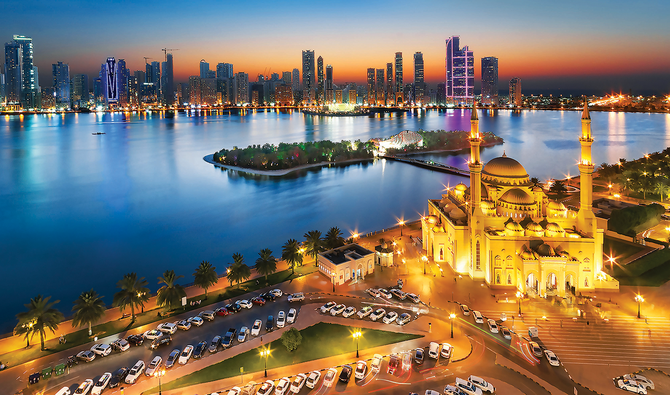
Sharjah Introduces ‘Sharjah Safe For Tourism’ Stamp
- Aug 04,2020
- Travel Trends Today
To assure tourists that Sharjah’s travel and tourism establishments are looking after their health and safety, the Sharjah Commerce and Tourism Development Authority (SCTDA) has launched the ‘Sharjah Safe for Tourism’ stamp, a mark of assurance given to all establishments in Sharjah which fully adhere to the public health protocols and guidelines aimed at preventing the spread of COVID-19. The stamp follows the measures set out by the World Travel and Tourism Council’s (WTTC) ‘Safe Travels’ stamp, the world’s first global safety and hygiene stamp for travel and tourism. SCTDA, in collaboration with Sharjah Health Authority (SHA), has commenced inspecting various establishments in the emirate to ensure compliance with the required health and safety measures. This latest move is in line with Sharjah’s gradual easing of restrictions to reopen public and private facilities in the tourism sector such as hotels, restaurants, shops, malls, leisure and recreation destinations, including beaches, swimming pools, and golf courses, among others, enabling services to be provided while reassuring visitors of their safety during their visit. Residents and tourists visiting the emirate can look for the ‘Safety Assured’ stamp displayed in the establishment prior to making a booking or upon entry. The stamp is a visual symbol which gives instant recognition of the establishment’s compliance to the precautionary measures being implemented by the government, reassuring consumers of the safety of the location. Khalid Jasim Al Midfa, Chairman, SCTDA, said, “Sharjah has always maintained the emirate as a safe destination for tourists and we continue to keep these standards high especially amidst global efforts to curb the spread of COVID-19. Our main priority is the health and safety of residents and visitors alike, which led to the development of the ‘Safety Assured’ stamp, employing the protocols set by the World Travel and Tourism Council under their ‘Safe Travels’ stamp programme to assure tourists of a secure and relaxing experience at every stage of their journey and stay in Sharjah.” He further added, “We have outlined the precautionary measures for all hotels to ensure their guests can enjoy the establishment’s facilities with full confidence. SCTDA continuously monitors premises to ensure compliance with precautionary measures to make sure they are fully prepared to receive guests with the highest standards of hygiene and safety.” Abdulla Ali Al Mahyan, Chairman, Sharjah Health Authority (SHA), said, "Sharjah has always remained keen on applying the latest in international standards and best practices, particularly in the field of health and safety to ensure that the emirate’s citizens, residents and visitors are well protected. In line with this, the Sharjah Health Authority is working in close partnership with the SCTDA to implement the required preventive measures ensuring public health and health security. We are confident that the 'Sharjah Safe for Tourism' stamp will serve as an incentive and visible symbol of reassurance. We call on all establishments and individuals in the emirate to adhere to the comprehensive preventive and precautionary measures to help prevent and eliminate this pandemic." SCTDA will exclusively grant the stamp to organizations which comply with the international health protocols as well as local guidelines. The establishment may display the stamp on their websites, marketing collaterals and other platforms that are visible to the public. There are several guidelines being implemented, including the use of thermal scanners and cameras at entrances and restaurants enforcing two-meter social distancing between tables. Sharjah has received the ‘Safe Travels’ stamp from WTTC, which is testament to the city’s efforts to implement safety protocols in line with international standards. The ‘Safe Travels’ stamp is a self-assessment guideline and is not a certification. It is a mark of confirmation that the countries, destination authorities and companies that have achieved the stamp, have implemented, and will ensure ongoing compliance with the ‘Safe Travels’ protocols.
Read more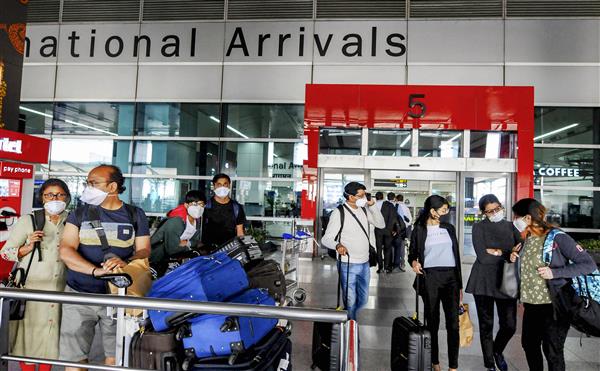
International Air Travel: Centre issues fresh guidelines; passengers to undergo mandatory 7-day paid quarantine
- Aug 04,2020
- DNA
The MoHFW guidelines added that the passengers will have to give an undertaking that they would undergo mandatory quarantine for 14 days, including 7 days paid institutional quarantine and 7 days isolation at home. The Union Ministry of Health and Family Welfare (MoHFW), on part of the central government, has issued fresh guidelines for international air passengers arriving in India. The new guidelines are set to come into effect from August 8. All international air passengers will have to compulsorily submit a self-declaration form on the official online portal of the New Delhi Airport -- www.newdelhiairport.in -- at least 72 hours before the scheduled travel. The MoHFW guidelines added that the passengers will have to give an undertaking that they would undergo mandatory quarantine for 14 days, including 7 days paid institutional quarantine and 7 days isolation at home. The Ministry, however, said that 14-day home quarantine may be permitted in cases of human distress such as pregnancy, death in the family, serious illness, and parent(s) with children of the age of 10 years or below. "If they wish to seek such exemption, they shall apply to the online portal (www.newdelhiairport.in) at least 72 hours before boarding. The decision taken by the government as communicated on the online portal will be final," the guidelines stated. Travelers may also submit a negative RTPCR test report on arrival in order to seek exemption from institutional quarantine. The samples for the COVID-19 test should have been collected a maximum of 96 hours prior to undertaking the journey. The passenger will have to upload the test report on the portal for consideration.
Read more
India unlock 3.0 guidelines: Interstate travel rules in the country
- Aug 04,2020
- Times Now
The government, as part of India Unlock 3.0, has allowed interstate travelling in the country without restrictions. However, there are some states that have imposed travelling restrictions to control COVID-19. From 1st August, India entered "Unlock 3.0", which is the third phase of easing lockdown restrictions in the country. The central government has already released guidelines for Unlock 3.0 and they offer fewer travelling restrictions than ever. As per these new guidelines, the night curfew in the country has ended and even interstate travel is freely permitted. However, the central government has also given authority to state governments to assess the spread of coronavirus and formulate policies accordingly. In line with this, several states in the country have decided to continue strict lockdown till 31 August and have imposed travel restrictions. Tamil Nadu government has decided to impose a lockdown in the state till 31 August. Interstate travelling to and from the state will be regulated, which means a valid movement pass will be required to cross the state border. Maharashtra, which has the highest number of COVID-19 cases in the country, ha decided to extend statewide lockdown till 31 August. However, the authorities noted that they will be announcing several relaxations over the next few days. But till then, interstate travelling from and to Maharashtra will be regulated. West Bengal government had decided to impose complete lockdown on 5th, 8th, 16th, 17th, 23rd, 24th, and 31st of August 2020. The authorities have banned the use of personal vehicles for non-essential activities. Even the state borders will be tightly regulated on the days of complete lockdown, which means only travellers with a valid travel e-pass will be allowed to cross the state border. In the light of increasing COVID-19 cases, Bihar, Assam, and Chhattisgarh have extended the lockdown till 16 August, 15 August, and 6 August, respectively, while Nagaland and has extended the lockdown till 31 August. This means that interstate travelling in these states will also be regulated.
Read more