

STB brings on community initiative to spark travel interest across Southeast Asia
- Jul 14,2020
- Travel Daily Media
The Singapore Tourism Board (STB) has unveiled #TravelThrowback, a community effort aimed at uniting passionate travellers to promote the beauty of Southeast Asia. While travel restrictions may still be in place in many parts of the world, this social media initiative is intended to spark interest in Southeast Asia and encourage travellers to prioritise Southeast Asia as a region to explore once international travel resumes fully. John Conceicao, executive director of Southeast Asia of the STB said: “Tourism has been one of the key economic sectors in Southeast Asia that has been hit the hardest in the last few months. When border restrictions are lifted, travellers are likely to make short-haul trips within Southeast Asia rather than plan long-haul holidays. We hope that the initiative can showcase the beauty of our region and inspire travellers to explore the hidden spots within Southeast Asia.” STB will work with various local partners in each Southeast Asian country to welcome other national tourism organisations, tourism providers and travel stakeholders to be a part of this effort to inspire wanderlust for Southeast Asia.
Read more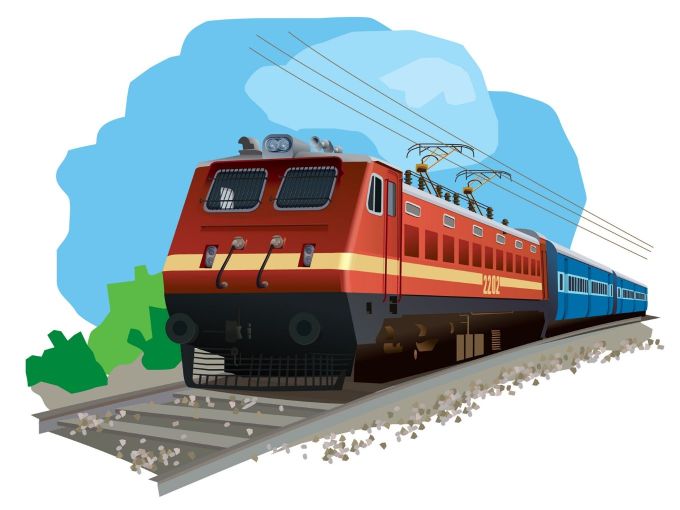
Railway Aims To Make Train Journey Safer With 20 Tech Solutions
- Jul 14,2020
- Inc 42
The Indian Railways board has decided to incorporate 20 innovations to make rail journeys safer and more comfortable. These innovations have been developed by the railway department and its employees. According to a Mint report, these tech solutions include bell warnings to alert travelers minutes before a train departs, real-time CCTV monitoring inside coaches, the printing of unreserved tickets through mobile application on a mass scale. The department has already issued an order to all zonal general managers and production units to gear up for implementation of the innovative ideas within the next three months. Railway’s Offering To Make Journey Safer The North Central Railway has developed a vehicular system for ultrasonic flaw detection of rails. Currently, the Indian Railways are carrying these tasks manually. The Malda division of the Eastern Railway uses pyrometers to monitor speed and temperature of tracks, meanwhile, the carriage and wagon department of the Allahabad division of North Central Railway has developed a detector for hot axle box in running trains that can prevent possible derailment due to seizure. The North Central Railway has also developed a system for real-time monitoring inside trains. As an experiment, it has also installed the real-time surveillance system inside the 18 coaches of Humsafar trains that run across popular routes. The train was launched in 2016 and is equipped with facilities like GPS-based passenger information system, and fire and smoke detectors. The CCTV display unit is provided in the guard’s compartment and the video can be recorded to be viewed later. The railway department aims to quickly resolve crimes onboard trains. Trains Set To Get More Comfortable To start with the bell system, which is developed by the Allahabad division of the Indian Railways, will alert the passengers at the platforms two minutes before departure. The system is currently being used in platform number one of the Allahabad junction railway station. The Western Railway’s national water coolers have been installed at Borivali, Dahanu Road, Nandurbar, Udhana and Bandra railway stations. It does not use any electricity and costs INR 1.25 Lakh per unit. The system can last up to 10 years, the railway department has claimed. Besides this, the Allahabad railway station also uses air quality monitoring equipment developed by North Central Railway. The Indian railway department is also looking to go contactless for the long run by incorporating a system that can issue unreserved tickets through mobile apps and bluetooth printers. The system, too, has been developed by Northern Railway. Earlier this year, RailTel chairman and managing director Puneet Chawla said that the Indian Railways will rely heavily on technology as it focuses on the satisfaction of employees and passengers as well as in train operations to ensure safety, punctuality and line capacity. Speaking at the industry summit in Bhubaneswar, he noted that the government’s plans for the future of technology interactions within railways include the internet of things (IoT), big data and artificial intelligence. Over 1.4 Mn passengers use the Indian railway service every day, with over 71.42% of the tickets booked online.
Read more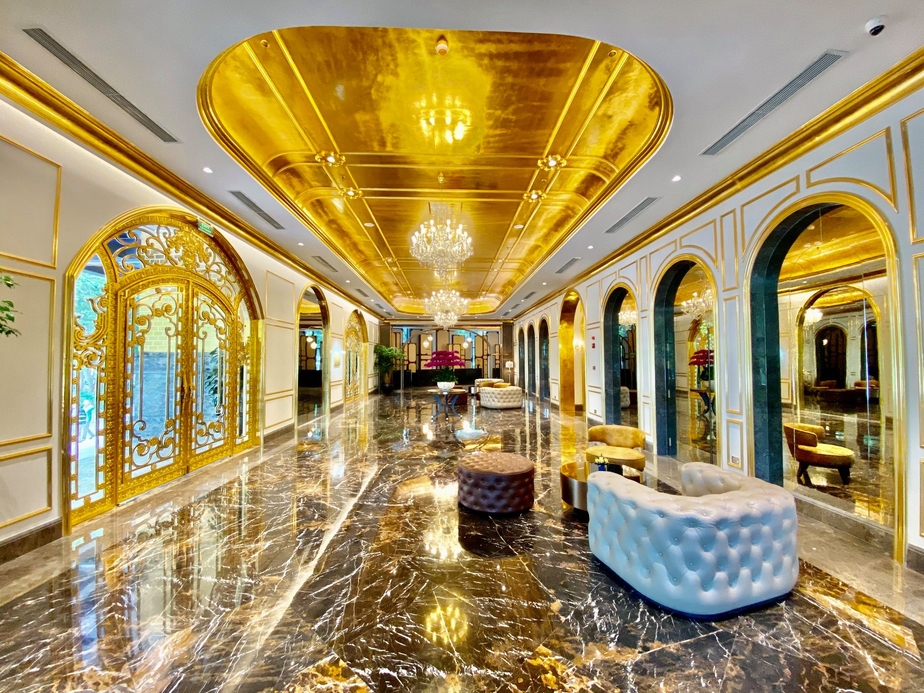
World’s first gold-plated hotel opens in Vietnam's capital Hanoi
- Jul 13,2020
- Hotelier India
The 25-storey hotel has been constructed at the cost of $200 million with 24-carat plating across lobbies, an infinity pool, and rooms with cutlery, cups, showerheads and toilet seats decked in golden treatment. The world’s first self-proclaimed gold-plated hotel has opened its doors in Vietnam's capital Hanoi. Since its opening on July 2, the five-star luxury property—Dolce by Wyndham Hanoi Golden Lake has been garnering rave reviews for its unique architecture coated in gold. Its exterior as well as many parts of the interiors, including bathroom appliances and the infinity pool, is overlaid by 24K gold. The 25-storey hotel has been constructed at the cost of $200 million with 24-carat plating across lobbies, an infinity pool, and rooms with cutlery, cups, showerheads and toilet seats decked in golden treatment. The cost of stay at the hotel is USD 250 (Rs 18,716) a night. According to reports, the hotel is 5,000sq.mt of gilded ceramic on the outside and guests are welcomed in a gold lobby. The hotel is owned by Hoa Binh Group and managed by US-based Wyndham Hotels & Resorts Inc.
Read more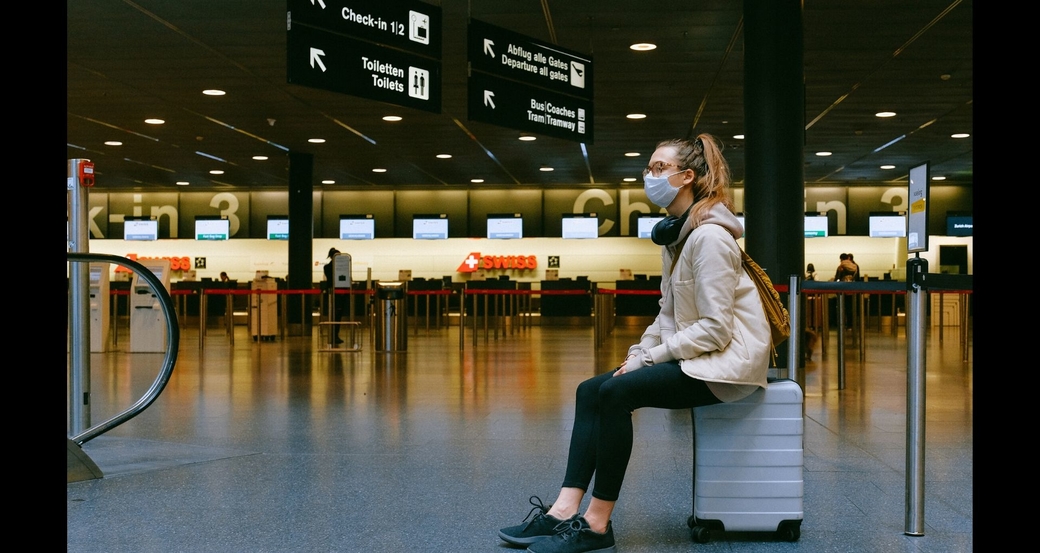
Travellers should ‘wear to care’ in the new normal says WTTC
- Jul 13,2020
- Hotelier India
The World Travel & Tourism Council (WTTC) has called upon all travellers to don protective face masks to show they ‘wear to care’ in the new normal of travelling. As countries transition from lockdowns to reopening their borders, the wearing of face masks helps signal the return of safer travels, while also providing personal protection for users as well as those around them. The advice from WTTC in favour of mandatory mask wearing comes from evidence that countries which are recovering faster and avoid second COVID-19 spikes are those where the use of face masks have been widely enforced and encouraged. Following medical guidance from the Harvard T.H. Chan School of Public Health, WTTC advises the wearing of masks on all forms of transport throughout the entire traveller journey, as well as when visiting any interior venue or those with restricted movement which results in close personal contact of two metres or less. WTTC has asked governments around the globe to enforce the wearing of face masks, as well as enlisting the support of the private sector to remind customers of their obligations to protect their health and that of fellow travellers. Travellers around the world are being encouraged to join in the WTTC social media campaign which is launching with the hashtag #wear2care. Embracing the use of face masks will reduce the risk of transmission, protect the user and those around them, as well as reintroducing a sense of normality. as we learn to live with the virus until a vaccine is found. The new recommendations follow in the wake of WTTC recently issuing its new guidelines for Safe & Seamless Travel including testing and tracing to ensure people can enjoy Safe Travels in the ‘new normal’. Frequent handwashing and using hand sanitiser complement the use of face masks which can significantly reduce the risk of COVID-19 transmission. Gloria Guevara, WTTC President & CEO, said: “The safety and hygiene of travellers and those who work in Travel & Tourism is of paramount importance, which is why we now strongly recommend masks being mandatory. “‘Wear to care’ promotes the protection of face mask users and visibly shows they care about the welfare and safety of their fellow travellers, which will help save lives and encourage the return of Safe Travels. “The wearing of masks should not be politicised. Wearing a mask needs to become part of everyday life to ensure everyone enjoys travelling in safety until a vaccine for COVID-19 is found. We implore the private sector and global governments to encourage their use so wearing a mask becomes the new normal.” Ramon Sánchez, Principal Investigator and Research Associate at Harvard University, T.H. Chan School of Public Health, said: “Wearing face masks has been proven to provide the highest level of protection against transmission at 82%. Constant hand hygiene and surface cleaning, which kills more than 90% of viruses that are found on surfaces, also prevents the virus from reaching the face from the hands. “The public should keep a two metre distance whenever they can, however if that simply isn’t possible, people should increase the ventilation around them. Inside buildings this can be done by opening doors and windows which decreases the viral concentration by more than 70%. “Mechanical ventilation, such as air conditioning decreases it by 80%, while going outdoors proves more effective by decreasing the viral concentration between 90% and 95%.” WTTC has led a series of initiatives designed to rebuild global consumer confidence and encourage the return of Safe Travels. Safe Travels Protocols were developed for the global Travel & Tourism sector which focused on measures to drive business to car hire companies, airports, tour operators, attractions and short short-term rentals among many other travel sectors, to enable them to follow strict health and hygiene regimes when re-opening their businesses. The welfare of travellers and the millions of people working across the Travel & Tourism sector is central to the protocols. In addition to being backed by the United Nations World Tourism Organization (UNWTO) they were also widely embraced by thousands of businesses around the world. Travellers around the world can get involved with the WTTC campaign by sharing pictures of the themselves proudly travelling with their masks and sharing the hashtag #wear2care.
Read more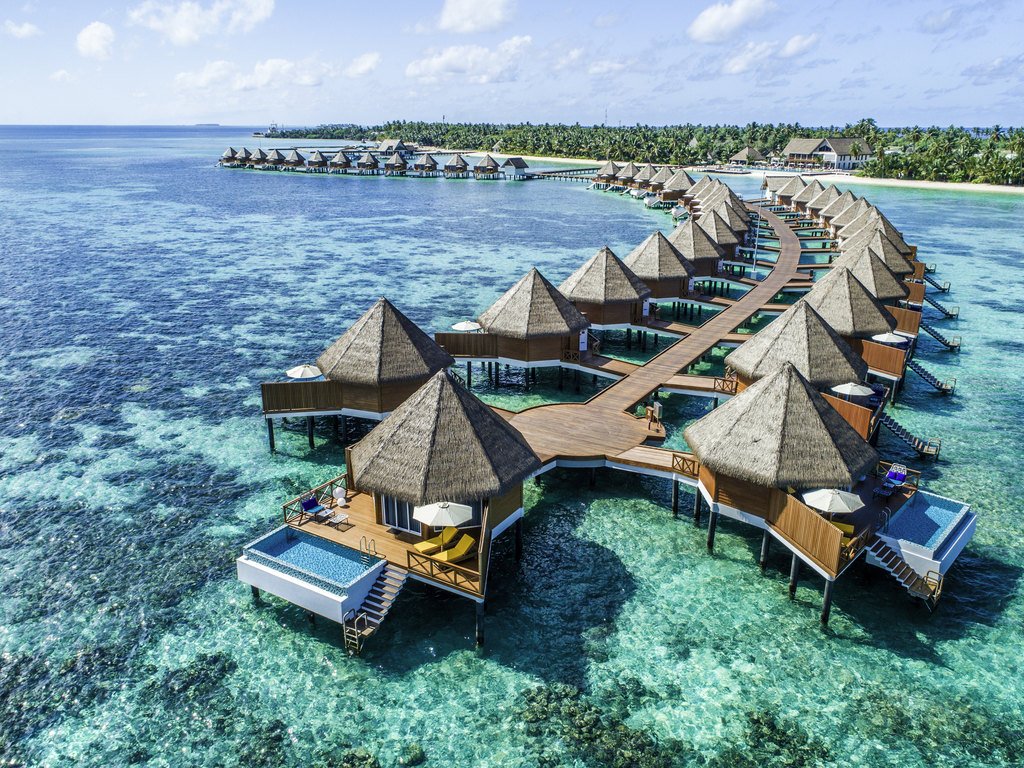
As Maldives reopens, India is likely to create special air bubble
- Jul 13,2020
- The Indian Express
India is considering establishing an air bubble or air travel bridge to the Maldives, which reopens for tourists on July 15 after a four-month shutdown due to the Covid-19 pandemic. The Maldives government has made a formal request in this regard to New Delhi, and an agreement may be reached in the next two or three days, The Indian Express has learnt. President Ibrahim Solih announced on June 23 that the atoll nation would reopen resorts on its islands on July 15, and hotels in the populated centres, including in the capital Malé, on August 1. Visas will be free, on arrival, and there will be no compulsory quarantine. As of July 11, Maldives, which has a population of a little over 500,000, had 2,681 confirmed Covid-19 cases, of which 2,238 had recovered, and 13 patients had died. Since June 2, the country has had fewer than 50 daily positive cases – and even though this number rose to 64 on Saturday, it is considered a low corona-risk country. Establishing the air corridor will send out a strong signal of solidarity with the Solih government and the Maldives, government officials said. The economy of the Maldives, located to the southwest of India in the Indian Ocean, is almost entirely driven by tourism, which makes up 70 per cent of its GDP. The air bubble, officials said, would be a “special gesture” to a country with which India has had traditionally warm ties, but where in recent years, it has had to contend with growing Chinese influence. An air bubble would enable a limited number of flights to operate from select Indian airports to the Maldives even before Indian airports open to regular international flights. Sixteen international airlines have announced flights to the Maldives from July 15. While it remains to be seen how many Indian tourists might head to the islands at this point, the bubble will facilitate the return of some 6,000 Indians employed in the hospitality, health, and education sectors in the Maldives. They were evacuated by the Indian Navy to India in May. As many as 25,000 Indians work in the Maldives. Only two years ago, when relations between the two countries had dropped to their lowest point during the emergency imposed by then president Abdulla Yameen, job advertisements announced that “Indians need not apply”. Even those Indians who had got jobs before the crisis were not given visas. The matter was resolved in the months after Solih was voted to office in September 2018. The Maldivian government is laying out the red carpet for tourists with visas on arrival (Indian tourists had this facility before the pandemic, too), and no tests except for those with symptoms on arrival. Those who test positive will have the option of isolating themselves at their resort. According to Maldives media reports, 1,66,000 Indian tourists visited the country in 2019, more than double the previous year’s number. Only Chinese tourists arrived in bigger numbers (over 2,84,000). Indian tourists will also be tested a day before their departure from the Maldives, which officials said was a gesture by the Maldivian government to ensure that infected persons were not sent back.
Read more
Jammu & Kashmir restarts tourism from tomorrow
- Jul 13,2020
- Live Mint
The Jammu and Kashmir administration will throw open the union territory to tourists once again from tomorrow but in a phased manner. In the first phase, tourism sector will be partially opened for external visitors from outside Jammu and Kashmir, limited to tourists arriving by air only. "All incoming tourists must have confirmed hotel bookings for the duration of their stay. All incoming tourists must have confirmed return air tickets to any place outside J&K, either to their departure point or any other destination," an official order said. RT-PCR testing of all tourists at the airport on arrival is also mandatory. "Till the test result shows a negative result for COVID 19, a tourist will remain in the hotel where booking has been made and shall not be permitted to move out. A form to this effect shall have to be signed at the airport. Test results will normally arrive within 24 hours except in special circumstances. The hotel management shall be required to ensure compliance with this protocol," the order read. Those found violating the order shall attract penal action under the Disaster Management Act, 2005. The administration has advised tourists above the age of 65 years to avoid coming to the union territory. The tourism sector, the backbone of J-K's economy, was the worst hit by the outbreak of the coronavirus pandemic and the subsequent nationwide lockdown in March. On July 8, the government opened gardens and parks to the public after 100 days of closure. According to the rules, taxis /transport facilities have to be pre-booked through hotel/travel agency, for which procedures will be put in place by Tourism department.
Read more