Indonesia to permit travel to and from 4 countries

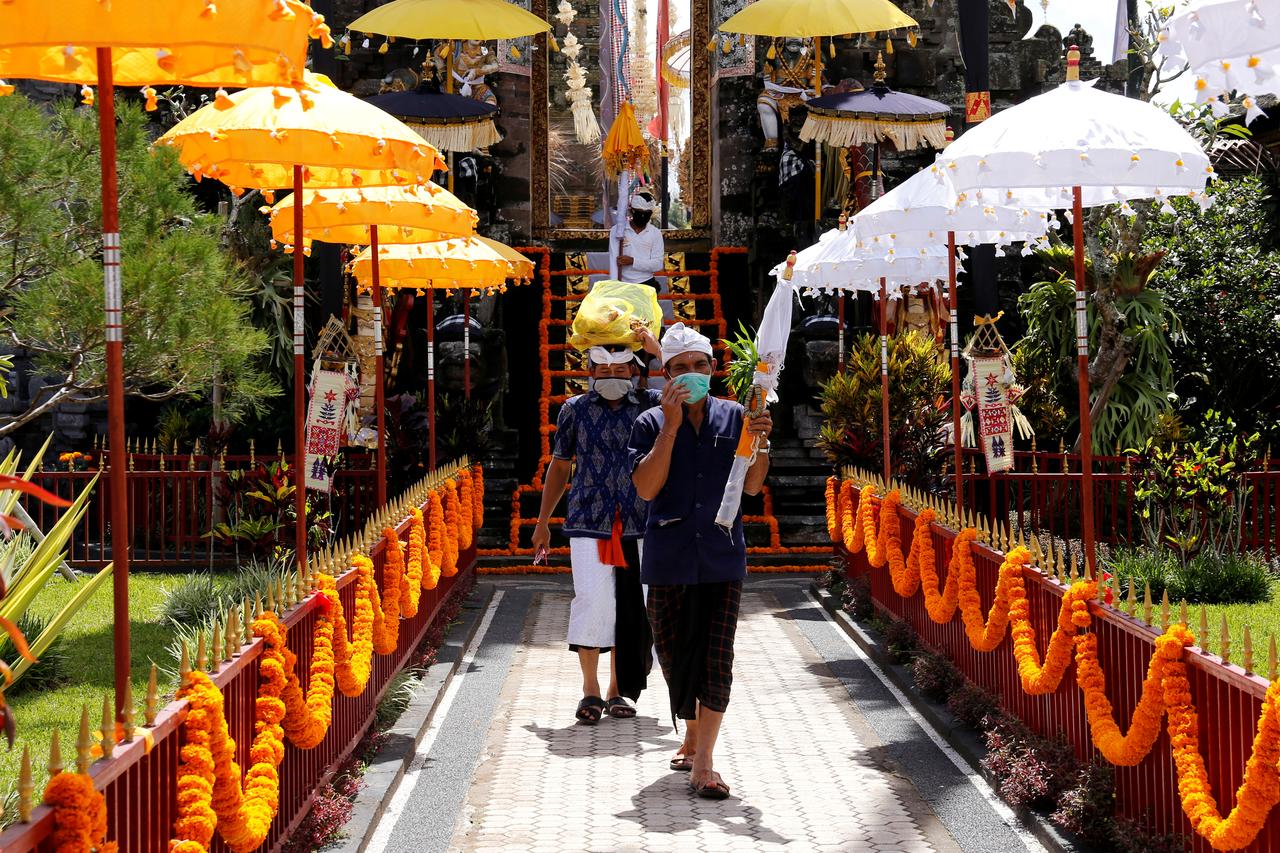
JAKARTA: Indonesia has been drawing up a plan to allow the resumption of travel to and from four countries, including Japan, in an effort towards economic recovery after the tourism sector has been hit especially hard by the coronavirus pandemic, a government official said on Friday. "Our colleagues at the Ministry of Foreign Affairs are currently designing travel bubbles for four countries -- China, South Korea, Japan and Australia," Odo Manuhutu, a deputy coordinating minister involved in tourism issues, told a press conference. According to Manuhutu, discussions have been ongoing to set up criteria for permitting travel between Indonesia and the four countries. Such exceptions to travel restrictions between countries have been referred to as travel bubbles, travel bridges or corona corridors. "After the criteria are made, negotiations will be held with those countries for two, three or four weeks. When agreements are reached, the travel bubbles will be opened," he said, adding that there have been many requests from countries seeking to resume travel on certain routes. The arrangements with the four countries will be "prototypes" before other travel routes are opened, Manuhutu said. He indicated that the four countries were selected because "their investment has helped Indonesia's economy a lot." Travel agents hopeful Thailand says China, Japan keen on travel bubbles Direct flights, such as from Seoul to Jakarta or Osaka to Bali, will be encouraged when the travel corridors are created, "because people now avoid transits" due to concern about transmission of the new coronavirus on multi-flight routes, the deputy minister said. The government has slowly reopened some tourist destinations across the country despite the continued high risk of the new coronavirus spreading. Recovery of domestic tourism has been the first target before the country reopens to tourists from abroad. The tourism sector in Indonesia faces potential losses of $4 billion due to the drastic decline of foreign tourists and 60 trillion rupiah (US$4.1 million) due to fewer domestic tourists from January to April.

Read more

Dubai Tourism outlines mandatory 14-day quarantine for returning residents

Dubai Tourism has released new guidelines for arrivals into Dubai, including a health check on arrival and a mandatory 14-day quarantine. The quarantine can take place in an approved hotel or private home, so long as your dwelling meets certain criteria. These include having access to a separate bathroom, being able to live separately from other people in the residence, and not living with anyone who is over the age of 60 or who suffers from a medical condition. According to Emirates.com, a health declaration form and quarantine declaration form must be printed out and filled in, for presentation on arrival in Dubai. Travellers coming back to the UAE will have to: - Fill out a healthcare declaration upon arrival in the UAE, indicating any symptoms of illness - Undergo a medical test and complete a mandatory 14-day quarantine, in your home or an approved hotel - The 14-day quarantine must be completed, even if your Covid-19 test comes back negative - Travelling out of the UAE for summer - For residents who are in the UAE but dreaming of a summer escape abroad, those travel plans come with a warning from the Ministry of Foreign Affairs UAE. While the ministry has stated they have no objections to UAE residents leaving the country over summer, priority in returning to the UAE will be given to the 200,000 residents who’ve been stuck outside the country since March.

Read more

Madhya Pradesh reopens tourism sector for domestic travellers

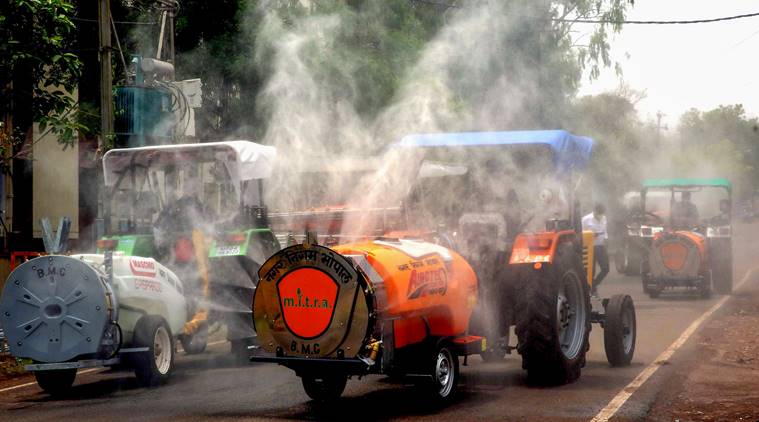
Close on the heels of Rajasthan government reopening some of its important monuments and tourist sites, the Madhya Pradesh government on Friday signalled the opening up of its tourism for domestic travellers, announcing reopening of its state-run hotels and resorts, along with several private hotels at tourist destinations. Meanwhile, its forest department also issued a circular regarding re-opening of national parks such as Panna, Ratapani and Bandhavgarh from June 15. Speaking to The Indian Express, Sonia Meena, Additional Managing Director, Madhya Pradesh Tourism Board said: “We have opened up various tourist destinations pertaining to wildlife, heritage and pilgrimage, owing to their huge potential. This will also give a sense of ‘returning to normalcy’.” She added that the authorities have sanitised and fumigated the premises of all such sites. “We are ensuring all hygiene and social-distancing norms and SOP issued by the Ministry of Tourism,” she said. Officials say the first segment of travellers the state is expecting are people from within and neighbouring states. Madhya Pradesh is surrounded by five states, and has a good road network connecting major tourist destinations. As per the combined data of various survey agencies, domestic tourist footfall in the state for April 2019 was over 57 lakh, and for May 2019, it was around 50 lakh, while the numbers from the same months this year demonstrated a washout in the wake of Covid-19 lockdown. In April 2019, as many as 30309, while April this year recorded no new footfall. Officials in the state’s tourism department add that even as it seems premature to talk about tourism figures in the post-Covid world, but “this reset period is for retrospection and make strategy for future tourism activities when normalcy returns. While the state witnessed a steep revenue decline in the wake of lockdown, it sees a great potential in domestic tourism to cover some lost ground. “The first segment of the travellers we are looking to attract are people from neighbouring states coming to visit our wildlife, heritage, religious and adventure tourism sites because we are surrounded by five states and it is very easy to travel by car from neighbouring states to Madhya Pradesh,” says a statement by the state government.

Read more

Govt relaxes 14-day quarantine rule for crew of flights on which passengers test corona positive

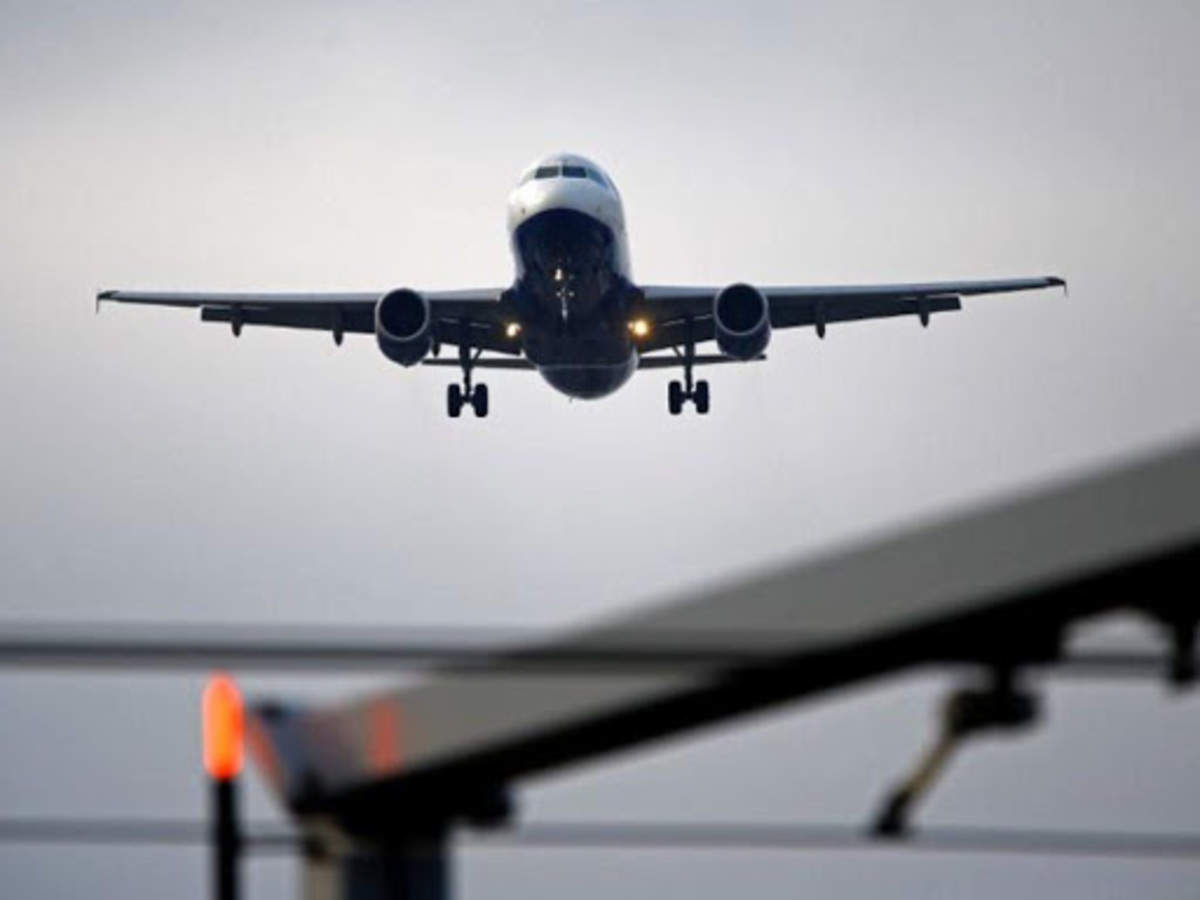
NEW DELHI: In a breather to Indian carriers, the health ministry has relaxed its requirement that crew of a flight on which passenger/s or fellow crew member/s test corona positive should mandatorily undergo 14-day home quarantine. Airlines had told aviation ministry that this rule could lead to a shortage of crew for operating domestic flights, which were allowed to resume from March 25, and the latter, in turn, raised this issue with the heath ministry. Now, health authorities have dropped the 14-day home quarantine requirement for crew after concluding that there is “minimal” risk of the flu transmitting from an infected passenger to crew as the latter are using full personal protection equipment (PPE). Further, with no onboard service on flights, the crew-passenger interaction is also very low reducing the risk of transmission of infection. Airlines have been asked to do their own risk assessment and accordingly formulate policies for crew of flights on which a flyer/crew member tested positive. Health ministry joint secretary Alok Saxena on Friday replied to his aviation ministry counterpart Rubina Ali, who had earlier raised the issue of “difficulties being faced by crew members of airlines in wake of resumption of domestic operations (and that) significant number of crew members across all airlines may become non-operational due to quarantine rules.” Saxena’s letter says the health ministry examined it. “Based on expert opinion, (it has been noted) airline crew are wearing full PPE (including N96 mask) during fight. Further, crew is also not serving any food/snacks to passengers. In addition to this, all passengers have to undergo mandatory screening and have to wear masks throughout the light. Hence, the possible risk of crew getting infection from any suspect passenger is minimal.” “Therefore, it is advised that risk assessment for the crew be done by airlines’ doctor and should be advised for testing as per ICMR guidelines. The concern regarding 14-days home quarantine should be assessed during the risk assessment and it should be advised to such crews who have the history of contact with a COVID -19 case during the fight operations. Such information should be shared by the airlines with concerned Airport Health Organisation for coordinating with state governments. Further, all crew members must be advised to download Arogya Setu app and monitor their health through the same,” Saxena’s letter adds.

Read more

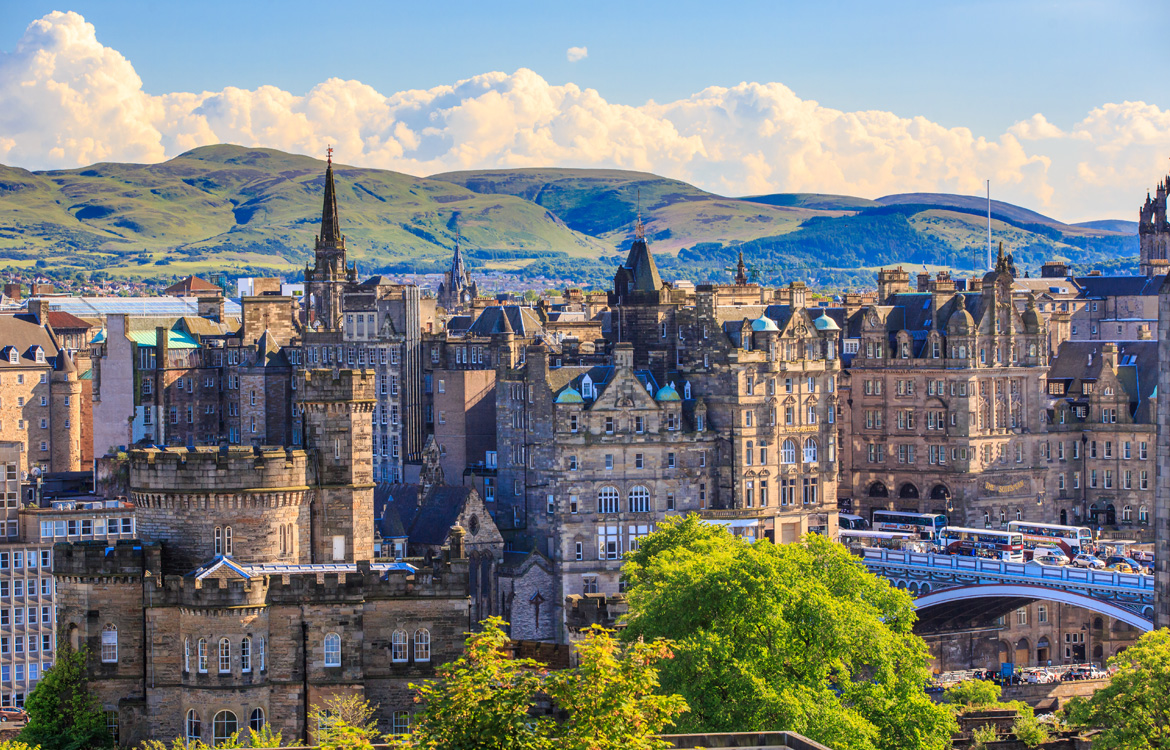
Scotland likely to reopen for tourism from July 15

Scotland is likely to reopen for tourism from July 15. As per the latest reports, this will, however, depend on the progress toward phase 3 of the route map of the Scottish government. Tourism Secretary Fergus Ewing hinted that the date might be changed depending on the status of COVID-19 spread. The Tourism Secretary announced that they will appoint a new task force that will check on the recovery needs of the tourism sector. The task force will also keep a check on the actions taken by the UK Government, apart from developing a new domestic visitor marketing campaign. Mr Wing added that in addition to the £2.3 billion package to support businesses across Scotland, which included measures specific to the hospitality and tourism sector, such as specific grant schemes among other things. He further stated that the Coronavirus outbreak has presented challenges across the entirety of Scottish economy, and it is quite clear that the exceptional circumstances of this sector need to be recognised. The Tourism Secretary stated that the Scottish Government was also asking the UK Government to push in more reliefs like reviewing VAT rates, and also consider extensions to certain schemes such as the Coronavirus Job Retention Scheme. Businesses need to start preparing themselves for a provisional return to trading; however, with appropriate safety measures in place on July 15, the Tourism Secretary added. Although the date is not definitive, and will depend on the progression to phase three of the route map. Therefore, businesses now need to use this time to get in place all necessary regulations and, at the same time, adapt to a new way of living. Reportedly, the Scottish Government has confirmed that this announcement applies to hotels, pubs, and restaurants.

Read more

Weekend, holiday travel curbs in Punjab

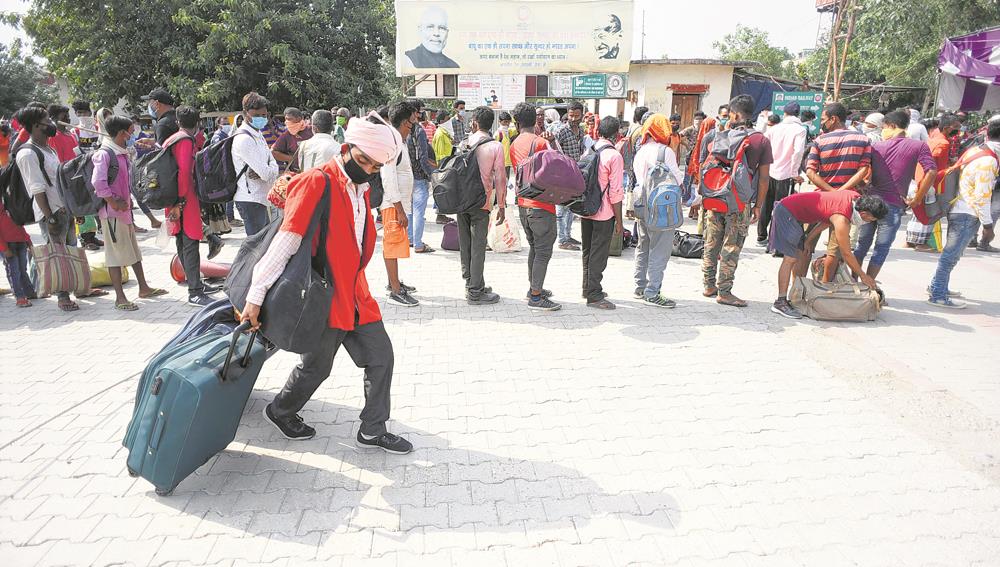
Restrictions on public movement are back in Punjab with a surge in Covid-19 cases and reports of community spread amid projections that the pandemic peak in the state is still two months away. Chief Minister Capt Amarinder Singh today ordered stricter lockdown on weekends (Saturdays and Sundays) and public holidays, restricting movement to e-pass holders. Till Thursday evening, the state had reported 2,887 cases, while the number was 2,415 on June 4. Such surge was not witnessed earlier, said a government spokesperson, adding the restrictions would come into effect immediately and the decision would be reviewed as per the prevailing situation later. All citizens, barring medical staff and essential service providers, would be required to download e-passes from state government's COVA app, the CM said during a meeting held via video-conferencing to review preparedness. Industry, however, would be allowed to function normally on all days, he said, asking the state police to ensure strict implementation of the directives to prevent large gatherings. The CM said tough measures were necessitated on account of spiralling cases across the world. Stringent curbs could help delay the peak, which experts say would hit in two months. With no early vaccine or treatment in sight, following strict protocols is the only way out, the CM observed. A decision on stricter curbs on those coming from Delhi would be taken after a review by experts, said the spokesperson. Pointing out that many of those who had come from outside had behaved irresponsibly and not reported to the health authorities, the CM said tough measures would have to be taken. The CM asked health experts to consider imposition of stricter conditions, including mandatory testing certification for entrants from Delhi, where cases are rising substantially. On an average, 500-800 vehicles from Delhi were entering Punjab every day, said DGP Dinkar Gupta. The CM suggested those coming from other states should be tested a week after their arrival and during the period, they must adhere to self-quarantine. Referring to complaints of overcharging by private hospitals, the CM directed the Health Department to ensure strict application of the CGHS rates. Data on the availability of beds, etc., must be put in public domain, he added.

Read more