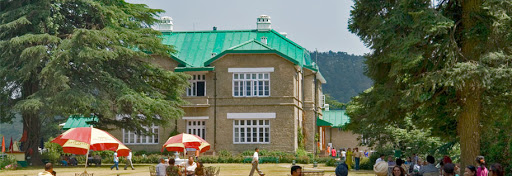
Taj Hotels gets 54 hectares to set up tourism centre in Maharashtra's Sindhudurg

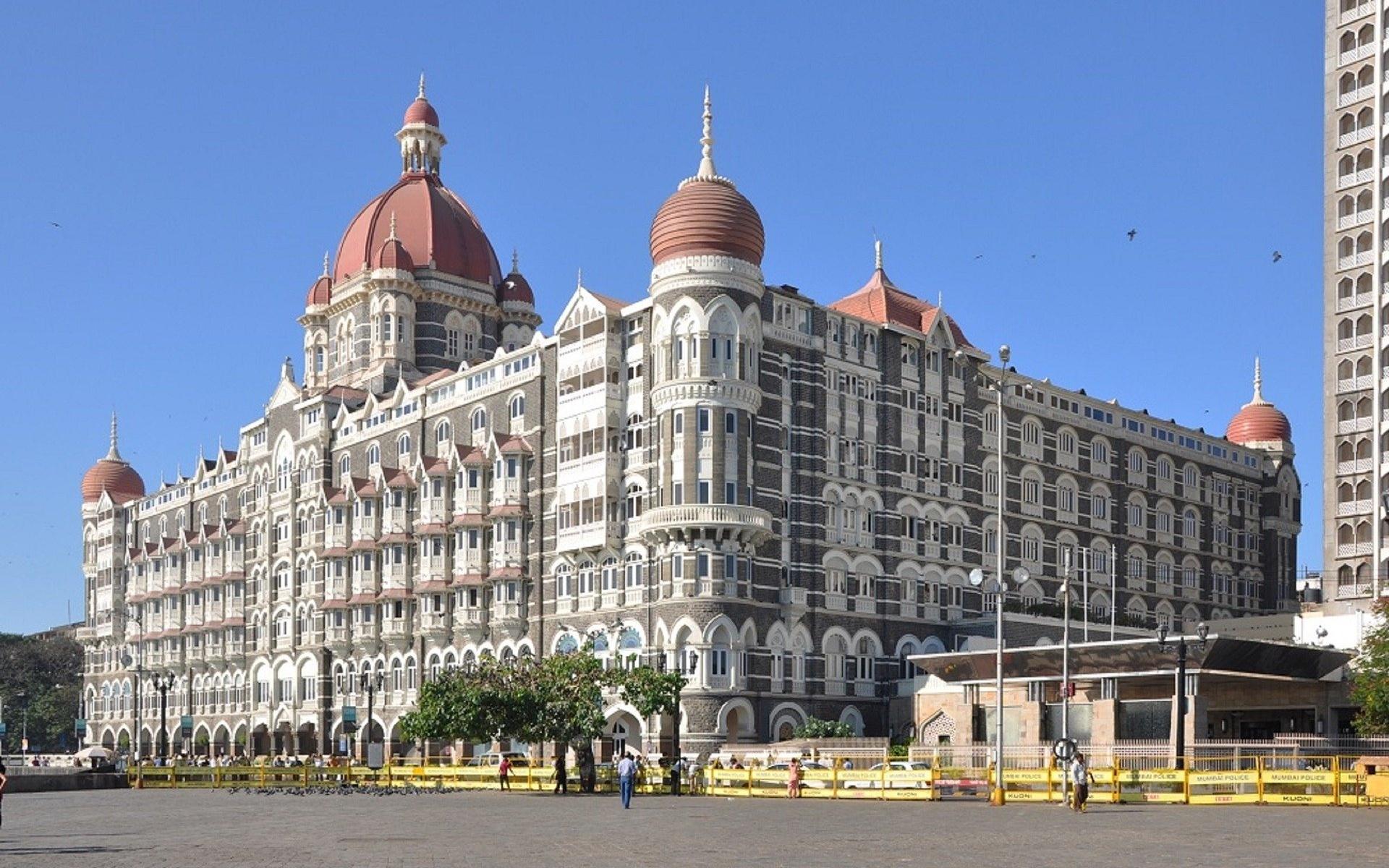
MUMBAI: Maharashtra cabinet on Tuesday approved a proposal to lease land in Vengurla, Sindhudurg, to Indian Hotels Company, the parent company of Taj Hotels, to set up a tourism centre. According to the proposal, 54 hectares in Shiroda Velagar will be given out on lease at a nominal rate to IHC to set up a five-star tourism centre, which will have luxury rooms and cottages. Shiv Sena and NCP have a strong hold in Konkan region, and clearing projects there will help them strengthen their base. Officials said the proposal was envisaged in 1995 after Sindhudurg was named a tourism district. Between 1994-98 part of the land was acquired by Maharashtra Tourism Development Corporation and allotted to the company, but the project did not take off. The state government plans to revive it. The plot will be leased at Re1 rent and one-time premium of 110% of ready-reckoner rate, officials said.

Read more

Malaysia Airlines to resume international flights including India

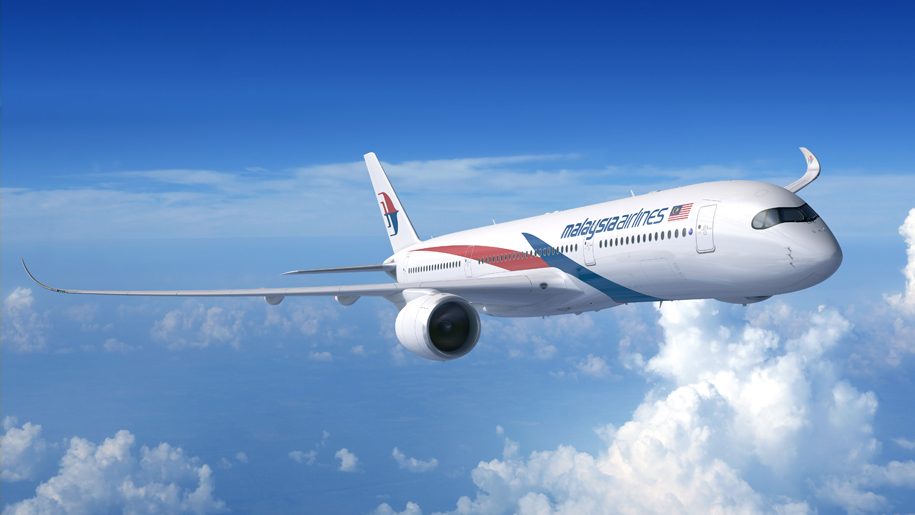
Malaysia Airlines will restart some of its international flights in July to facilitate essential travel, allowing families who have not been able to reunite due to travel restrictions across the globe. The airline informs that passengers are, however, reminded to check entry and exit requirements before their journeys with travel restrictions remaining in place in most countries. The airline said that the carrier will adjust its network capacity from time to time to ensure passenger demands are met, prior to normalising the schedule in October for both domestic and international destinations. From July, the airline will resume some international flights to Singapore, Bangkok, Surabaya, Mumbai, Hyderabad, Chennai, Taipei and Guangzhou among other cities. The airline has also announced to recommence twice-weekly services between Kuala Lumpur and Dhaka, Kathmandu, London, Osaka, Narita, Icheon, Hong Kong, Melbourne, Sydney, Perth, Denpasar, Phuket and Cambodia from July. Full schedule on international and other domestic operations can be viewed here. Malaysia Airlines’ Group chief executive officer, Captain Izham Ismail said, “We are pleased to announce the resumption of our services by increasing capacity to domestic and international routes and we look forward to welcoming our passengers back onboard. We shall continue to ensure their safety, health, as well as their comfort by introducing new initiatives aligned with international safety and health protocols, as part of our commitment to offering passengers peace of mind throughout their journey with us.”

Read more

Air India Bookings From Europe to India Begins From 8 AM GMT Today

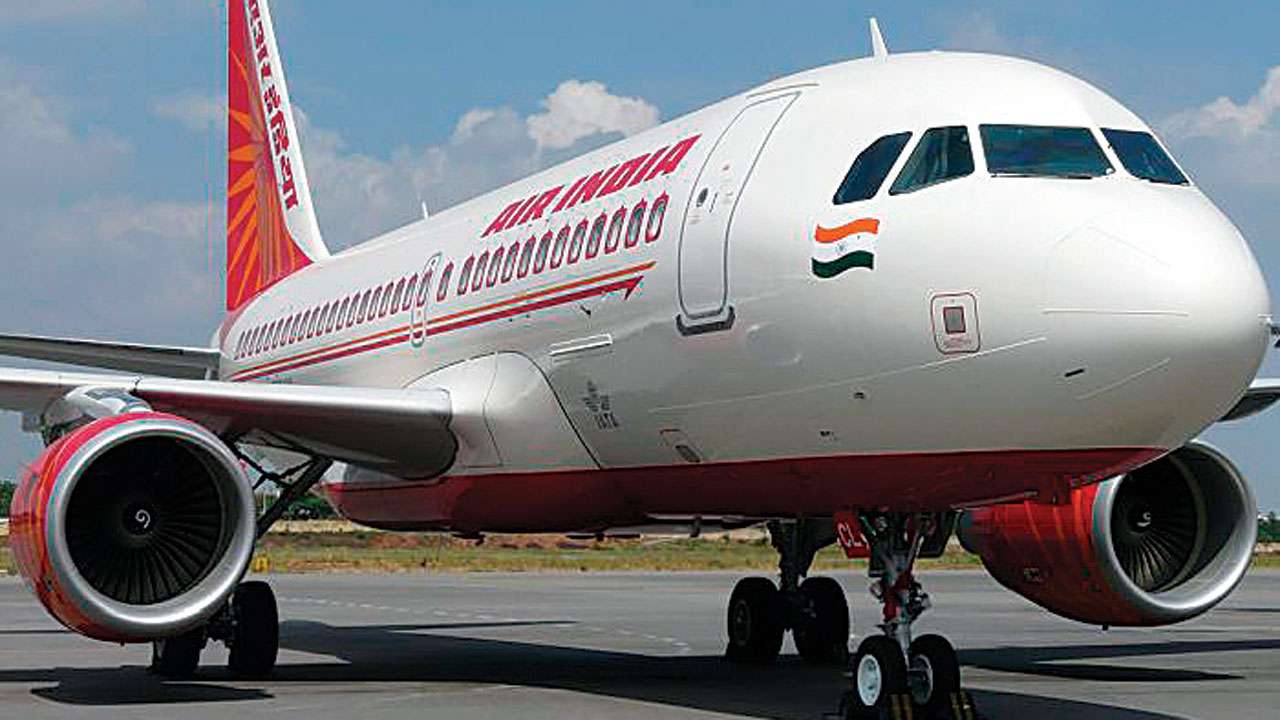
Air India International Flights: For Indians stranded in Europe, Air India will operate special flights to India from June 15 to 30. The booking will begin today at 8 AM GMT (1.30 PM IST). This is under the third phase of Vande Bharat Mission. “Please note that the applicant should be registered with local Indian Embassy/High Commission,” the Air India tweeted. However, it has been found out that many passengers are not being able to book domestic tickets to their home states.However, it has been found out that many passengers are not being able to book domestic tickets to their home states. Boarding a connecting domestic flight from Mumbai, Delhi, Chennai, Bengaluru is not allowed for the international passengers as they will have to undergo the quarantine period. OCI cardholders, covered under the four permitted categories announced by the government of India, are eligible to travel.

Read more

Indian Railways Introduces Touch-Free Wash Basin At Guwahati Railway Station

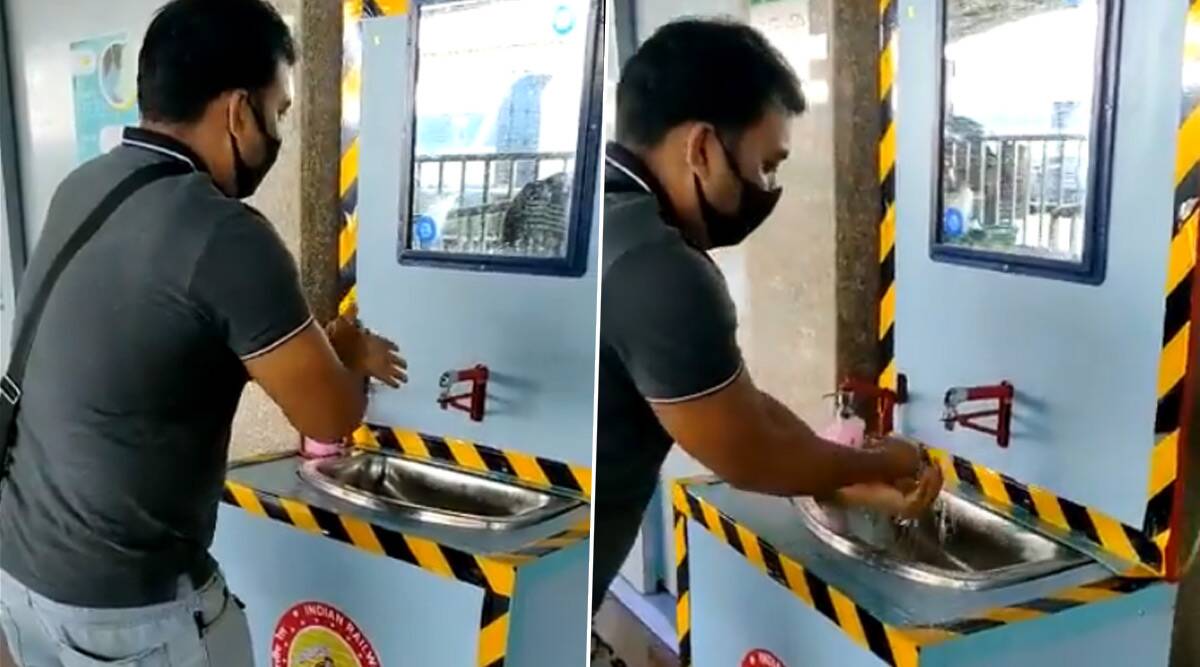
Delhi, June 8: Doctors, health officials and all others in essential services are at the front line in the fight against novel coronavirus. Among them, Indian Railways is also contributing by running shramik trains, special passengers to transport stranded citizens. As the government has advised washing hands frequently with soap and water, there are chances that virus can spread at public places, where people have to touch the tap to wash their hands However, Indian Railways has come up with a smart solution for this problem. The national transporter has introduced touch-free wash basin at Guwahati Railway station in Assam. The user can wash hands without touching the tap or soap dispenser. Train Coaches Turned Into Isolation Wards by Indian Railways Ready For COVID-19 Patients at Delhi's Shakurbasti Railway Station, View Pics. "Touch free wash basin installed at Guwahati Railway Station It is helping passengers wash their hands without touching the tap or soap dispenser. #IndiaFightsCorona," Indian Railways said. Recently, as part of its "Swachh Rail-Swachh Bharat" initiative, the Railways has installed bio-toilets across 68,000 coaches. "A total of 49,487 bio-toilets have been installed in 14,916 coaches during 2019-20. This takes the cumulative number of bio-toilets to more than 2,45,400 fitted in 68,800 coaches with a coverage of 100 per cent," the Indian Railways said in a statement. These developments come at a time when the country is dealing with an unprecedented health crisis caused by COVID-19 and the only way to contain the disease is cleanliness and proper hygiene.

Read more

Hoteliers say no to ‘quarantine tourism’ proposed by Himachal government

The peak of summer tourist season in Himachal Pradesh is over with zero profits. The hoteliers in the state capital, tribal areas and other parts of the state have rejected the state government’s proposed “quarantine tourism” to ramp up the tourism sector badly hit by the lockdown since March 20. According to the hoteliers, the main summer tourist season from April to June was nil and over. “It is not prudent enough to open hotels for tourists amid the surge in the COVID-19 infections in the state and the country as a whole,” they cautioned. The Shimla Hotel and Restaurant Association said “no” to the government’s quarantine tourism, allowing the outsiders to stay in hotels for 14-day long quarantine. The Lahaul and Spiti Hoteliers’ Association, along with other public bodies and panchayats in the tribal belt, have already locked the valley for outsiders, including tourists. Many similar other bodies in Kullu Manali, Chail and Dharamshala have also conveyed their decision not to open the hotels, home-stay units and resorts to tourists for “quarantine tourism”. “If the hotels, resorts and home-stay units are opened, tourists could import the virus, which in turn will pose a risk to the staff, guests and local citizens,” said Sanjay Sood, president, Shimla Hotel and Restaurant Association. “We have conveyed our decision to Chief Minister Jai Ram Thakur and the Tourism Department not to open the properties for quarantine tourism till some vaccine is available and cases recede,” he added. As far as the proposed “quarantine tourism” is concerned, hoteliers do not feel it would be a good step for tourism in Himachal Pradesh, Sood said, adding “this could be unsafe for the employees, our properties, and most importantly, our citizens in towns and villages.” The captains of the hospitality sector said the industry supported the Chief Minister’s decision to close borders of Himachal to tourists to check the import of the virus from outside. All stakeholders came together on a single platform and locked the tribal belt for outsiders as soon the cases started increasing in the state, Ladakh and Jammu and Kashmir in March-April, said Tashi Hayarpa, president, Lahaul-Spiti Hoteliers Association. “Today, we and our children are safe. No case has been reported in Lahaul-Spiti so far. We will not open hotels and monasteries this year. Life is more important than tourism,” he added. Himachal was broadly safe and we did not support the move to open borders for tourism as cases were going to increase manifold in June and July, said the hoteliers. “Since cases are on the rise in Maharashtra, Gujarat, Delhi and Punjab, we should not consider opening hotels till at least end of August or September, unless we have a vaccine to cure COVID-19,” the hoteliers opined. “It does not make sense at this point of time to open the state to tourism till there is normalcy in the domestic and international air traffic and all inter-state borders are open,” said Nakul Khullar, a hotelier from Kullu-Manali, adding that the government must concentrate on quarantine and testing to prevent the spread of the pandemic in the community. To rev up tourism in Himachal Pradesh, the state government should market Himachal as a safe destination for wellness tourism, adventure tourism, environmental tourism, cultural tourism, health tourism, religious tourism, culinary tourism, Sood said. He said the hoteliers would have two to three months to train the employees as per the COVID-19 guidelines to take care of the guests, themselves and the properties. “We suggest the government should take members of all hotel associations of Himachal in the loop for a safe revival of the tourism sector, waiving all charges incurred on the publicity,” Khullar added.

Read more

South Africa's tourism activities and skies open up

South Africa has been globally lauded by key COVID-19 experts for handling the pandemic in an effective manner, slowing down infections and implementing various lockdown measures through a risk adjusted strategy aimed at easing restrictions and opening up the economy and other activities over 5 alert levels. “It is interesting to me the manner in which South Africa is bringing the disease under control. The strategy in South Africa was based on preparation, primary prevention, lockdown and enhanced surveillance,” said Dr Michael Ryan, Executive Director of the World Health Organization (WHO) during a press conference in April. When the risk-adjusted strategy was initially introduced in April, the tourism sector was placed at alert level 1 with some operations permissible at alert level 2. However, over the last few weeks, a lot of consultative work and focus has been placed on both de-risking the sector and putting health & operational protocols in place for the safety of all tourists and employees. These have been benchmarked against measures being rolled out globally. Following industry-wide engagements, there has been a commitment by the South African government, led by President Ramaphosa and the private sector, to work towards a phased reopening of the sector, starting at Level 3. In his recent address to the nation, President Ramaphosa announced that the alert level for the whole country will be lowered from Level 4 to Level 3, with effect from 01 June 2020. Therefore, domestic tourism has opened for business travel and other limited activities, with partial domestic air travel for business purposes allowed. The movements across the levels (including duration & timelines) are dependent on the trajectory of the pandemic. Along with global trends, it is expected that in South Africa, domestic tourism and business travel will lead the recovery followed by regional and international (long-haul) travel. We have noticed some global destinations are now assessing entering the regional phase of reopening through AirBridge/Travel Bubbles between regional countries. As more data becomes available and more safety & health measures being put in place in South Africa, the impact of COVID-19 on the country is being updated and refined. It is therefore extremely important to understand that changes do happen on a regular basis. As such, the tourism sector phases of reopening are reviewed and revised regularly and updates can be found on www.southafrica.net South Africa Tourism said in a statement, "We thank all our trade partners for their continued support. Every day, we are taking a step closer towards seeing more travel restrictions being lifted and borders opening up again. We are looking forward to once again welcoming tourists from all over the world and sharing our beautiful country that boasts scenic landscapes and a wide variety of life-enriching experiences with great service excellence."

Read more