
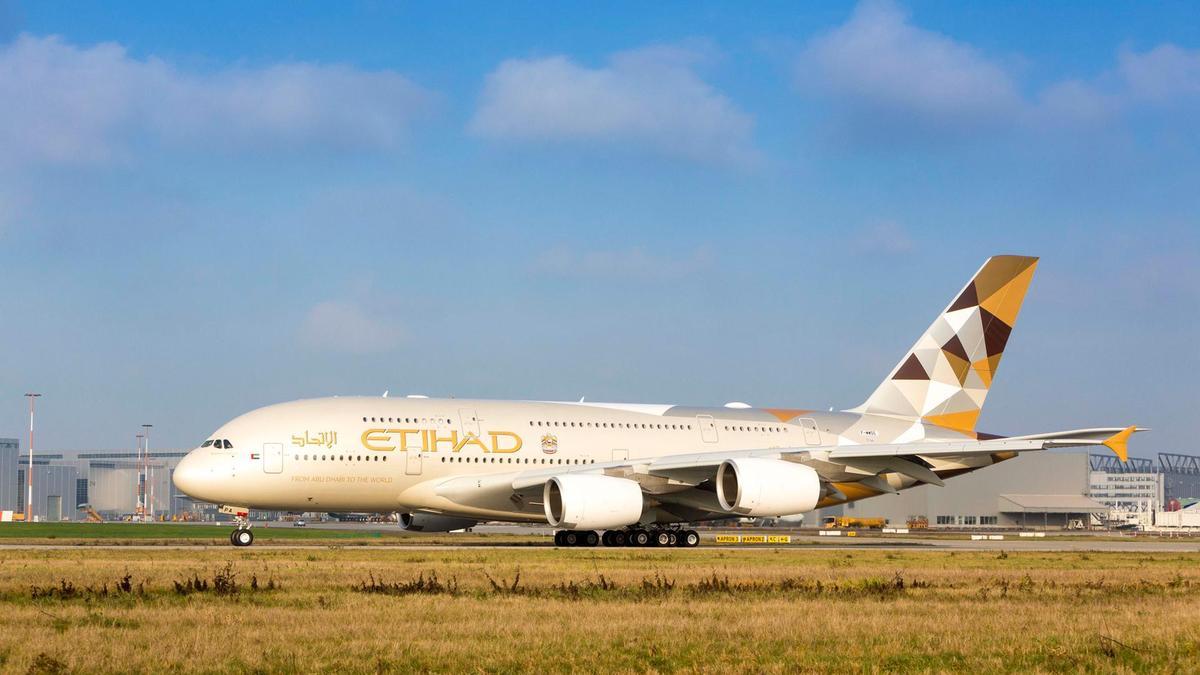
No bookings for May: Etihad only selling tickets for passenger flights from June 16
- Apr 30,2020
- The National
Etihad is suspending all online sales for flights before June 16. The Abu Dhabi airline has closed bookings on flights departing in May and the first two weeks of June. It is now only accepting new bookings for flights scheduled to fly from June 16. This, however, remains subject to change, should current flight suspensions be extended. The national airline of the UAE recently announced that it was planning to resume flights from May 16. But again, this was reliant on flight suspensions being lifted by UAE authorities. Until today, travellers could book flights on Etihad’s website for travel in the last two weeks of May to several destinations. These included India, the UK, Sri Lanka, Pakistan and the US. No official updates have come from the UAE government regarding the easing of travel restrictions, and Etihad has now taken the decision to suspend flight sales for travel before June 16. “To minimise any potential disruption or discomfort to customers, only flexible and refundable fares will be offered after April 29, 2020, for travel between June 16 and August 31, 2020,” an Etihad spokesperson told The National. “The network is under continuous review, and Etihad is monitoring the situation and following UAE and international government and regulatory authority directives.” Travellers who had booked flights with Etihad for travel in May can rebook flights for another date or request Etihad credit or a refund. Etihad continues to operate special repatriation flights from Abu Dhabi to several destinations. Several of these flights are now scheduled to run until the end of May. Dublin and New York are the latest places to be added to the repatriation flight schedule. A flight will take Irish nationals in the country to Dublin on Friday, May 1. For US citizens hoping to return to New York, Eithad will operate a flight on Monday, May 4. Etihad is also operating cargo flights and repatriating Emirati citizens from overseas. UAE nationals wishing to return home should contact their local embassy or consulate.
Read more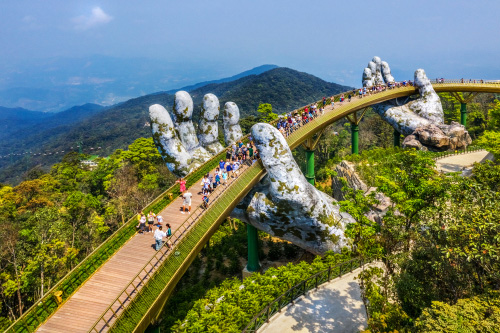
Vietnam flings open the doors, Thailand and Malaysia peek through the curtains
- Apr 30,2020
- The Thaiger
Peeking through the curtains and testing the water, or flinging wide the door and going for it. Or somewhere in between. Some South east Asian countries are starting to make cautious preparations to lift lockdown and travel restrictions. But this isn’t a competition – each country is having to look at the myriad of local issues as they factor in steps to re-open their economies. And every South east Asian country has different priorities. Vietnam has already ended the government’s “social distancing measures” this week, except in some districts of the northern capital Hanoi. The Vietnamese health authorities reported no new cases for seven days in a row, giving them the confidence of being the first of the ten nations to reboot their economy. But compared to the rest of the world the numbers in South east Asia have been tiny. In fact, all added up, South east Asia’s reported cases make up a minuscule 1.3% of the world’s cases (despite widespread belief that the numbers in Indonesia are actually a lot higher than reported). In comparison, the case numbers in the US have burst through the 1 million mark in the past 24 hours, with more than 56,000 deaths. Spain, Italy, France and the UK are also still struggling to contain the coronavirus, all with more than 20,000 deaths. Singapore, an island state of only 5.6 million people, leads the way in the region with nearly *15,000 cases (mostly migrant workers). Meanwhile the most populous of the South east Asian nations, Indonesia, with a population of 264 million, is in second place with *9,511 reported cases. But Reuters today published a report that there have already been 2,200 deaths in the archipelago, three times the officially of *773 deaths. The stark difference in the tallies, relative to their populations, has been put down to the quality of the testing regimes in the two countries – none of the region’s epidemiologists believe Indonesia is correctly reporting case numbers. The city-state has struggled to control the epidemic, mainly among migrant workers. Singapore has discovered over 7,000 new cases in the past seven days alone. * Figures as of 1930 Tuesday, Thai time Thailand, Malaysia, Indonesia, Singapore and the Philippines imposed levels of restrictions after infections started to climb. In Thailand there was a national nighty curfew, closure of all non-essential shops, rules about the wearing of masks and travel restrictions, keeping Thai’s within the borders of their provinces (and some cases within the boundaries of their suburbs). Today Thailand has extended it emergency decree, a state of emergency giving their prime minister sweeping powers to make instant decisions. The state of emergency now runs to the end of May despite the number of ne cases slowing to a trickle over the past week. But preparations for easing restrictions around Thailand are now apparent. The cabinet is considering decreasing the level of intensity and scope of restrictions that affect the normal operation of Thai businesses. Thais look forward to a gradual easing of the draconian restrictions in coming weeks. But the nation’s most pressing problem will be to figure out how to salvage it’s valuable tourism industry, said to contribute from 15-18% of the country’s total GDP. The tourist magnets, like Phuket and Pattaya, have been devoid of tourists for nearly two months and the shops and bars remain shuttered. Although restrictions may soon be lifted, allowing some semblance of trade, there is unlikely to be any resurgence in Thai tourism until sometime in 2021. A lot will depend on other countries re-opening their borders, the aviation industry finding a way to sustain scheduled flights and a willingness of international travellers to get back on planes. And will they have the money anyway? And will insurance companies provide insurance for travellers until a viable vaccine is on the market? Bangkok and Phuket remain the areas in Thailand with the most infections and they will be among the last to have restrictions lifted. Malaysia and the Philippines have both report fewer cases over the past seven days than in the previous seven days. But Malaysian PM Muhyiddin Yassin has now extended the government’s restrictions on internal travel until at least May 12, the third such extension. Like its northern neighbour, Malaysia is, too, being cautious about opening back up too quickly and risking a second wave of infections. Last week the Philippines’ President Duterte extended the lockdown in Manila, and other high-risk areas until the middle of May 15. But as South east Asia’s economies peak through the curtains, glimpsing at creating a new-normal, the world’s fastest growing economies now face their biggest test yet – have they opened up again too early?
Read more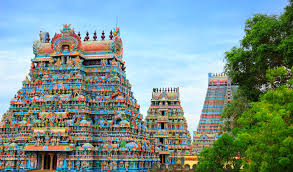
Rediscovering TN mantra could revive tourism business
- Apr 30,2020
- Times of India
CHENNAI: After this long summer of being confined indoors, vacations too are not going to be the same, at least for the next few months. Social distancing restrictions and increased costs are going to change the way people plan and travel for leisure. With exotic locations out of the picture, tour operators are trying to get people to explore their own backyard. And with five Unesco world heritage sites dotting Tamil Nadu, the state tourism industry is trying to ensure that travel is not off the cards after restrictions on movement are relaxed. The impact on tourism in Tamil Nadu, which attracts the most number of international and domestic tourists in the country is undeniable high, tuning into the domestic market is the way forward, say experts. Tamil Nadu Tour Travel and Hospitality Association president V K T Balan feels coronavirus is not a destroyer, but an opportunity for Tamil Nadu tourism to rebound. "For the next one year, tour agents would be promoting domestic destinations and Tamil Nadu would be the biggest beneficiary as we have the country’s longest coastline, multiple hill stations, besides temple and heritage destinations," he said. Post-Covid, the travel sector will shift from being about security to safety, wherein tourists will look for hygiene while visiting tourist attractions. This would make tourism an expensive affair, higher by 20% from the existing costs, estimate experts. Indian Association of Tour Operators (IATO) Tamil Nadu chapter chairman Pandian K said tourists will demand health checks of drivers and crew members. "Vehicles will undergo frequent checks and would have to be sanitised every day. Sports utility vehicles with a seating capacity of six could be accommodating less than four members due to social distancing norms and any group above this number (four) will switch to larger vehicles," he said. "The fallout would be that fly-by-night agents, offering travel at a cheaper price, would vanish. The reliability on ethical operators will increase as people will not think twice to pay more to ensure health and hygiene during travel," he said. Apart from leisure travel, MICE (meetings incentives, conferences and exhibitions) is going to be the focus for the sector as it may take longer for foreign tourists to start travelling because of job losses and economic crisis in their countries. MICE is an opportunity, says M K Ajit Kumar of Asia Pacific Tours. "The need of the hour is to have a focussed initiative to revive the sector. Work-from-home may seem to be the new normal for many companies with fewer business travel. But still there may be a need to bring together employees once in a while. So MICE has a better scope as a sector that can be promoted. A few of us are working now over video conferencing to create an action plan under the banner of South India MICE Association (SIMA). This will not only take care of the occupancy of rooms, but this segment will also ensure revenue flow for hotels and resorts from bookings of banquets." While some travel and tour operators are coming together to find their own ways to ensure people feel safe to visit Tamil Nadu, most feel the government, which is yet to formulate a strategy to revive tourism, can play a big role. "Only the government can give confidence to the people and that will bring back tourists. The state and Centre should work on this," said J Sethuraman of Travel XS, who has been handling incoming arrivals for a long time. Many in the industry are also looking at the government to offer loans, and not doles. "As a long-term measure, money in the form of loans and confidence building measures are the two things that will help the industry survive," he said. While the industry would have to adapt, but it might be difficult for budget hotels to stick to new standards. "It costs money and needs quality manpower. We may have to find out how budget hotels can do it," he said. The hospitality sector is pressing for a moratorium on long-term loan repayment and working capital for new hotels as dining out will not be an option for many months. South India Hotels and Restaurants Association (SIHRA) honorary secretary T Nataraajan said 18% GST for accommodations must be reduced for the next year because largely domestic tourists will be occupying hotel rooms. "On the conference and convention front, a hall could accommodate only one-fourth of its total capacity as social distancing must be maintained between every individual in the coming months," he said. Tamil Nadu has been attracting the highest number of domestic and foreign tourists in the country since 2014. As per estimates, business activities associated with Indian hospitality and tourism sector including hotels, transport, guides and shopping stands at `5 lakh crore and provides employment to 3.8 crore people. Of this, Tamil Nadu accounts for `1 lakh crore, providing job opportunities for more than 35 lakh people in the state, said Pandian. "Post lockdown, Tamil Nadu government must brand the state aggressively, both nationally and internationally to woo tourists," said Pandian, who believes the new journey of rediscovering the state would hold many surprises for the curious traveller.
Read more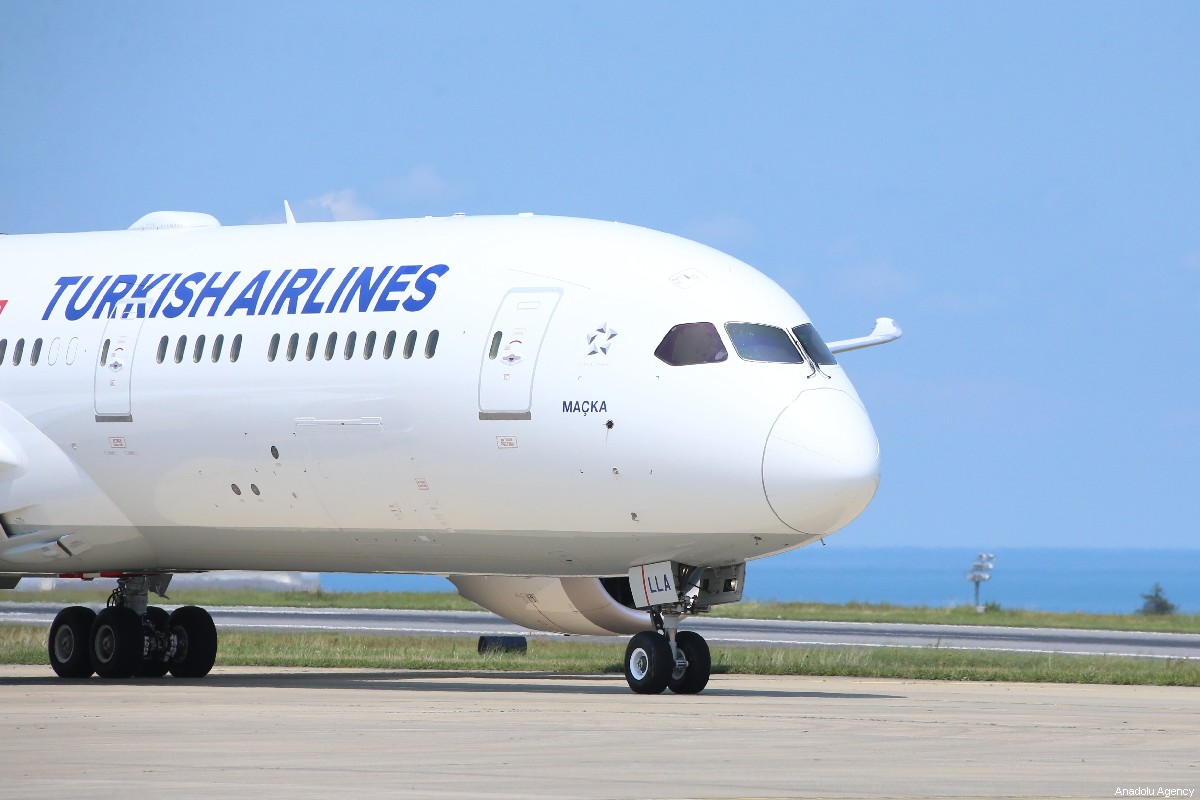
Turkey considering restarting flights by mid-May – but only domestic trips at first
- Apr 29,2020
- The Sun
TURKEY is considering starting flights as soon as next month, with domestic flights resuming from mid-May. Coronavirus cases in the country are beginning to fall as recoveries overtake infections. The resuming of flights is to be discussed by officials, with trail transport and the reopening of schools also to be discussed. Coronavirus cases have hit 112,000, with nearly 3,000 deaths across Turkey, although the country was one of the last to be hit by the deadly virus.The suggestion of May flights is great news for flag carrier Turkish Airlines, although will need to be approved by President Recep Tayyip Erdogan before they resume. Flights could start from May 24, which coincides with Eid al-Fitr, a three day holiday following Ramadan. Pegasus Airlines CEO Mehmet Nane, who’s also the head of Turkey’s Private Aviation Operators Association told Bloomberg: "We are already ready to resume flights as long as it is approved." However, social distancing rules and regulations are also being discussed to prevent the spread of the virus within the cabin. He added: "Social-distancing rules inside the plane are just the tip of the iceberg, there is a need for a comprehensive arrangement for rules about ticketing desks, security and access to the planes." Tickets could go on sale two weeks before the first flight to see the demand, and so measures can be taken to allow space within the flight for passengers. Holidays for Brits are unlikely to be the same if heading to Turkey post-lockdown. Tourists visiting Turkey will need to have a certificate proving they don't have coronavirus to be allowed to visit, according to the government.The new regulations were announced by Turkey’s Culture and Tourism Minister Mehmet Nuri Ersoy to be introduced following the pandemic.
Read more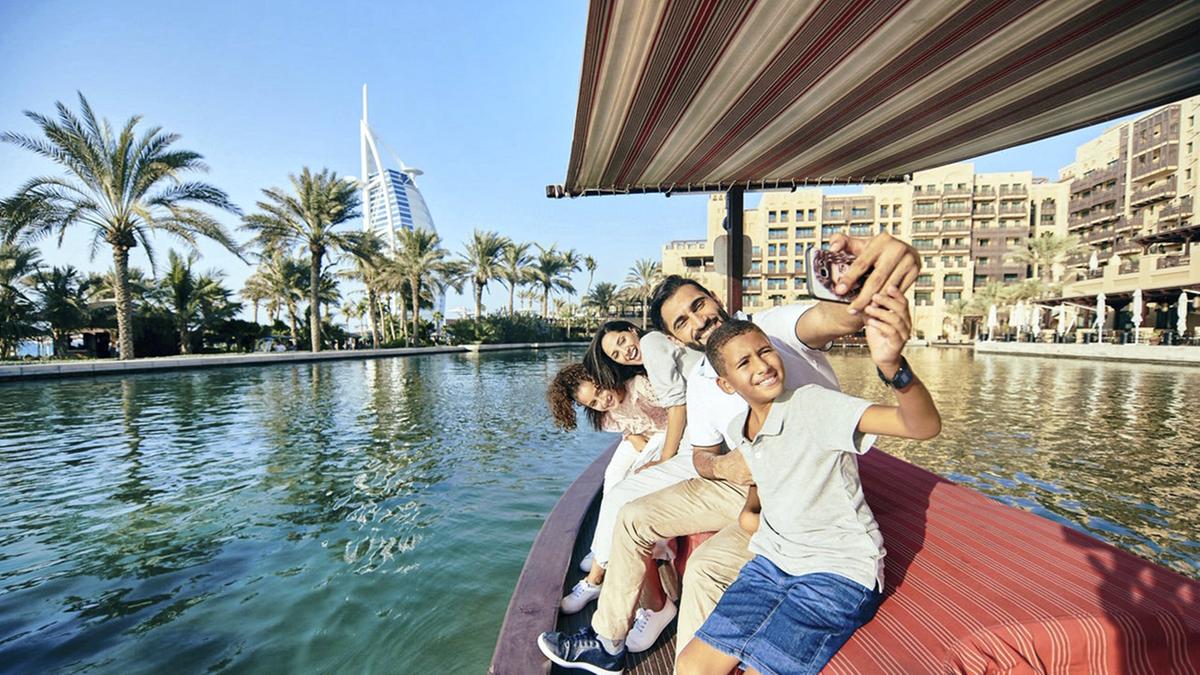
Dubai targets reopening for tourists by July as flights resume
- Apr 29,2020
- The National
Dubai is aiming to reopen for tourists as early as July as it looks to gradually come out of a lockdown due to the coronavirus pandemic that disrupted tourism and air travel, according to its tourism chief. The return of tourism will happen in a staggered approach and may be pushed back until September, depending on when other countries ease travel restrictions, Helal Al Marri, director general of Dubai’s Department of Tourism and Commerce Marketing told Bloomberg TV on Tuesday. "The thing about this current scenario is it’s a global question: many airports internationally remain closed and it’s really about the bilateral discussions that are under way to have a coordinated approach to the reopening," Mr Al Marri said. Tourists take an Abra ride through Dubai's Madinat Jumeirah resort. Tourism contributes 11.5% of Dubai's GDP, a Dubai Media Office statement said. Image courtesy of Dubai Tourism. Tourists take an Abra ride through Dubai's Madinat Jumeirah resort. Tourism contributes 11.5% of Dubai's GDP, a Dubai Media Office statement said. Image courtesy of Dubai Tourism. Dubai is aiming to reopen for tourists as early as July as it looks to gradually come out of a lockdown due to the coronavirus pandemic that disrupted tourism and air travel, according to its tourism chief. The return of tourism will happen in a staggered approach and may be pushed back until September, depending on when other countries ease travel restrictions, Helal Al Marri, director general of Dubai’s Department of Tourism and Commerce Marketing told Bloomberg TV on Tuesday. "The thing about this current scenario is it’s a global question: many airports internationally remain closed and it’s really about the bilateral discussions that are under way to have a coordinated approach to the reopening," Mr Al Marri said. A family walks at Dubai International Airport on April 27, 2020. Reuters "We’re quite concerned about the timeline, that’s the main risk: is it going to be July when things open up? Is it going to be September? We just need to make sure we’re ready if things come earlier than expected." Dubai, a regional tourism and business hub, attracted 16.73 million travellers last year. The sector contributed 11.5 per cent to the emirate's gross domestic product. The emirate suspended passenger arrivals in March to contain the spread of Covid-19 but has started to gradually relax restrictions as the pandemic is controlled. Last week Dubai announced it would partially reopen its shopping malls, a major tourist draw, amid a loosening of lockdown restrictions aimed at curbing the virus. Dubai's tourism is currently on pause and the number of arrivals to the emirate has dropped to zero due to the pandemic, which had a huge impact, Mr Al Marri said. The Dubai government has introduced a series of measures aimed at supporting its critical tourism sector during the Covid-19 crisis, including reducing or waiving fees, such as a 50 per cent cut on municipality fees. The UAE's central bank rolled out an economic stimulus package to mitigate the impact of the coronavirus on the private sector, which has helped the tourism sector through penalty-free loan rescheduling over a longer period of time and lower interest rates, he said. Travellers' behaviour is also expected to change in the post-coronavirus era, with more focus on "health and hygiene across destinations", less group travel and more independent travellers who are likely to make late bookings, he said. The focus on hygiene and health will translate into additional costs for hotels, he added. The tourism chief ruled out a possibility of government intervention even amid an oversupply of hotel rooms and said it is not up to the Dubai government to restrict the number of hotels constructed. The sector "is not interested in the government controlling supply or pricing of hotel rooms. Investors in hotels definitely have expertise and experience to make their own decisions," he said. The UAE on Tuesday announced 541 new coronavirus cases, taking the total to 11,380 cases, 2,181 recoveries and 89 deaths.
Read more
Tourism sector pins revival hopes on domestic visitors
- Apr 29,2020
- New Indian Express
KOCHI: With Covid-19 shattering the tourism industry in Kochi as well as in Kerala, domestic tourism remains the last hope once the pandemic spread ceases to a certain extent. With tour operators giving up hope of regaining the confidence of foreign tourists with the situation yet to improve abroad, at least tourist from other states can be attracted to visit Kerala once the state borders are opened in the near future, they feel.Tour operators said foreign tourists usually finalise their tour plans from October to January before May. With uncertainty over Covid-19 continuing, no bookings from abroad have been made so far. “Many countries have placed travel restrictions for several months. Usually, we get inquiries for the year-end tourism season by now. We also submit tour programmes for attracting foreign tourists in April and May. But with all our operations down, no foreign tourist bookings are made,” Travel Agents Federation of India (TAFI) Kerala Chapter chairman Paulose Mathew said. In the current scenario, the tourism industry can only pin its hopes on domestic tourists. However, with existing Covid-19 protocol for travel, the cost of packages goes up.“Kerala, which emerged as a model in the fight against Covid-19 pandemic, can attract domestic tourists from other parts of India. There will be keen travellers who travel abroad once or twice annually. They can be attracted to Kerala. The challenge is that cost of travel is expected to rise with the existing Covid-19 protocol. If the guidelines state that a flight or bus should accommodate passengers one-third of their capacity, charges will certainly be higher,” he said. A Kerala Tourism official said domestic tourists footfalls helped the state in crisis earlier. With events like Kochi Muziris Biennale in December, tourists from other states are expected to visit Kochi if Covid-19 scare ends. “When tourism sector was hit by Nipah outbreak and floods, revival was made possible due to high domestic tourist arrival. Post Covid-19, tourism promotion activities will be held in other states. Even other tourism stakeholders are expected to set their focus on other states during this hard time,” he said. Tour operators who booked air tickets for outbound tourists are agitated about no refund provided by airlines till now. Though the Ministry of Civil Aviation ordered refund for tickets issued during the lockdown, tour operators claim the issue is yet to be addressed by the government. “When we approached the ministry for immediate refunding of tickets cancelled since early March, it came out with an order directing airlines to issue refund for tickets booked during the lockdown. Tour agencies book tickets three months before travel and such cases were not considered. In tour packages, 50 per cent cost is travel expense for which we have to pay in advance. With no refund, most tour operators are facing business loss. There is no government-level aid for tourism stakeholders who were the first to be hit by Covid-19 and to face its long-term consequences,” Paulose said.
Read more