

World Tourism Organisation releases coronavirus recovery blueprint
- Apr 02,2020
- Breaking Travel News
The World Tourism Organisation has released a set of recommendations calling for urgent support for the global tourism sector. If followed, the body hopes the sector will not only recover from the unprecedented challenge of Covid-19. but to “grow back better”. The recommendations are the first output of the Global Tourism Crisis Committee, established by UNWTO with high-level representatives from across the tourism sector and from within the wider United Nations system. Recognising that tourism and transport has been among the hardest hit of all sectors, the recommendations are designed to support governments, the private sector and the international community in navigating the unparalleled social and economic emergency that is Covid-19. “These specific recommendations give countries a check-list of possible measures to help our sector sustain the jobs and support the companies at risk at this very moment. “Mitigating the impact on employment and liquidity, protecting the most vulnerable and preparing for recovery, must be our key priorities,” said UNWTO secretary general, Zurab Pololikashvili. Last month the UNWTO argued global tourism arrivals could fall by nearly a third this year in the wake of the coronavirus pandemic. Recognising the diverse realities in each country as well as the evolving nature of this crisis, the document will continue to be updated. “We must support the sector now while we prepare for it to come back stronger and more sustainable “We still do not know what the full impact of Covid-19 will be on global tourism. “However, we must support the sector now while we prepare for it to come back stronger and more sustainable. “Recovery plans and programmes for tourism will translate into jobs and economic growth,” added the secretary general. The recommendations for action are the first comprehensive set of actions governments and private sector actors can take now and in the challenging months ahead. Pololikashvili stressed that “for tourism to fulfil its potential to help societies and whole countries recover from this crisis, our response needs to be quick, consistent, united and ambitious”. In all, this new guide provides 23 actionable recommendations, divided into three key areas: Managing the crisis and mitigating the impact: Key recommendations relate to retaining jobs, supporting self-employed workers, ensuring liquidity, promoting skills development and reviewing taxes, charges and regulations relating to travel and tourism. The recommendations are made as a global economic recession looks likely. Given its labour-intensive nature, tourism will be hard hit, with millions of jobs at risk, especially those held by women and youth as well as marginalised groups. Providing stimulus and accelerating recovery: This set of recommendations emphasises the importance of providing financial stimulus, including favourable tax policies, lifting travel restrictions as soon as the health emergency allows for it, promoting visa facilitation, boosting marketing and consumer confidence, in order to accelerate recovery. The recommendations also call for tourism to be placed at the centre of national recovery policies and action plans. Emphasising tourism’s unique ability to lead local and national growth, the recommendations call for greater emphasis to be placed on the sector’s contribution to the sustainable development agenda and to build resilience learning from the lessons of the current crisis. The recommendations call on governments and private sector actors to become build preparedness plans, and to use this opportunity to transition to the circular economy.
Read more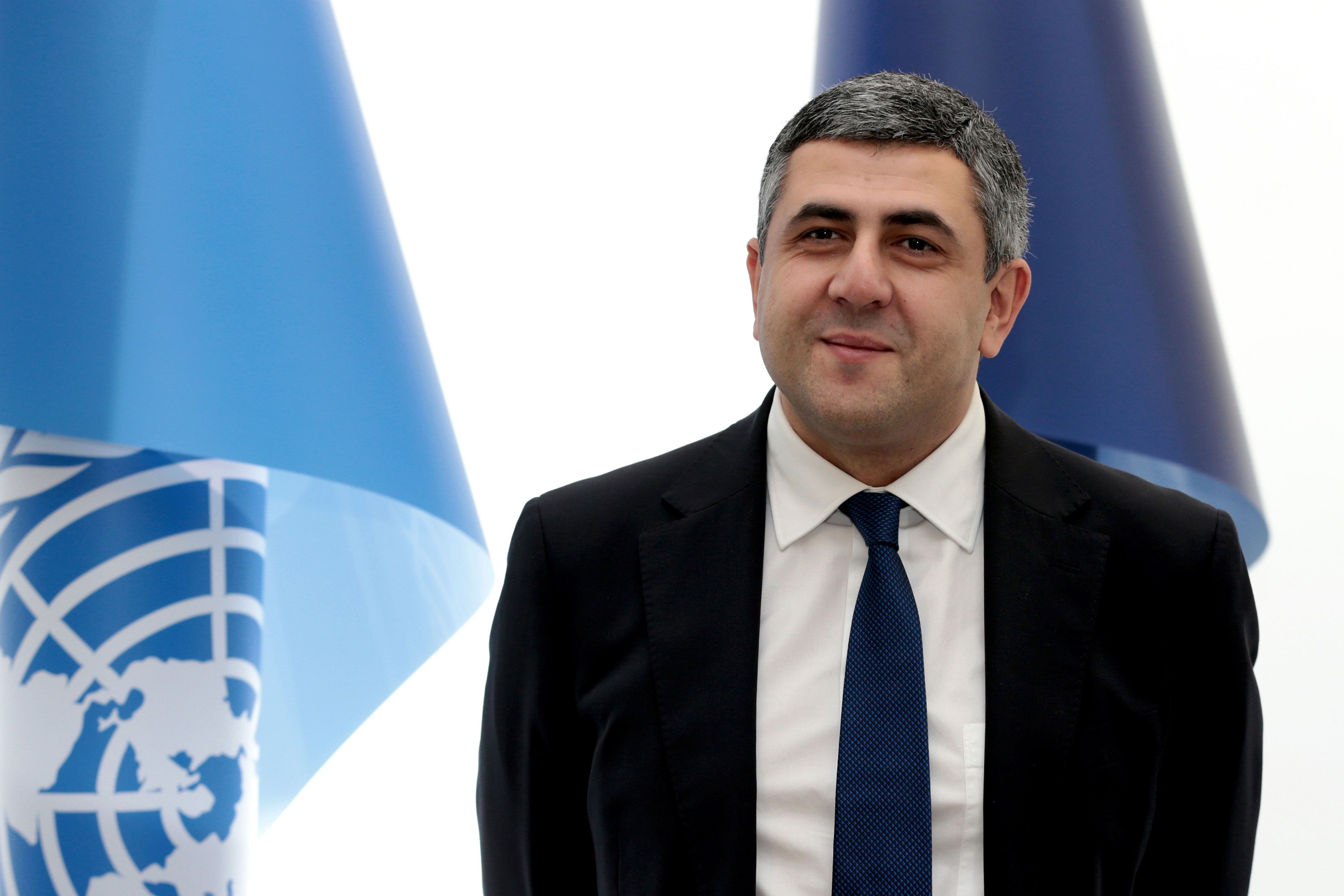
UNWTO Launches A Call for Action
- Apr 02,2020
- Ftn News
The World Tourism Organization (UNWTO) has released a set of recommendations calling for urgent and strong support to help the global tourism sector not only recover from the unprecedented challenge of COVID-19 but to ‘grow back better’. The Recommendations are the first output of the Global Tourism Crisis Committee, established by UNWTO with high-level representatives from across the tourism sector and from within the wider United Nations system. Recognizing that tourism and transport has been among the hardest hit of all sectors, the Recommendations are designed to support governments, the private sector and the international community in navigating the unparalleled social and economic emergency that is COVID-19. “These specific recommendations give countries a check-list of possible measures to help our sector sustain the jobs and support the companies at risk at this very moment. Mitigating the impact on employment and liquidity, protecting the most vulnerable and preparing for recovery, must be our key priorities,” said UNWTO Secretary-General Zurab Pololikashvili. Recognising the diverse realities in each country as well as the evolving nature of this crisis, the document will continue to be updated. “We still do not know what the full impact of COVID-19 will be on global tourism. However, we must support the sector now while we prepare for it to come back stronger and more sustainable. Recovery plans and programmes for tourism will translate into jobs and economic growth.” added the Secretary-General. The Recommendations for Action are the first comprehensive set of actions governments and private sector actors can take now and in the challenging months ahead. Mr Pololikashvili stressed that “for tourism to fulfil its potential to help societies and whole countries recover from this crisis, our response needs to be quick, consistent, united and ambitious”. In all, this new guide provides 23 actionable recommendations, divided into three key areas: Managing the Crisis and Mitigating the Impact: Key recommendations relate to retaining jobs, supporting self-employed workers, ensuring liquidity, promoting skills development and reviewing taxes, charges and regulations relating to travel and tourism. The Recommendations are made as a global economic recession looks likely. Given its labor-intensive nature, tourism will be hard hit, with millions of jobs at risk, especially those held by women and youth as well as marginalised groups. Providing Stimulus and Accelerating Recovery: This set of Recommendations emphasises the importance of providing financial stimulus, including favourable tax policies, lifting travel restrictions as soon as the health emergency allows for it, promoting visa facilitation, boosting marketing and consumer confidence, in order to accelerate recovery. The Recommendations also call for tourism to be placed at the centre of national recovery policies and action plans. Preparing for Tomorrow: Emphasising tourism’s unique ability to lead local and national growth, the Recommendations call for greater emphasis to be placed on the sector’s contribution to the Sustainable Development Agenda and to build resilience learning from the lessons of the current crisis. The Recommendations call on governments and private sector actors to become build preparedness plans, and to use this opportunity to transition to the circular economy. About the Global Tourism Crisis Committee UNWTO formed the Global Tourism Crisis Committee to guide the sector as it responds to the COVID-19 crisis and to build the foundations for future resilience and sustainable growth. The Committee comprises representatives of UNWTO’s Member States and Affiliate Members, alongside the World Health Organization (WHO), the International Civil Aviation Organization (ICAO), and the International Maritime Organization (IMO). The private sector is represented by Airports Council International (ACI), Cruise Lines International Association (CLIA), International Air Transport Association (IATA) and World Travel and Tourism Council (WTTC) to ensure a coordinated and effective response.
Read more
Aviation industry lobby group seeks incentives for the sector
- Apr 02,2020
- The Economic Times
New Delhi: The Airports Council International, an industry lobby group for airport operators, and industry body Ficci have sought various incentives for the aviation sector from the government in the wake of the disruption caused by the outbreak of Covid-19. ACI has sought suspension of all national and local aviation-specific taxes until December 31, including passenger departing taxes and revenue share payment made by private airport operators, and a moratorium on new national and local aviation-specific taxes until December 31. “Amid an extremely challenging environment being faced, we are requesting the government to provide some relief measures to the airport operators, which will directly alleviate the financial burden for airports,” said Satyan Nayar, secretarygeneral of the Association of Private Airport Operators.
Read more
Railways, airlines accept bookings from April 15 onward
- Apr 02,2020
- Business Today
After a clarification from the government that the 21-day coronavirus lockdown will not be extended beyond April 14, Indian Railways and airlines have started accepting bookings from April 15 onwards. Presently, passengers are planning urgent travel. Commercial airlines SpiceJet, IndiGo and GoAir have started accepting bookings from April 15 onwards for domestic travel. However, no official statement has been released so far. The Western Railways' Ahmedabad division PRO has said that railways have started accepting booking because the government has not given any indication about the lockdown extension. PM Narendra Modi had announced a three-week nationwide lockdown starting midnight of March 24 to contain the spread of coronavirus. After the 21-day lockdown announcement, railways canceled all passenger train services till April 14. Besides, domestic flights were suspended from March 24. The COVID-19 count in the country continues to rise sharply, with fresh cases being reported from different parts of the country. The total tally of COVID-19 positive cases has crossed 2,000 mark in the country, of which 1,649 are active cases while 41 people have been dead, the ministry of health data as of April 2, 7.40 am, says.
Read more
ACI urges govt to defer aviation specific taxes till Dec 31
- Apr 01,2020
- The Economic Times
Airports Council International (ACI) has urged the government to defer aviation specific taxes till December 31 to safeguard airports' operational and business continuity amid COVID-19 pandemic. In a letter to Prime Minister Narendra Modi on Tuesday, ACI Director General Angela Gittens has said COVID-19 has drastically impacted the airport business and is posing a serious threat to survival of the industry in many countries. "Airports are the engine of your national economy in terms of jobs created and GDP growth. The airport industry in Asia-Pacific employs more than 63 per cent of aviation industry jobs, providing a variety of services. This unique resource for the society and the economy should be fully preserved and supported to prepare for its revival, as soon as the negative effect of the COVID-19 starts to decrease," the ACI DG said in the letter, dated March 31. ACI's Asia Pacific arm had on March 27 estimated that the airport industry in the APAC region is expected to report USD 5.6 billion loss in the first quarter following a traffic volume loss of about 1.5 billion passengers at the airports in the region due to prolonged duration of coronavirus outbreak. Besides, it also revised the revenue forecast for 2020, according to which the revenue impact on the aerodromes in the APAC region is expected to the tune of USD 23.9 billion, and USD 5.75 billion for the airports in the Middle-East region. "The airport industry is equally impacted by the COVID-19 outbreak. Every passenger lost by an airline is equally a passenger lost by an airport. We would urge your authority to provide relief measures for the aviation sector to benefit all affected parties of the aviation sector and which will be strategic for the relaunch of the economy as soon as the crisis is over," the global airports grouping said. It requires "urgent measures -- immediate suspension of national, regional, local taxes specific to the aviation sector, including passenger departing taxes, which will also incentivise passenger confidence to travel, and moratorium on new national and local aviation specific taxes until December 31, 2020," ACI added. Airports are reliant on revenue from charges on airlines, passengers and commercial activities, ACI said in the letter, adding, "any global alleviation of airport charges or introduction of blanket discounts, therefore, will place airport operators in greater financial distress. Any discount in charges in favour of airlines should be decided by the airport operator on a voluntary basis". The group has also sought from the government exceptional and time-limited waiver of the slot 80/20 rule until June-end. The rule stipulates that airlines could lose their slots at congested airports if they did not use them at least 80 per cent of the time. Dynamic aviation markets such as Singapore and UAE are offering dispensation of the slot 80/20 rule only for certain markets. Other countries such as the US, China, South Korea and Japan have introduced a waiver for a shorter period than the entire summer season, it said. From an operational perspective, the aviation system would benefit from the introduction of a mandatory requirement to airlines to notify flight cancellations, resulting from structural capacity adjustments due to COVID-19 under a specific timeline in advance, and hand back to coordinators/slot pools unused airport slots within 24 hours of flight cancellations within booking systems, the letter said. The body also urged the government to consider, on a case-by-case basis, waiving airport rents and concession fees applicable to airport operators, irrespective of ownership status, given the financial stress they are experiencing. Such waiver could be a one-time waiver for a period of time, without the requirement for airports to pay-back the waived amounts at a later stage. This will allow airports to re-deploy these funds to continue operations and support recovery strategies, according to ACI. It has also sought loans and secured lending facilities at preferential rates to meet fixed expenses of airports for at least the next six months and ad-hoc facility to issue additional bank guarantees besides the ability to renegotiate existing covenants.
Read more
Suspend refund rules or risk UK travel industry meltdown, warns Abta
- Apr 01,2020
- The guardian
Abta has demanded the government suspend the travel industry’s refund rules or face “catastrophic damage to the UK travel industry, and widespread consumer detriment”. The travel industry body said that while other European countries have all changed EU refund rules, the UK government’s lack of action will send many good travel businesses over the edge. Hundreds of thousands of holidays have had to be cancelled in recent weeks but Abta said tour operators do not have the money to refund customers within the existing 14-day time period. In recent days the Guardian has been inundated by holidaymakers complaining that they can’t get a refund from their tour operator after their trip was cancelled. Some have spent in excess of £10,000 but instead of a refund they are only being offered an unwanted change of dates. Abta’s chief executive, Mark Tanzer, has called on the government to allow firms four months to process payments. “The global pandemic has put enormous financial strain on tour operators and travel agents on a scale that is unmanageable in the short term. These businesses are themselves waiting for refunds from hotels and airlines and, without this money, they simply do not have the cash to provide refunds to customers. We want to avoid the scenario of normally successful travel businesses employing tens of thousands of people facing bankruptcy. “We are proposing some simple, temporary changes to regulations to buy more time for companies to keep trading, while ensuring customer rights are protected. Many European countries, including France, Belgium, Denmark and Italy, have already announced similar regulatory changes to preserve their travel industries and protect customers,” he said. He also called on the government to take strong enforcement action against the airlines that have flouted the law by withholding refunds following the cancellation of flights. A widespread failure among travel firms would leave affected passengers having to apply to the Atol compensation scheme, which is still recovering from Thomas Cook’s collapse. The National Audit Office warned earlier this month that the government would have to pick up the bill for any future collapses. More than £480m was paid out to repatriate and refund holidaymakers hit by the Thomas Cook collapse.
Read more