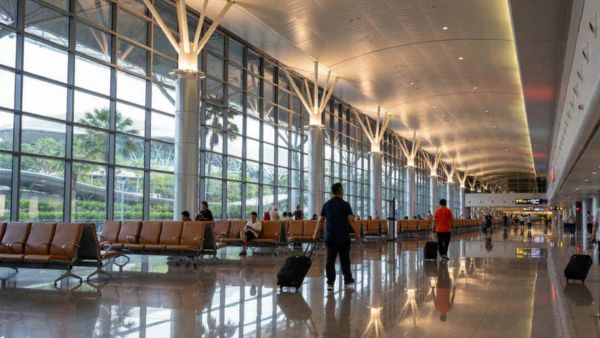
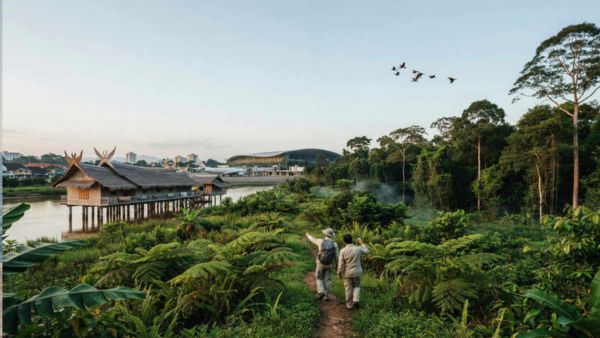
Sarawak is launching initiatives to develop world class tourism infrastructure in order to attract visitors interested in experiencing nature and culture in 2026. These initiatives will include building a world-class air connectivity system that will complement new tourism offerings that include, heritage, food, festivals, and activities. Visit Sarawak, Make it Five Million, is an initiative designed to attract five million visitors to the region and earn RM12.73 billion from tourism. It is focused on creating memorable, world class tourism experiences that are accessible and sustainable to help the region become one of Southeast Asia’s top tourist regions.
The Malaysian state is targeting five million visitors and around RM12.73 billion in tourism receipts during 2026. The goal is being supported by stronger international promotion, improved air connectivity, new tourism products, better infrastructure and a growing focus on high-value experiences.
Rather than depending on one tourism market or a single attraction, Sarawak is building a wider tourism ecosystem that brings together culture, nature, adventure, food, festivals, business and technology.
Read more