Maldives Opens North Ari to More Travellers with Mathiveri Airport

Mathiveri Airport is emerging as something more significant than another domestic aviation project. North Ari Atoll already possessed 2,118 guesthouse beds against 2,080 resort beds in the latest detailed official atoll comparison available, creating an unusual tourism market where locally based accommodation capacity had overtaken resort supply before the airport opened. With 97.7 per cent of recorded visitor arrivals still entering through Velana International Airport, Mathiveri could eventually determine whether stronger domestic connectivity helps distribute tourism spending beyond the Malé gateway and deeper into inhabited-island economies. The central story surrounding Mathiveri Airport is no longer simply whether another runway will be built in the Maldives. The commercially important issue is what happens to visitor distribution when an airport is placed beside one of the country’s most developed clusters of local-island tourism businesses. According to the Maldives Ministry of Tourism and Civil Aviation, the detailed tourism-facility distribution published in December 2024 recorded 160 guesthouses containing 2,118 beds across Alifu Alifu Atoll, compared with 10 resorts containing 2,080 beds. That put guesthouse capacity marginally ahead of resort capacity within North Ari Atoll. Mathiveri alone accounted for 15 guesthouses and 158 beds in that dataset. Nearby Thoddoo had 60 establishments and 850 beds, Ukulhas had 31 and 434 beds, Rasdhoo had 27 and 370 beds, while Feridhoo, Bodufolhudhoo, Himandhoo and Maalhos added further local accommodation inventory. That concentration changes the economic case for improved air access. The airport would not be attempting to stimulate tourism in a locality without an accommodation base. It would enter an existing visitor economy containing hundreds of guesthouse rooms spread across several inhabited islands.

Read more

Cheongju Airport is Fuelling South Korea's Regional Tourism Boom

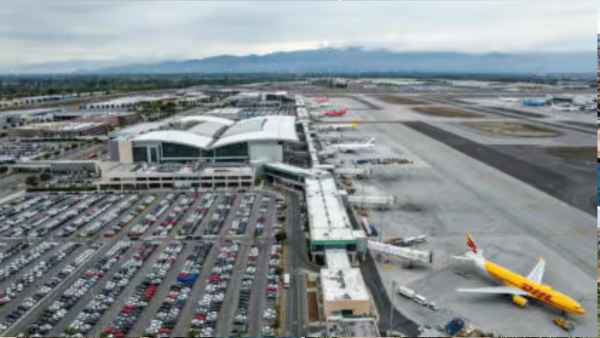
South Korea’s Cheongju Airport is an example of rebirth and rising thanks to the boom in aviation. South Korea’s Cheongju Airport is one of the best examples of how regional hubs can be key to tourism development, mobility, and even the rebirth of entire regions. While airports in other regional centers face the persistent threat of empty seats and the loss of both passengers and profits to larger rivals, Cheongju is capitalizing on these trends to reinvent itself as a major player in the industry The transformation of Cheongju Airport has been driven by a sharp increase in passenger activity and a wider catchment area beyond its immediate location. The airport is attracting travellers not only from North Chungcheong Province but also from nearby regions including Daejeon, Sejong, South Chungcheong Province and southern Gyeonggi Province. For many travellers in central South Korea, Cheongju Airport provides a more convenient alternative to larger airports located around the capital area. Shorter travel distances, easier vehicle access and affordable parking options have encouraged more passengers to choose the regional airport for international journeys

Read more

Isles of Scilly's Travel Strategy Gets a Boost with Penzance Ferry Upgrade

The Isles of Scilly have entered a critical destination-planning phase after the Integrated Impact Assessment scoping consultation supporting the Local Plan 2026–2041 closed on 14 August. The emerging travel-industry issue is no longer simply tourism growth. Official evidence now links an economy heavily dependent on visitors with worker-housing shortages, seasonal labour pressures, fragile inter-island connectivity and future increases in mainland passenger capacity.

Read more

Vietnam Launches Bold New Strategy to Drive International Tourism

Vietnam is using a variety of methods to encourage different types of travel in order to cater to the needs of more complicated travelers. Additionally, they are focused on expanding their international connections to make different regions more accessible in order to boost their tourism. They focus on creating unique chances that appeal to a variety of different traveler interests. With the number of international travelers in 2026 reaching 12.3 million by the end of the first half, Vietnam is focused on developing a sustainable tourism model that allows them to connect their beaches, highlands, and adventure with their diverse culture, allowing travelers to stay longer. Cruisebooking However Vietnam is building a powerful new tourism strategy as it moves beyond simply attracting more visitors and focuses on creating better travel experiences.Because the country welcomed around 12.3 million international tourists in the first six months of 2026, showing strong growth of nearly 15% compared with the previous year. But Now, Vietnam is preparing for the next stage of tourism growth by targeting specific markets, improving travel connections and creating high-value experiences.

Read more

Thailand's Free Highways to Transform Bangkok Connectivity for Millions

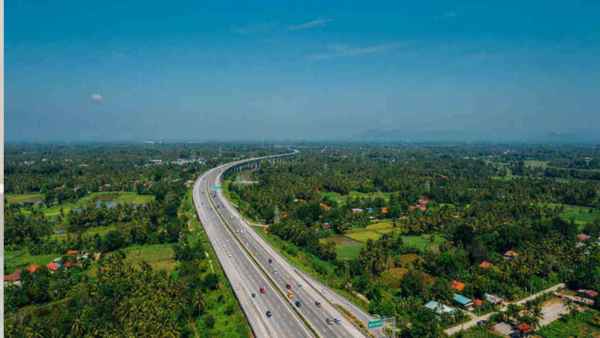
Thailand is opening toll-free ways to help ease traffic in the country. The sections of Bang Pa-in-Pak Chong (M6) and Ekkachai-Ban Phaeo (M82) of Thailand’s motorways will open for free travel from August 2022 for a trial period. Thailand aims to open these sections permanently to help improve travel time and accommodate travelers looking for alternate highway routes during peak travel times. These trial sections of toll-free motorways aim to address Thailand’s heavily congested road network. The initiative is designed to improve transport efficiency, shorten travel times and ease congestion on two important travel corridors — Mittraphap Road, which connects Bangkok with northeastern Thailand, and Rama II Road, a key route towards Samut Sakhon and southern destinations. Advertisement Although both motorway sections will initially be available without toll charges, travellers will face different operating conditions. Opening schedules, vehicle restrictions, entry points and road access will vary because some parts of the projects are still being completed or undergoing final system preparations.

Read more

USA Fort Myers Beach Bounces Back as Crescent Beach Park Reopens

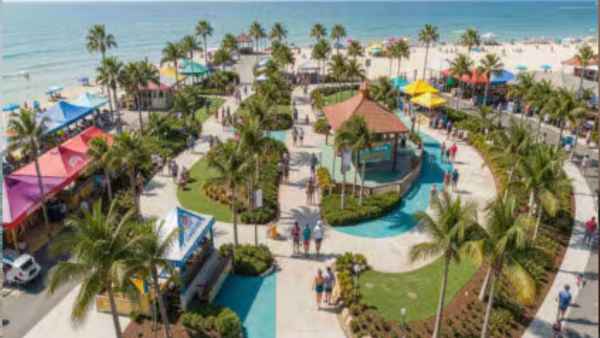
Fort Myers Beach has reopened Crescent Beach Park after finishing repairs to make the park accessible and continue park improvements. The Crescent Beach Family Park has reopened on Fort Myers Beach after a major restoration to rebuild and modernize the popular waterfront attraction to address the damage caused by Hurricane Ian. This 2.5-acre waterfront park is yet another recovery effort for this popular beach that was designed to provide improved accessibility and enjoyment and comfort. Located at the base of the Matanzas Pass Bridge between Times Square and Margaritaville Beach Resort, the park remains one of the most visible arrival points for people entering Fort Myers Beach. Its reopening brings back an important public space that connects residents, families and visitors with the island’s famous coastal environment. The restored park now offers upgraded features that make it more welcoming for year-round use. The improvements combine storm recovery efforts with long-term planning to create a stronger and more accessible community attraction.

Read more