Noi Bai Airport Braces for Holiday Passenger Surge

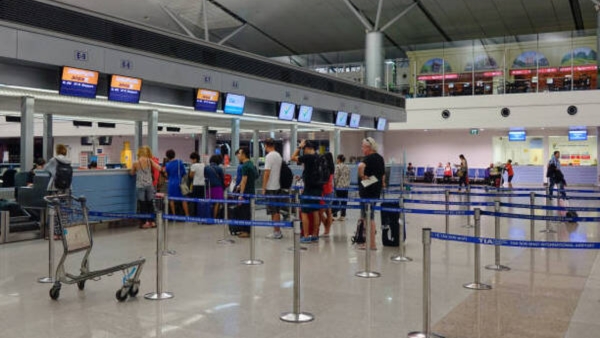
During peak days, the airport is projected to accommodate 108,000 passengers, with 44,000 of them being international travelers. This marks a 22% increase compared to regular traffic and a 25% rise over the same period in previous years. Noi Bai International Airport in Hanoi is preparing for an intense surge in passenger traffic during the April 30 – May 1 holiday period, with expectations to process over 2,000 passengers per peak hour. This significant uptick in passenger numbers is attributed to both domestic and international travel demand, as people across the globe plan their trips to celebrate the holiday season in Vietnam. Advertisement The holiday period, one of the busiest times of the year for the airport, will see a marked increase in flight activity. According to data from the airport, April 29 is expected to be the busiest day, followed closely by April 4. During these peak days, the airport will experience seven peak hour periods on April 29 and three peak hour periods on April 4, as passenger numbers soar to unprecedented levels.

Read more

Thailand Tightens Airport Rules for Liquids and Gels

Thailand has introduced tighter security measures for liquids, gels, and aerosols (LGAs) at airports to enhance safety and streamline the screening process for all travelers. Effective from April 22, 2025, these updated regulations replace the previous guidelines from 2019, applying to passengers, airport personnel, and crew. The changes aim to limit the volume of potentially hazardous substances that can be carried on board while ensuring smooth airport operations. With these new rules in place, travelers will need to follow stricter packing guidelines, including size limitations on containers and the use of transparent resealable bags, to help expedite security checks and improve overall flight safety. Thailand has introduced tighter security regulations regarding liquids, gels, and aerosols (LGAs) at all airports. Here’s a rundown of the new rules, exemptions, and essential packing tips for travelers.

Read more

Bengaluru Airport Becomes Asia’s First with Level 5 Carbon Accreditation

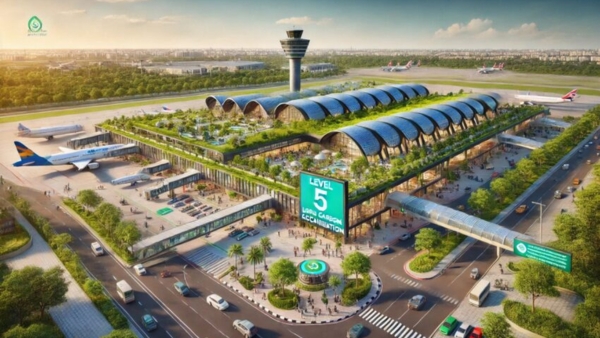
Bengaluru’s Kempegowda International Airport (BLR) has reached a major environmental milestone, becoming the first airport in Asia to earn the prestigious Level 5 Carbon Accreditation. This recognition comes as the airport celebrates a 95.6% reduction in Scope 1 and Scope 2 greenhouse gas emissions, marking a remarkable leap toward sustainability in the aviation sector. A Major Environmental Milestone for Asia’s Aviation Industry Advertisement On April 17, 2025, during the Airports Council International (ACI) Asia-Pacific & Middle East Regional Assembly in New Delhi, the airport was officially presented with the Level 5 accreditation. This momentous achievement highlights the airport’s efforts to reduce its carbon footprint and implement sustainable practices across its operations, positioning it as a leading example for airports globally. The recognition is effective from May 5, 2024, and it acknowledges Bengaluru Airport’s commitment to carbon management, aligning with global sustainability efforts to reduce aviation’s environmental impact. The Path to Carbon Neutrality Bengaluru Airport achieved this significant milestone by surpassing its original 2030 target, reaching net-zero status for Scope 1 and Scope 2 emissions a full seven years ahead of schedule. Scope 1 emissions refer to direct emissions from sources controlled by the organization, such as fuel combustion, while Scope 2 emissions involve indirect emissions from electricity usage. By addressing both categories, Bengaluru Airport has set a new standard for environmental stewardship in the aviation industry.

Read more

Air Astana celebrates 20 years in India with new Almaty-Mumbai service

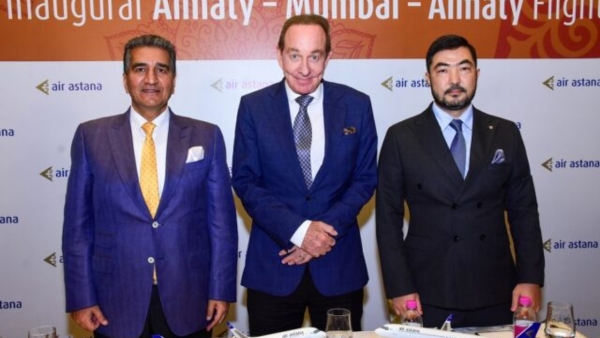
Air Astana has marked a major milestone in its India journey with the launch of a new direct service between Almaty and Mumbai, commemorating 20 years since it first entered the Indian market. The new route officially commenced on April 20, 2025, and will operate three times a week, strengthening air connectivity between Kazakhstan’s commercial hub and India’s financial capital. At a celebratory evening reception in Mumbai, the event beautifully showcased Kazakhstan’s rich cultural heritage with captivating traditional performances that enthralled the audience. Adding to the evening’s excitement, a lucky draw saw one fortunate guest win a complimentary round-trip Business Class ticket between Mumbai and Almaty. The event, filled with celebration, culture, and camaraderie, was thoroughly enjoyed by all in attendance. Air Astana Mumbai Reception (2)Air Astana Mumbai Reception (2) Peter Foster, President and CEO of Air Astana Group, said, “With the Indian economy growing strongly, Air Astana is delighted to launch services to Mumbai, a vibrant and flourishing metropolis driven by trade, finance and enterprise. Business and leisure travellers will now be able to experience the excellence of Air Astana’s in-services when flying between Kazakhstan and India’s most commercial cities.” The new Almaty-Mumbai service is scheduled as follows: Almaty to Mumbai: Wednesdays at 09:05, Thursdays at 20:20, Sundays at 04:35 Mumbai to Almaty: Wednesdays at 15:25, Fridays at 02:40, Sundays at 11:00 Fares for return travel start at INR 89,682 for Business Class and INR 31,685 for Economy. The flight duration is approximately 4 hours and 20 minutes.

Read more

Southeast Asia’s Tourism Rebounds Amid Regional Shifts and Chinese Influence

Southeast Asia’s Tourism Resurgence: A Complex Landscape Southeast Asia’s tourism industry is experiencing a resurgence, driven by Chinese travelers and evolving visa policies. The region, which had faced challenges in fully recovering from the pandemic, is now witnessing a steady rebound. However, this recovery is influenced by various factors, including economic pressures and geopolitical dynamics.​ Advertisement China’s Central Role in Regional Tourism Chinese travelers have emerged as a significant force in Southeast Asia’s tourism sector. Following China’s reopening in 2023, there has been a gradual increase in outbound tourism. Countries like Thailand, Vietnam, and Malaysia have seen a notable influx of Chinese visitors, contributing to the region’s tourism revival. For instance, Thailand recorded 6.7 million Chinese tourist arrivals in 2024, while Vietnam and Malaysia also reported substantial increases in Chinese visitors. ​ Visa Policies and Their Impact The introduction of visa-free policies has played a pivotal role in boosting tourism. Thailand, Singapore, and Malaysia have implemented mutual visa exemption agreements with China, facilitating easier travel for Chinese tourists. These policies have led to a significant rise in bookings, with some destinations experiencing a 15-fold increase in reservations compared to previous years. ​ Economic Pressures and Their Effects Despite the positive trends, the tourism industry faces challenges due to global economic pressures. U.S. tariffs and the weakening Chinese economy have raised concerns about the sustainability of the tourism boom. Analysts suggest that while Chinese tourists remain willing to spend on travel, macroeconomic factors may influence their travel behaviors and spending patterns. ​

Read more

Southeast Asia’s Tourism Rebounds Amid Regional Shifts and Chinese Influence

Southeast Asia’s Tourism Resurgence: A Complex Landscape Southeast Asia’s tourism industry is experiencing a resurgence, driven by Chinese travelers and evolving visa policies. The region, which had faced challenges in fully recovering from the pandemic, is now witnessing a steady rebound. However, this recovery is influenced by various factors, including economic pressures and geopolitical dynamics.​ Advertisement China’s Central Role in Regional Tourism Chinese travelers have emerged as a significant force in Southeast Asia’s tourism sector. Following China’s reopening in 2023, there has been a gradual increase in outbound tourism. Countries like Thailand, Vietnam, and Malaysia have seen a notable influx of Chinese visitors, contributing to the region’s tourism revival. For instance, Thailand recorded 6.7 million Chinese tourist arrivals in 2024, while Vietnam and Malaysia also reported substantial increases in Chinese visitors. ​ Visa Policies and Their Impact The introduction of visa-free policies has played a pivotal role in boosting tourism. Thailand, Singapore, and Malaysia have implemented mutual visa exemption agreements with China, facilitating easier travel for Chinese tourists. These policies have led to a significant rise in bookings, with some destinations experiencing a 15-fold increase in reservations compared to previous years. ​ Economic Pressures and Their Effects Despite the positive trends, the tourism industry faces challenges due to global economic pressures. U.S. tariffs and the weakening Chinese economy have raised concerns about the sustainability of the tourism boom. Analysts suggest that while Chinese tourists remain willing to spend on travel, macroeconomic factors may influence their travel behaviors and spending patterns. ​

Read more