Zimbabwe and BRANDit Host Roadshow to Attract Indian Tourists in Mumbai

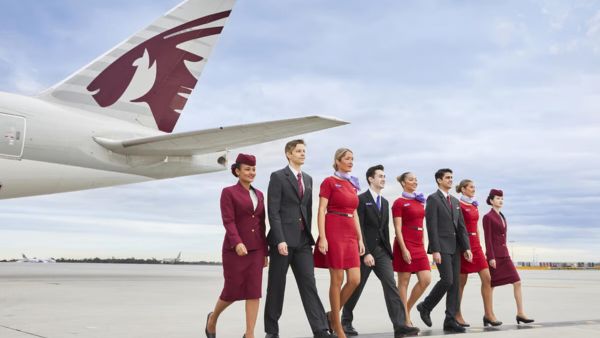
Zimbabwe tourism industry, in collaboration with BRANDit, recently hosted a highly successful roadshow in Mumbai to highlight the country’s diverse travel experiences to the Indian market. Held on August 22, 2024, the event showcased the best of Zimbabwe’s tourism offerings, bringing together 17 key stakeholders from the private sector. These included tour operators, destination management companies (DMCs), and representatives from both budget and luxury hospitality sectors, all eager to present Zimbabwe as a prime travel destination. Participants at the event featured renowned DMCs and activity operators such as Africa Travel Tours, Wild Horizons, Love for Africa, Mavigo Tours, Heritage Expeditions, Batoka Africa, and Routes Through Africa. The hospitality sector was represented by Bayete Collection, Shearwater, Rainbow Tourism Group, and Zambezi Boutique, offering a range of accommodations from affordable lodges to luxurious hotels. Luxury safari experiences were highlighted by Forthergill Island, Zambezi Cruise & Safaris, and Machaba Safaris. Adding to the allure, Chikopokopo Helicopters showcased their high-end helicopter services. Supporting the event were key figures such as Tongai M. Mnangagwa, Deputy Minister of Tourism and Hospitality Industry, and officials from the Zimbabwe Tourism Authority, including Sophia Hope T. Chimba, Zimbabwe Tourism Attaché in India. The presence of Zimbabwean cricket legend Hamilton Masakadza also added a notable touch to the proceedings. The primary aim of the roadshow was to strengthen ties between the tourism industries of Zimbabwe and India, encouraging mutual growth and cooperation. With its stunning natural beauty, rich cultural heritage, and welcoming hospitality, Zimbabwe is positioning itself as a top destination for Indian travelers. The event featured engaging presentations and networking sessions, connecting over 100 leading Indian travel professionals with Zimbabwe’s premier attractions, such as the majestic Victoria Falls, the wildlife-rich Hwange National Park, and the ancient Matobo Hills. The presentations underscored Zimbabwe’s appeal as a unique travel destination, highlighting its breathtaking landscapes, diverse safari experiences, vibrant cultural heritage, and various adventure activities. The message was clear: Zimbabwe is not just an add-on to other African trips but a distinguished destination in its own right. Facilitating travel to Zimbabwe has been made easier with daily flights to Harare offered by Emirates, Kenya Airways, and Qatar Airways. Emirates also runs daily services between Harare and Victoria Falls in partnership with Fastjet, supplemented by daily flights from Air Zimbabwe. Ethiopian Airlines provides additional daily connections between India and Zimbabwe. Indian tourists can obtain visas on arrival, with single-entry visas available for USD 30 and double-entry visas for USD 45. The successful roadshow in Mumbai marks a significant step in enhancing Zimbabwe’s visibility and appeal in the Indian market, paving the way for increased tourism and a stronger cultural connection between the two countries.

Read more

New road to reduce travel time between Assam and Meghalaya to 45 minutes

In a latest update, the road travel time between Assam and Meghalaya will be reduced to mere 45 minutes from 1.30 minutes. The infrastructure in Northeast India is experiencing significant advancements. This development promises to enhance transportation efficiency, providing a smoother and quicker journey for travelers. According to a recent article by The Shillong Times, the new road is expected to cut the travel time between Assam and Meghalaya by half. Built by Badri Rai And Company (BRC), the road extends 36 kilometers and cost over ₹78 crore to construct. It connects Damra in Assam to Bajengdoba in Meghalaya. Previously, the journey between these two points took approximately 1.5 hours, but with the new road, this time has been reduced to around 45 minutes. The road is designed to be durable, with improvements that ensure a longer lifespan and a smoother, pothole-free experience for motorists. This enhancement will be particularly beneficial for residents of North Garo Hills (NGH), who will experience a more efficient connection to Assam. The road’s construction began in 2020, though it faced delays for various reasons. Now completed, it represents a significant boost to the region's transportation infrastructure. The completion of this road highlights the ongoing infrastructure improvements in Northeast India. The new route addresses a critical need, demonstrating that the concerns of local residents are being addressed. The reduced travel time not only improves daily commutes but is also expected to stimulate local trade and commerce, fostering economic growth in the region. Meghalaya is one of the most gorgeous and naturally blessed states in Northeast India, offering a beautiful blend of natural beauty and cultural richness. Known for its lush landscapes, the state features stunning attractions like the Living Root Bridges, Cherrapunji’s breathtaking waterfalls, and the picturesque town of Shillong. Meghalaya’s unique cultural heritage is showcased through vibrant festivals and traditional handicrafts. Visitors can explore the serene hills, enjoy trekking in dense forests, and experience the warmth of local tribes. With its diverse offerings, from scenic vistas to rich traditions, Meghalaya promises an unforgettable experience for nature lovers and adventure seekers alike.

Read more

France in Europe to become most visited country in the world by 2025

In a recent update, France is all set to become the most visited country in the world by 2025. The country, which is home to the most famous and most visited attraction in the world, Eiffel Tower, will become the most visited nation according to projections by GlobalData. The data and analytics firm anticipates that France will attract 93.7 million international visitors by this time, surpassing Spain, which overtook France in 2021. As per GlobalData’s recent report, Western Europe (2022), highlights that France was the world’s top travel destination before the COVID-19 pandemic, drawing 88.1 million visitors in 2019. Although Spain claimed the top spot in 2021, France is on track to regain its lead, having welcomed 66.6 million international visitors in 2022. The number of visitors to France is expected to grow at a compound annual growth rate (CAGR) of 12.1% from 2022 to 2025. Hannah Free, Travel & Tourism Analyst at GlobalData, notes that France, alongside Italy and Spain, plays a major role in the growth of Western European tourism. The country attracts visitors from across Europe, including the UK, Germany, and Belgium, as well as from farther afield, such as China and the United States. In fact, France is one of the top Western European destinations for American travellers. In 2021, Spain drew 26.3 million visitors, overtaking France to become the leading destination in Western Europe. By 2025, Spain is projected to welcome 89.5 million international tourists, with a CAGR of 12.2% between 2022 and 2025. Tourism to both France and Spain is expected to remain robust, driven by their rich offerings in festivals, culture, and gastronomy. Each country boasts unique cultures, cuisines, and landscapes, with diverse coastlines and varying terrains adding to their appeal. Both nations are relatively large, providing a range of experiences for travellers. A significant advantage for France is its transportation network, which facilitates easy travel between major cities. High-speed trains connect many of France’s key destinations, making it convenient for visitors to explore the country. France remains a premier travel destination, renowned for its diverse attractions and rich cultural heritage. Visitors flock to Paris for iconic landmarks like the Eiffel Tower and Louvre Museum, while the picturesque countryside offers charming towns, vineyards, and lavender fields. The French Riviera beckons with its glamorous beaches and Mediterranean allure, and the Alps provide stunning landscapes and skiing opportunities. France’s culinary delights, from gourmet dining to artisanal pastries, further enhance its appeal. Whether exploring historical sites, enjoying world-class art, or indulging in local cuisine, France consistently captivates travelers with its elegance and variety.

Read more

CM Yogi Adityanath to inaugurate Radha Rani Ropeway in Barsana

The new Radha Rani ropeway in Barsana in Uttar Pradesh, set to open on August 25, 2024, aims to transform access to the revered Radha Rani Temple. This new mode of transport will ease the journey for devotees, replacing a strenuous climb with a swift, scenic ropeway ride, adding to the pilgrimage experience. Barsana is renowned as the village of Radha and is a key pilgrimage site. The ropeway is expected to ease access during major festivals such as Latha Maar Holi and Radha Ashtami, enhancing the experience for both local devotees and international tourists. Inauguration: The ropeway at the Radha Rani Temple in Barsana is set to begin operations on August 25, 2024, coinciding with the Janmashtami festival. This development aims to facilitate smoother access to the temple, which is situated 600 ft above the ground. Construction Cost: The ropeway project, executed by the Mathura Vrindavan Development Authority (MVDA) under a Public Private Partnership (PPP) model, cost INR 15.89 crore. This investment reflects the significant resources dedicated to enhancing pilgrimage accessibility. Project Execution: The construction of the ropeway was managed by MVDA, with the project funded and executed in partnership with private entities. This collaboration highlights the integration of public and private efforts in developing infrastructure. Gondolas: The ropeway features two towers and twelve gondolas imported from Indonesia, Germany, and China. These gondolas are designed to provide a comfortable ride to devotees and tourists. Travel Time: The ropeway spans 300 meters and will cover the distance between the lower and upper stations in approximately three minutes. This significantly reduces the time required to reach the temple compared to the previous arduous climb of over 200 stairs. Capacity: Each gondola can carry up to six passengers, and three gondolas will be operational simultaneously. This setup ensures efficient and smooth transportation for a large number of visitors. Additional Stairs: Alongside the ropeway, a new set of stairs is being constructed for those who prefer to climb. The stairs will feature 275 steps and provide an alternative route to the temple, catering to different visitor preferences. Environmental Considerations: The project faced delays due to environmental concerns. To address these, the National Green Tribunal required compensation for tree removal. In response, ten times the number of felled trees were planted nearby, and photographic evidence was provided to ensure compliance. History of ropeway: The idea for the ropeway was proposed in 2016 during the Samajwadi Party regime. However, it took several years to gain necessary approvals and complete construction due to regulatory and environmental hurdles.

Read more

Kolkata-Bangkok Highway: The trilateral highway linking India, Myanmar, and Thailand

The Kolkata-Bangkok Highway, also known as the Trilateral Highway, is an ambitious project aimed at enhancing connectivity between India, Myanmar, and Thailand. Stretching from Kolkata in India to Bangkok in Thailand, the highway will pass through Myanmar, facilitating improved trade relations and regional integration. This project, which aligns with India’s Look East Policy, is part of the Bay of Bengal Initiative for Multi-Sectoral Technical and Economic Cooperation (BIMSTEC) and is poised to be one of the longest highway projects in India. The vision behind the highway Initiated in 2002 under the leadership of former Indian Prime Minister Atal Bihari Vajpayee, the Trilateral Highway was conceived to promote friendly ties between India, Myanmar, and Thailand. The project aims to create seamless connectivity across the three nations, fostering economic growth and enhancing regional cooperation. Despite facing multiple challenges and delays, the highway is expected to be completed by 2027, offering a new dimension to trade and travel in the region. The completion of the Kolkata-Bangkok Highway is anticipated to bring significant benefits, particularly in terms of trade and connectivity. Here are some of the key advantages: Increased trade: The highway will facilitate an increase in exports and imports between India and the ASEAN nations, strengthening economic ties and boosting trade volumes. Connecting important cities: The highway will link several key cities across the three countries, including Bangkok, Yangon, Mandalay, and Kolkata. In India, towns like Siliguri, Guwahati, and Kohima will also be connected, enhancing regional accessibility. The highway will serve as a crucial link in the East-West Corridor and the Ayeyawady-Chao Phraya-Mekong Economic Cooperation Strategy, extending connectivity to Cambodia, Laos, and Vietnam. Improved travel options: Once the highway is operational, it will provide an alternative to air travel, allowing people to drive between Kolkata and Bangkok, potentially reducing travel costs. The highway is divided into different stretches, carefully planned to optimise connectivity and facilitate smooth travel across the three nations. Once completed, the Kolkata-Bangkok Highway will stand as a symbol of regional cooperation and development, transforming the landscape of trade and travel in Southeast Asia.

Read more

KPMG-PHDCCI Reports Growth of Pilgrimage and Spiritual Travel Tourism in India

KPMG-PHDCCI report unveils the rise of pilgrimage and spiritual travel tourism in India, highlighting its growth, economic impact, and future opportunities. Pilgrimage and spiritual tourism are emerging as significant segments within the global tourism industry, reflecting an increasing interest in cultural, spiritual, and faith-based travel experiences. India, home to over 450,000 religious and cultural heritage sites, boasts a wealth of pilgrimage and spiritual landmarks. The recent report by KPMG in India and PHDCCI, titled “Sacred Journeys: Unfolding the Evolution and Growth of Pilgrimage and Spiritual Tourism in India,” was unveiled at PHDCCI’s 1st Global Spiritual Tourism Conclave. The report delves into the key drivers of this tourism sector, its economic impact, and the challenges and opportunities it presents for various destinations. With spiritual tourism in India on the brink of substantial growth, understanding the diverse motivations of pilgrims and providing tailored solutions is essential. Equally important is recognizing the inherent risks and sensitivities to ensure that this form of tourism promotes respectful, sustainable, and mutually beneficial interactions between visitors and host communities. The report underscores that, in the post-pandemic era, spiritual tourism has gained increased prominence, marked by a rise in the number of travelers and economic activity both globally and within India. The evolution of religious tourism now caters to contemporary travelers who seek more meaningful, responsible, and transformative experiences. Digital technology has significantly influenced religious tourism, with modern trends showcasing a blend of traditional and contemporary practices. The rise in religious tourism in India can be attributed to increased digital exposure and favorable reviews from travel bloggers. The popularity of virtual pilgrimages, which soared during the COVID-19 pandemic, continues to shape travel preferences. Many pilgrims now combine their spiritual journeys with medical treatments or wellness retreats. Improved connectivity and infrastructure have further facilitated easier travel, making it more convenient for visitors to access these destinations. Identifying various categories of pilgrims and addressing their specific needs is crucial for enhancing the pilgrimage experience and effectively managing resources. Pilgrimage tourism can be broadly categorized into explorers, solo travelers, and mass-organized pilgrims. Strategies to address these needs include the holistic development of religious sites by integrating adventure and wellness tourism, enhancing the visibility of lesser-known sites through research, preservation, and community involvement, and implementing educational programs to attract tourists interested in cultural enrichment. Vivek Agarwal from KPMG highlighted the importance of adopting a comprehensive, holistic, and sustainable approach to developing pilgrimage sites to enrich spiritual experiences and preserve these destinations. Aalap Bansal pointed out that while digital tools and social media have expanded the reach of spiritual practices, issues such as over-tourism and infrastructure strain must be addressed through sustainable practices and diversified tourism offerings. Ultimately, pilgrimage and spiritual tourism offer substantial opportunities for economic growth and cultural exchange, provided that development is managed to safeguard cultural and religious heritage for future generations.

Read more