Corporate Travel 2026: A Smart Guide to Safer, High-Value Business Trips

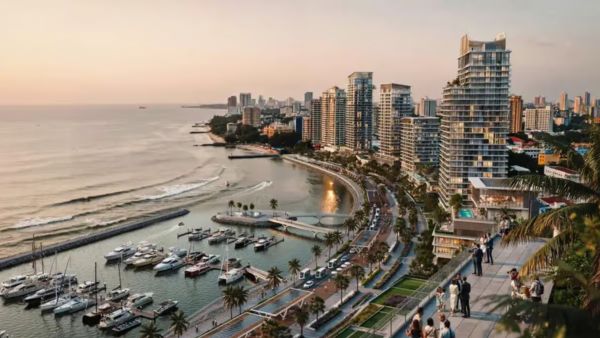
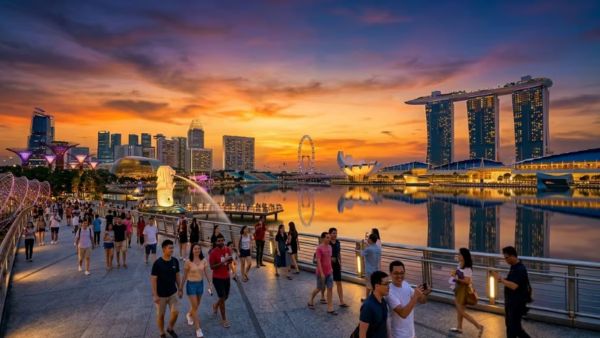
Corporate travel in 2026 is no longer about routine trips and hotel stays. Companies are now focusing on smarter, higher-value journeys. Business trips are designed to generate results, save costs, and provide meaningful experiences for travellers. This shift allows employees to explore destinations, culture, and local cuisine while fulfilling business goals. Travel managers are prioritising trips that matter, avoiding unnecessary journeys that add little value. For global travellers, this approach makes business trips more enjoyable and productive. The emphasis is on efficiency, experience, and purpose in every journey. Businesses are now treating travel as an investment rather than an expense. High-value trips, such as key client meetings, leadership gatherings, and industry events, take precedence. Routine office visits or minor internal meetings are increasingly replaced by virtual or hybrid alternatives. This means travellers focus on journeys that truly matter, combining work with meaningful experiences. In Asia, cities like Singapore, Tokyo, Bangkok, and Kuala Lumpur are central hubs. These cities offer not just business facilities but cultural experiences, local attractions, and vibrant culinary options that make trips more memorable. Technology is a cornerstone of modern corporate travel. Advanced apps and platforms simplify booking, approvals, and expense tracking. They also help manage last-minute changes, flight delays, and itinerary adjustments. Artificial intelligence now predicts travel disruptions, suggests alternative routes, and improves efficiency. Mobile tools provide real-time alerts, ensuring travellers feel secure and informed. For employees, technology means less stress, smoother trips, and more time to enjoy local attractions or explore new cities during free time. Smart travel tech allows business explorers to plan every detail confidently and efficiently.

Read more

Phu Quoc Island Puts Vietnam on the 2026 Travel Map as a Top Affordable Escape

Vietnam’s Phu Quoc Island is set to redefine affordable luxury travel in 2026, becoming a must-visit destination for travelers seeking a perfect blend of stunning natural beauty, thrilling attractions, and unbeatable value. Known for its pristine beaches, crystal-clear waters, and vibrant local culture, Phu Quoc offers an array of experiences that cater to every type of traveler—from beach lovers to adventure seekers. With its competitive airfare prices, a significant rise in international visitor numbers, and a continuous expansion of its tourism infrastructure, the island is solidifying its reputation as an accessible luxury destination. Whether it’s exploring the breathtaking vistas from the world’s longest cable car or enjoying world-class entertainment at Sunset Town, Phu Quoc is poised to offer a truly unforgettable and affordable vacation experience. As travel trends in 2026 shift towards a blend of affordability and enriching experiences, Phu Quoc Island has positioned itself as a standout destination that balances both cost-effective travel and an increasingly diverse array of tourism offerings. The island has quickly become one of the most affordable and desirable travel spots globally, drawing attention from budget-conscious travelers and those seeking unique experiences. Phu Quoc’s appeal has skyrocketed in recent years, particularly in the realm of air travel. According to Skyscanner’s Cheapest Destinations 2026 report, Phu Quoc is highlighted as the only Vietnamese destination featured in the list of places offering the lowest average airfares globally. This recognition is based on flight searches and bookings conducted across the globe in 2025, with the island joining other renowned destinations like Phuket, Manila, and Denpasar in the affordable travel category.

Read more

Vietnam Joins Global Push for Visa-Free Travel to Boost Tourism

Vietnam Joins Uzbekistan, China, Malaysia, Kenya, Philippines, and Other Nations in a Bold Move to Attract More Tourists with Breakthrough Visa-Free Travel Schemes by introducing a series of liberalized visa policies aimed at simplifying entry procedures for international visitors. This strategic initiative, unveiled by Vietnam’s government in early 2026, is designed to make the country more accessible and attractive to high-value tourists from major markets across the globe. By removing barriers such as visa requirements and expanding digital visa options, Vietnam is positioning itself as a key player in the global tourism sector, joining other nations like Uzbekistan, China, Malaysia, Kenya, and the Philippines, which have similarly embraced visa-free or simplified travel to boost their tourism industries. Vietnam, a country known for its rich cultural heritage, stunning landscapes, and rapidly growing tourism sector, has recently made headlines by unveiling its new visa-free travel policies. This move, which is part of a broader initiative to drive economic growth through tourism, is expected to transform the nation into a key global tourism hub. But Vietnam is not alone in its quest to attract more international visitors; several other countries, including Uzbekistan, China, Malaysia, Kenya, and the Philippines, have also launched similar policies in recent years. Together, these countries are contributing to a global tourism boom, creating new opportunities for travelers and businesses alike. Vietnam has long been recognized for its stunning landscapes, from the lush Mekong Delta to the picturesque Ha Long Bay and the vibrant streets of Hanoi and Ho Chi Minh City. However, the country has also understood that in order to solidify its position as a global tourism destination, it must make significant efforts to simplify travel procedures for international tourists.

Read more

Malaysia Launches Visit Malaysia Year 2026 at the UK’s Biggest Travel Show

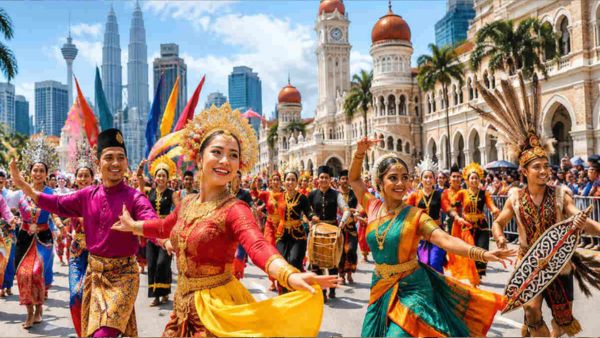
Malaysia is set to make a grand return to the United Kingdom’s flagship travel exhibition, Destinations: The Holiday & Travel Show, taking place from 29 January to 1 February 2026 at Olympia London. This appearance marks the official launch of Malaysia’s UK-focused activities for Visit Malaysia Year 2026, offering an engaging platform to present the nation’s wide-ranging attractions to both British travelers and international visitors. The exhibition will spotlight Malaysia’s unique appeal as a destination that blends natural beauty, cultural richness, and modern urban experiences. Visitors will be invited to explore well-known highlights alongside hidden gems, from serene tropical beaches and biodiverse rainforests to bustling cities filled with culinary delights and historic architecture. The pavilion aims to inspire travelers to create personalized itineraries that reflect Malaysia’s versatility as a year-round destination. Destinations: The Holiday & Travel Show is the UK’s largest and longest-running travel event, bringing together over 600 travel brands, including more than 90 national tourism boards. It features a vibrant schedule of talks, workshops, cultural performances, and interactive experiences designed to give visitors a full sense of destinations worldwide. With input from over 100 travel specialists, the exhibition provides a unique opportunity for attendees to experience destinations beyond brochures, through live demonstrations, immersive displays, and engaging storytelling.

Read more

Thailand Tops Asia’s Lunar New Year Travel List with Bangkok at the Heart of Celebrations

Thailand is rapidly gaining recognition as one of Asia’s top destinations for Lunar New Year celebrations, drawing travelers from across the region as well as domestic visitors seeking cultural festivities and vibrant experiences. Bangkok has emerged as the centerpiece, ranking as the most popular city for local travelers while also becoming the second-most sought-after international destination during the holiday period. The city’s seamless blend of tradition, entertainment, and modern urban appeal has made it a must-visit hub for Lunar New Year festivities. Regional travel patterns reveal shifting preferences. While Japanese cities continue to be top choices for Thai travelers, with Tokyo, Osaka, and Taipei dominating international bookings, Thailand itself has surpassed Japan as the leading destination for travelers from mainland China during the Lunar New Year. This change highlights the growing regional appeal of Thailand as a destination offering diverse experiences—from cultural immersion to coastal leisure and urban celebrations. Inbound travel to Thailand during this period is led by Chinese visitors, followed by tourists from Malaysia and South Korea. Bangkok’s Chinatown becomes a focal point of activity, with streets glowing under red lanterns, bustling markets, and energetic lion dance performances. Temples throughout the city welcome worshippers and tourists seeking blessings, creating a festive atmosphere that merges spiritual tradition with contemporary celebrations.

Read more

Europe Charts a Bold Tourism Future with Sustainability and Smart Investment

Europe is reshaping its tourism future because climate pressures, overtourism, workforce challenges, and fast-changing traveller behaviour have exposed the limits of traditional growth models, prompting policymakers and industry leaders to come together around a new vision that places sustainability, accessibility, digital intelligence, and responsible investment at the centre of long-term competitiveness and destination resilience. Europe’s tourism future took centre stage in Brussels on Monday, 26 January, as European Tourism Day brought together policymakers, industry voices, investors, and subject-matter experts for a wide-ranging discussion on where the sector is headed and how it can adapt to a rapidly changing world. The gathering focused on how Europe can build a tourism model that is more resilient, competitive, and prepared for long-term challenges, while continuing to attract travellers from across the globe. The event served as a platform to examine how tourism must evolve beyond traditional growth models. With travel patterns shifting and pressure mounting from climate change, labour shortages, digital disruption, and rising traveller expectations, participants explored what “tourism of tomorrow” should look like. Sustainability emerged as a central theme, not as a buzzword, but as a practical necessity for destinations that want to remain viable in the long run.

Read more