Sunken museum at Humayun's Tomb site in Delhi to be inaugurated on July 29

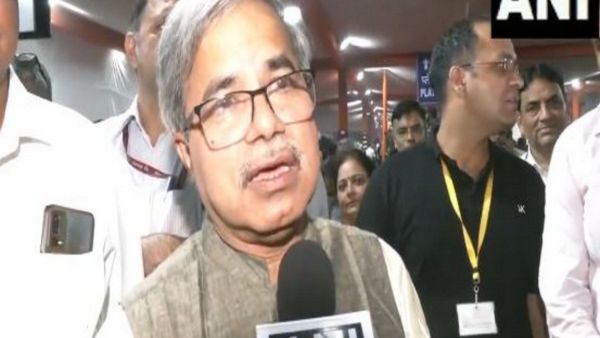
The country's first sunken museum at the Humayun Tomb complex, a UNESCO World Heritage Site, in Delhi is all set to be inaugurated on Monday. It will open for visitors from July 30, a senior official of the Archaeological Survey of India (ASI) said. Union Culture and Tourism Minister Gajendra Singh Shekhawat is slated to inaugurate the new museum in the presence of Prince Rahim Aga Khan. The inauguration will coincide with the ongoing 46th session of the UNESCO World Heritage Committee here. The museum, whose layout is inspired by the medieval 'baolis', or traditional water tanks, showcases the legacy of Mughal emperor Humayun, including lesser-known facets of his life, and the heritage of the Nizamuddin area over the last seven centuries. The finial of the Mughal monument (Humayun's Tomb) which was knocked off in a 2014 storm is its "centre-piece". Other old artefacts on display include 'farmans', an astrolabe, a celestial sphere of the 1840s era and a warrior's helmet from approximately the 16th or the 17th century. Work began on the construction of the country's first sunken museum at the iconic 16th-century tomb here in April 2015. The project was earlier planned to be inaugurated in 2017. The ramps and giant sheesham doorways lead to a subterranean world where the story of the second Mughal emperor, the scholar and the traveller comes alive. Humayun's remarkable life is retold through paintings, scrolls and artefacts. Using cutting-edge technology, the iconic museum in south Delhi also meticulously recreates the timeline of the construction of the 14th-century Nizamuddin Dargah complex in its vicinity through 3-D videos complemented with detailed wooden scale models. The museum has been constructed at the entrance zone of the world heritage complex and would serve as a bridge between the three sites of Nizamuddin, Sunder Nursery and the 16th-century tomb, which was inscribed on the World Heritage List in 1993 with minor boundary modification in the inscription in 2016 making it a heritage complex. The first principal gallery of the museum, 'Where the Emperor Rests', highlights the architectural splendour of Humayun's mausoleum, and the personality of the emperor is depicted through exhibits telling stories of his travels, marriage, administration of his kingdom, his deep interest in reading, astrology and the arts, and his patronage of architecture and gardens. Architectural models of the tomb, an architectural design plan showing the layout of the first floor of the tomb, rare paintings, meticulously made replicas of chhatris and dome artwork, along with digital walls playing videos on the creation of the magnificent mausoleum are a treat to the eyes. The tomb of Humayun was built by his widow, Biga Begum (Hajji Begum), in 1569-70, 14 years after his death, according to a portal of the ministry of culture. The Aga Khan Trust for Culture (AKTC) has built the museum on behalf of the ASI as part of the urban renewal initiative.

Read more

Sandiaga Salahuddin Uno discusses prospects of collaboration between India and Indonesia

Indonesia has highlighted the importance of the “creative economy” by establishing a Ministry for the Promotion of Cultural and Creative Industries. Manish Chand interviewed Indonesia’s Minister of Tourism and Creative Economy, Sandiaga Salahuddin Uno, in Jakarta to discuss potential collaboration between India and Indonesia in this emerging field. Minister Uno emphasised the cultural similarities between the two nations and advocated for the creation of joint creative hubs to fully harness the creative economy’s potential. He also sees the upcoming World Conference on Creative Economy in Tashkent as pivotal for fostering global partnerships and innovation. Indonesia is one of the few countries with a dedicated Ministry of Tourism and Creative Economy. Minister Uno highlighted that the creative economy contributes about 8% of Indonesia’s GDP and employs around 25 million people, or over 10% of the workforce. The sector includes industries like culinary arts, creative design, fashion, handicrafts, music, film, animation, and games, and it is growing at nearly twice the rate of the overall economy. The ministry focuses on policy-making, training, promotion, and providing access to funding for the nearly 60 million creative economy micro, small, and medium enterprises (MSMEs) across the country. Regarding collaboration between India and Indonesia, Minister Uno sees vast potential due to their vibrant creative and cultural industries. He noted that India now ranks second in international tourist arrivals in Bali, reflecting deep cultural ties. Both countries have strong emphases on science, technology, and cultural heritage, which could benefit from infrastructure improvements and increased access to financing. Minister Uno suggested developing joint creative hubs to foster collaboration and participation in the sustainable global supply chain, enhancing the creative workforce’s competitiveness. To address connectivity challenges, Minister Uno mentioned efforts to establish more direct flights between Indian cities and major economic centers in Indonesia, such as Delhi-Jakarta and Mumbai-Denpasar. Other potential routes include Chennai-Kualanamu and connections to Lake Toba. The ministry is also leveraging hubs in Vietnam, Kuala Lumpur, Singapore, and exploring links through Bangkok as part of the ASEAN single-destination concept. He noted the growing popularity of Bollywood and Indian weddings in Bali and the potential for Indonesian movies to succeed in India, advocating for integration across diverse creative sectors to create a thriving industry. The World Conference on Creative Economy in Tashkent aims to emphasise peace and harmony amid global tensions. Minister Uno stressed that the creative economy drives the next phase of the global economy and is essential for cultural exchange, promoting understanding, respect, social inclusion, and conflict resolution. He believes that despite differences, countries can unite around creativity and innovation, with music, literature, and film fostering empathy and unity.

Read more

Gujarat: Dharoi Dam set for tourism transformation from adventure sports to cultural hubs

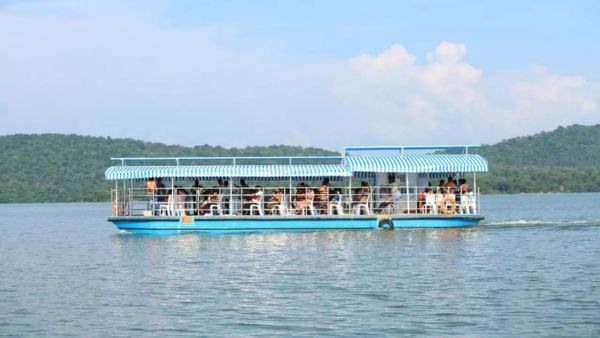
In a major development for North Gujarat, the Dharoi Dam area is set to be transformed into a world-class sustainable tourism destination. The state government has launched several projects to develop Dharoi Dam as a central tourism hub, linking prominent sites like Vadnagar, Taranga, Ambaji, and Rani Ki Vav, all within a 90 km radius. The entire project will be executed in three phases, with an estimated cost of ₹1100 crore. The development plan includes an Adventure Water Sports Arena, a River Edge Development Leisure Show Infrastructure with an Amphitheatre, various parks such as Panchatatva Park and Naad Brahm Upavan, and facilities like a Visitor Centre and Water Experience Park. District Development Officer of Mehsana, Hasrat Jasmine, said, "The long-term vision is to develop North Gujarat into a major tourism circuit, with Dharoi as the central point. Surrounding pilgrimage sites like Ambaji, Hatkeshwar Temple, and Vadnagar will serve as peripheral points. This project is expected to generate significant revenue and establish the area as a cultural centre." The project is expected to reach its final stage within two years, with 80 per cent of land acquisition already complete. A Public-Private partnership (PPP) model is being considered to expedite the development. Tourists are already excited about the new facilities, comparing them to the Statue of Unity. Tejinderpal Singh, a tourist from Gandhinagar, said, "It is being made even bigger than the Statue of Unity. The facilities here are going to be world-class, including seaplanes. With nearby attractions like Ambaji and Khedbrahma, tourists will flock here." Local villagers are also optimistic about the positive impact. Nareshbhai, the village head of Dharoi, said, "The government's project will put our village on the map. It's a big project that will provide jobs and become a source of livelihood for our people. It will be a great tourist site." With the development of spiritual, adventure, and eco-tourism, the Dharoi Dam area is poised to become a major economic force in North Gujarat, creating new employment opportunities and boosting regional tourism.

Read more

Himachal Pradesh: Bhohat Kasol to become year-round tourist hub, will offer 20+ adventure activities

An action plan is being prepared to develop Bhohat Kasol in Himachal Pradesh's Bilaspur district into a comprehensive tourist destination, officials said on Saturday. A team of administrative officials has inspected the area near Kol Dam. Deputy Commissioner of Bilaspur district Abid Hussain Sadiq said the water level in Kol Dam remains the same throughout the year, providing an excellent opportunity for tourism throughout the year. Once the area is developed into a tourism hub, tourists will get a chance to enjoy more than 20 adventure activities, he said. "Bhohat Kasol will be developed as a comprehensive tourist destination for which a detailed action plan is being worked out," the deputy commissioner said, adding that Bhohat Kasol will be turned into a rural tourist destination. Urban people will be able to enjoy the rural lifestyle, Sadiq said. He added that all other possibilities of tourism in the area will be explored.

Read more

Vistara becomes 1st Indian airline to offer free Wi-Fi on international flights

The Tata-Singapore Airlines joint venture airline said the complimentary, 20-minute Wi-Fi access will allow passengers in all cabins to stay connected and is ideal for those who wish to purchase extended Wi-Fi plans using Indian credit/debit cards. In some good news for flyers, Vistara on Saturday said it will offer 20 minutes of free Wi-Fi on international flights, making it the first Indian airline to provide this benefit. The Tata-Singapore Airlines joint venture airline said the complimentary, 20-minute Wi-Fi access will allow passengers in all cabins to stay connected and is ideal for those who wish to purchase extended Wi-Fi plans using Indian credit/debit cards. The service, available on Boeing 787-9 Dreamliner and Airbus A321neo aircraft, enables customers to receive one-time passwords via email, facilitating the purchase of extended in-flight Wi-Fi during the active session, according to Vistara. "We are confident that customers will appreciate this value addition, which aims to make their Vistara journey more convenient, productive, and seamless," said Deepak Rajawat, Vistara's Chief Commercial Officer. Additionally, 50 MB of complimentary Wi-Fi is provided for Business Class and Platinum Club Vistara members. According to the airline, non-members will be charged Rs 372.74 plus GST for unlimited data access on messaging apps such as WhatsApp. For internet surfing on these flights, the airline has priced the service at Rs 1,577.54 plus GST, which includes audio and video streaming on social media and the web. Unlimited data, allowing all streaming protocols, is available for Rs 2,707.04 plus GST, said Vistara. The airline said its in-flight entertainment systems offer nearly 700 hours of content, including movies, TV shows, and audio titles.

Read more

Rome’s Appian Way or Queen of Roads gets UNESCO World Heritage status

The Appian Way, also famous as the Regina Viarum or Queen of Roads, has been officially added to UNESCO’s World Heritage list. This historic route is known as Rome's first highway and is now celebrated for its immense cultural and historical significance. It was constructed in 312 BC under the direction of Appius Claudius Caecus, a Roman censor. The Appian Way initially served as a crucial military road connecting Rome to Brindisi in southeastern Italy. Over time, it evolved into a major artery for commerce, culture, and communication across the Roman Empire. The addition of the Appian Way to UNESCO's list marks Italy’s 60th site recognized by the UN’s cultural agency. This prestigious designation acknowledges the road's profound impact on the development of infrastructure and its role in fostering cultural and social exchanges throughout the Mediterranean and beyond. Culture Minister Gennaro Sangiuliano praised the decision, highlighting the road's exceptional engineering and its importance in historical trade and cultural interactions. The recognition underscores the enduring legacy of the Appian Way, reflecting its universal value as a monumental feat of Roman engineering and a vital conduit for historical connections. The announcement, made on the social media platform X, celebrates the Appian Way not only as a remarkable piece of history but also as a cherished modern tourist attraction. Its designation as a World Heritage site ensures that its historical and cultural significance will continue to be preserved and appreciated for future generations. More about the Appian Way: Stretching over 350 miles, the Appian Way was renowned for its durability and strategic importance. Its well-engineered paving stones and strategic construction showcased Roman ingenuity in infrastructure, laying the groundwork for future road-building techniques. Over the centuries, it became a crucial artery for economic and cultural exchange, linking Rome with the broader Mediterranean world. This vital road facilitated the movement of troops, goods, and people across the Roman Empire, significantly enhancing trade and communication. Today, the Appian Way stands as a living example of Rome's engineering prowess and historical impact. Recognized as a UNESCO World Heritage site, it continues to attract visitors who marvel at its historical significance and well-preserved remnants, offering a glimpse into the grandeur of ancient Rome.

Read more