Bhutan Is Boosting The Tourism Industry With New Visa Free Travel Policy

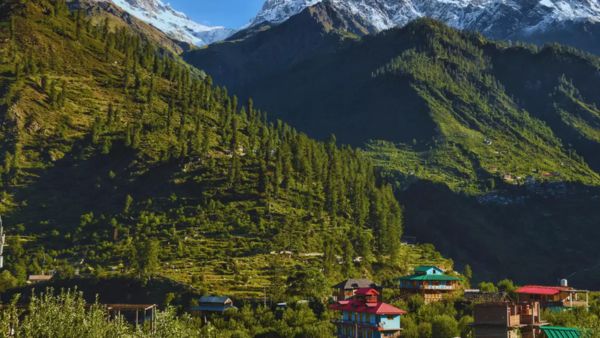
Bhutan, located high in the Himalaya, stands out as a distinctive country, enriched both culturally and environmentally. With easy visa free policies it holds the title of the world’s last remaining Buddhist Kingdom, fostering the unique philosophy of Gross National Happiness. This approach focuses on measuring development through a comprehensive well-being perspective rather than relying solely on gross domestic product metrics. Situated to the west of the Indian state of Arunachal Pradesh and to the east of Nepal Bhutan boasts Thimphu as its capital, nestled at an elevation of 7700 feet. Thimphu, a quaint city nestled in the heart of the Himalayas, strictly adheres to traditional Bhutanese architectural styles for all its constructions, imposing limitations on building heights. With visa free access for 3 countries . April 2024 has brought promising news from Bhutan, as the Bhutan Development Update reveals the economy is on the brink of a robust recovery. For the fiscal year 2022/23, experts forecast a 4.6 percent increase in real GDP, a significant uplift attributed primarily to the surge in tourism activities. This upswing follows a challenging period of economic shrinkage over two consecutive years, a direct aftermath of the COVID-19 pandemic. Projections for the fiscal year 2023/24 are even more optimistic, expecting growth to accelerate to 4.9 percent. This year between January 1 and March 31, Bhutan received a record number of visitors. Of the more than 25,000 visitors during this period, 60% originated from India. March 2024 alone was the third-busiest month since the kingdom’s reopening, and during the month, 57% of the tourists were from India. Bhutan has made travel for Indians simple as visitors only require a permit to enter the country at a fee that is lower compared to tourists from other parts of the world. This year, the kingdom is expecting around 150,000 Indian tourists, more than double of 2023 levels, Bhutan’s prime minister Tshering Tobgay said last month. Celebrating half a century of tourism, Bhutan unveils an exclusive India Road Show, set to take place from June 17 to 21, 2024. This initiative highlights Bhutan’s summer travel prospects since its tourism inauguration in 1974, with India standing as a crucial market. As India gears up for its peak vacation period, the road show will traverse through four key cities—Delhi, Mumbai, Kolkata, and Ahmedabad. This gathering aims to facilitate interactions among travel experts, uncover new business prospects, and craft bespoke travel experiences within Bhutan. Bhutan has emerged as a prime destination for Indian tourists, especially in the warmer season. In May 2024, the number of Indian visitors to Bhutan soared to 19,212, doubling from the previous month’s figures. This remarkable surge highlights Bhutan’s growing appeal among Indian vacationers. New charter flights to meet demand According to media reports in India, the online travel agency MakeMyTrip has announced a new exclusive charter service between Mumbai and Bhutan. This service is part of its holiday packages, and the exclusive charter will depart once a week. The service has been launched due to the increasing popularity of Bhutan among Indian travellers. On the MakeMyTrip platform, Bhutan is among the five most-searched emerging destinations, with a year-on-year increase of more than 200 percent. The charted flight is catered by Drukair and Bhutan Airlines from Mumbai to Paro and Bengaluru to Paro. Currently, 12 charted flights are booked, five chartered flight with Drukair and seven with Bhutan Airlines, starting from April 27 to June 2 this year, each carrying around 120 to 130 passengers from three tour companies from India. The Department of Immigration confirms that the data includes only visitors entering Bhutan as tourists and excludes those entering under any other category. Drukair, Bhutan’s national airline, provides direct flights from Paro International Airport to multiple destinations across Asia. Travelers can fly directly to Bangkok, Delhi, Kolkata, Kathmandu, Dhaka, Singapore, Mumbai, and Guwahati, facilitating easy access to and from Bhutan. Located about 50 kilometers from Paro Airport and sitting at an elevation of 2,700 meters, Chomolhari or Jomolhari Mountain stands as a breathtaking destination in Bhutan. Nestled on the border between Tibet, China, and Bhutan, the mountain is affectionately known as “the bride of Kanchenjunga” due to its close proximity to the famous Kanchenjunga peak. Paro Airport, Bhutan’s sole airport, is located in the scenic Paro Valley at an altitude of 2,235 meters. Positioned along the banks of the Paro River and surrounded by high peaks, it is recognized as one of the world’s most challenging airports to land at. Managed by the Department of Civil Aviation, the airport features a 1,985-meter-long asphalt runway and houses both a passenger and a cargo terminal. Currently, Drukair operates flights from Paro to destinations such as Bagdogra, Delhi, Kolkata, Gaya, Dhaka, Bangkok, and Kathmandu, ensuring connectivity despite the airport’s limited flight operations.

Read more

Taiwan Need Visa Free Travel from India and Direct Flights from Kolkata or Delhi to Boost Budget Travel

Taiwan is calling for the establishment of direct flights from India to enhance travel trade and tourism between the two nations. The current travel route from India to Taiwan, which typically necessitates a stopover in major Asian transit hubs like Kuala Lumpur or Bangkok, has emerged as a considerable obstacle to the growth of tourism and business exchanges between the two countries. This indirect travel path significantly extends the journey time, often turning what could be a straightforward trip into a long and tiring ordeal. The additional hours spent waiting for connecting flights, coupled with the inconvenience of navigating busy airports during layovers, contribute to traveler fatigue and dissatisfaction. For tourists, the extended travel time can be a major deterrent. Potential visitors who might otherwise be eager to explore Taiwan’s rich cultural heritage, stunning landscapes, and modern attractions could be dissuaded by the prospect of a lengthy and cumbersome journey. This situation hampers Taiwan’s efforts to attract more Indian tourists, who represent a burgeoning market with a growing interest in international travel. From a business perspective, the lack of direct flights also poses significant challenges. Taiwan, renowned for its advanced technology and manufacturing industries, offers numerous opportunities for collaboration with India’s thriving IT and services sectors. However, the current travel complications can discourage business travelers, impeding potential investments, partnerships, and trade agreements. Simplifying the travel process through direct flights would thus not only boost tourism but also enhance bilateral trade and economic ties. Travel Trade and Tourism Challenges Traveling from India to Taiwan typically involves transiting through other major Asian hubs like Kuala Lumpur or Bangkok. This indirect route not only increases travel time but also adds to the fatigue and inconvenience for travelers. For many potential tourists and business travelers, this additional burden can be a deterrent, affecting Taiwan’s attractiveness as a destination. Economic and Tourism Impact The absence of direct flights is particularly detrimental to the travel trade sector. India, with its burgeoning middle class and growing appetite for international travel, represents a significant untapped market for Taiwan. Direct flights would streamline the travel process, making Taiwan more accessible and appealing to Indian tourists. In addition to tourism, direct flights would also bolster business travel. Taiwan is a global leader in technology and manufacturing, and India’s robust IT and services sectors offer immense potential for business collaborations. Simplifying the travel process could lead to increased business exchanges, investments, and partnerships between Taiwanese and Indian companies. Government and Industry Appeal Both government officials and industry leaders are advocating for direct flight routes. According to Mr. Chen Chi-chung, a senior official in Taiwan’s tourism department, “Establishing direct flights between India and Taiwan is crucial for strengthening our bilateral ties. It will significantly boost tourism and trade, benefiting both countries.” Travel industry experts also emphasize the need for direct connectivity. Ms. Priya Sharma, a prominent travel agent in Mumbai, stated, “Direct flights would be a game-changer. It would not only make travel easier but also encourage more Indians to explore Taiwan as a tourist destination.” In recent years, bilateral collaboration between Taiwan and India has significantly boosted economic growth, making both countries attractive destinations for investment and development. One of the key initiatives facilitating this growth is the Taiwan Expo, which plays a crucial role in fostering bilateral trade relations. As international travel and tourism flourish, events like the Taiwan Expo become pivotal in enhancing global trade dynamics. Taiwan Expo 2024: A Platform for Economic Growth The much-awaited 7th edition of the Taiwan Expo 2024, organized by the International Trade Administration, Ministry of Economic Affairs (TITA), and the Taiwan External Trade Development Council (TAITRA), is set to take place from July 8-10, 2024, at Bharat Mandapam (Pragati Maidan) in Hall No. 2. This event marks the grand return of the expo after a five-year hiatus, drawing significant attention from both Taiwanese and Indian stakeholders. Efforts are underway to negotiate with airlines and government authorities to establish direct flight routes. As Taiwan continues to promote itself as a prime destination for tourists and business travelers alike, the introduction of direct flights from India could play a pivotal role in achieving this goal. By removing the current travel barriers, Taiwan hopes to welcome a surge in Indian visitors, fostering stronger cultural and economic ties between the two nations.

Read more

Budget 2024: Travel agents expect GST rate rationalisation for tourism

Travel agents body TAAI on Monday sought a slew of measures, including simple visa requirements and encouraging visa-free entry for tourists visiting India, rationalisation of GST rates and GST credit, and industry status for all stakeholders in the segment, among others, for the domestic travel and tourism sector, which contributes 5.8 per cent to the India's economy. "The Union Budget 2024 holds significant expectations for India's travel and tourism sector. India's travel and tourism sector contributes 5.8 per cent to the GDP and aims for a target of USD 1 trillion by 2047. We hope the budget addresses these priorities," Travel Agents Association of India (TAAI) said. It said that these measures, if implemented, can significantly enhance India's travel and tourism industry, benefiting both businesses and travellers, it said. Travel Agents Association of India (TAAI) in a statement also said that despite its various representations on concerns of ease of doing business, goods and service tax (GST) and tax collected at source (TCS) among others, related to the travel industry at the time of the interim budget in February this year were ignored. The Association said it had conveyed its dissatisfaction to the interim budget presented by Finance Minister Nirmala Sitharaman prior to the Parliamentary polls this year. TAAI has reiterated its earlier request in a detailed communication to Sitharaman, Minister for Civil Aviation Kinjarapu Rammohan Naidu and Tourism & Culture Minister Gajendra Singh Shekhawat on July 5, ahead of the presentation of the Union Budget later this month, it said. The Association said it is looking for the government to continue its focus on infrastructure in the forthcoming Union Budget by way of the establishment of new airports through private participation, rapid expansion in rail, road, and waterways (sea and river cruises) besides development of high-growth areas like religious circuit, MICE, wellness and hidden gems such as Lakshadweep. Stating that there is a need for simplifying visa requirements and encouraging visa-free entry for tourists visiting India, which can significantly enhance foreign tourist arrivals, TAAI also has sough reduction in Aviation Turbine Fuel (ATF) Costs to pre-pandemic levels, saying that this move would improve air travel accessibility. The Association said it is also hoping for a more favourable GST structure that allows input tax credit for holiday businesses. This could lead to more affordable hotel stays, making accommodations accessible to tourists and encouraging investment in the sector, it said.

Read more

Tiger captured in Wayanad finds new home at Thiruvananthapuram Zoo, Kerala

Recently, a 10-year-old male tiger named Tholpetty 17 was captured from Kenichira in Wayanad. The handsome tiger has found a new home and has been relocated to the Thiruvananthapuram Zoo. Before being shifted to its designated enclosure, the animal will undergo a 21-day quarantine at the zoo. The tiger was captured by authorities from the South Wayanad forest subdivision on June 23 after it entered human settlements and killed several cattle. Initially planned for transfer to Neyyar Lion Safari Park, this decision was reconsidered, opting instead for the Thiruvananthapuram Zoo due to the need for further medical assessment. Currently, the zoo houses two Royal Bengal tigers and two white tigers. Dr. Nikesh speculated that the injuries observed on the male tiger may have resulted from conflicts with other tigers in the forest. While preliminary medical checks show no significant health concerns, a final evaluation will only be made post-quarantine. Upon arrival at the zoo, the tiger was fed 3 kg of beef, with plans to increase this to 4 kg starting Monday. Typically, tigers captured from the wild are not immediately displayed to the public. Similarly, the female tigress, Babitha, initially housed in a special enclosure, was later moved to a public-facing enclosure following government approval. About Thiruvananthapuram Zoo Officially known as the Thiruvananthapuram Zoological Park, Thiruvananthapuram Zoo is a prominent wildlife destination in the heart of Kerala's capital city, Trivandrum. The zoo was set up before the independence in 1857 by the erstwhile Maharaja of Travancore. It is one of the oldest in India and spans over 55 acres of lush greenery. The zoo, situated within the sprawling grounds of the Kanakakkunnu Palace, is a must visit in Trivandrum. The zoo is renowned for its diverse collection of animals, including exotic species like Royal Bengal tigers, white tigers, Indian lions, and Asiatic elephants. Visitors can also observe a variety of bird species and reptiles housed in carefully designed enclosures that mimic natural habitats. Apart from its role in wildlife conservation and education, the Thiruvananthapuram Zoo offers a serene environment for families and nature enthusiasts to explore. It serves as a hub for scientific research and breeding programs aimed at the conservation of endangered species, contributing significantly to global biodiversity efforts. With its picturesque setting, educational exhibits, and commitment to animal welfare, the Thiruvananthapuram Zoo continues to attract tourists and locals alike, offering a memorable experience amidst the natural beauty and cultural heritage of Kerala.

Read more

A quick guide to cell service in European countries and how to always remain in network

Staying connected whenever travelling is one of the most important things that we need to be careful about. Likewise, while travelling abroad or Europe, it’s equally important to stay connected for communication, and accessing information. However, when it comes to international destinations, you need to be aware of their services and other information. Cell service in European countries varies, but with the right preparation, you can ensure you always remain in the network. Here’s a comprehensive guide on cell service in Europe and tips to keep you connected. Understanding cell service in Europe: GSM vs. CDMA Networks: Europe primarily uses GSM (Global System for Mobile Communications) networks, unlike some regions that use CDMA (Code Division Multiple Access). Most modern smartphones support both, but it’s crucial to ensure your device is GSM-compatible before travelling. Roaming agreements: European countries have extensive roaming agreements, making it relatively easy to maintain service while moving between nations. The European Union has abolished roaming charges within member states, allowing you to use your domestic plan in other EU countries without extra fees. However, this may not apply to non-EU countries, so check your provider’s policies. Network coverage: Major European cities and tourist areas have excellent network coverage, including 4G LTE and increasingly 5G. Rural and remote areas may have weaker signals, but most regions are still accessible with at least 3G service. Preparing before you travel - Check with your carrier: Before leaving, contact your mobile carrier to understand international roaming options. Many carriers offer international plans that include data, calls, and texts. These plans can be convenient, but might be more expensive than local alternatives. Unlock your phone: Ensure your phone is unlocked, meaning it’s not restricted to a specific carrier. This allows you to use local SIM cards, which can be a cost-effective option. Research local SIM cards: Each country has multiple mobile providers offering prepaid SIM cards. Research the best providers in your destination for coverage and pricing. Popular European providers include Vodafone, Orange, and T-Mobile. Staying connected on arrival: Purchasing a local SIM card: Upon arrival, purchase a local SIM card at airports, convenience stores, or mobile shops. These usually come with various data packages. Ensure your phone is unlocked and compatible with the local network. eSIM options: Many modern smartphones support eSIMs, allowing you to download a digital SIM card. You will find providers that offer eSIMs for multiple European countries, eliminating the need to switch physical SIM cards. Portable Wi-Fi hotspots: Another option is renting or purchasing a portable Wi-Fi hotspot. These devices provide internet access for multiple devices and can be a good choice for group travel. Tips for always staying in network Use Wi-Fi whenever possible: Take advantage of free Wi-Fi in hotels, cafes, and public spaces to save on data usage. Ensure the Wi-Fi network is secure before connecting. Monitor data usage: Keep track of your data usage to avoid unexpected charges. Many smartphones allow you to set data limits and alerts. Backup communication apps: Install apps like WhatsApp, Skype, which use internet data for calls and messages. These apps can be lifesavers if you run out of mobile data. Emergency contacts and offline maps: Save important contacts and download offline maps (e.g., Google Maps) before your trip. This ensures you can navigate even without a data connection. Consider dual SIM phones: If your phone supports dual SIMs, you can keep your home SIM for emergency calls and use a local SIM for data and local calls. Plan for non-EU countries: If travelling to non-EU countries, check roaming charges and consider local SIM options to avoid high fees.

Read more

Mumbai rain update: City records 300 mm rainfall in 6 hours; IMD issues alert

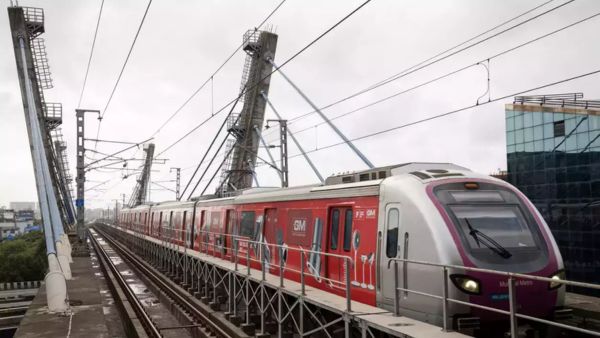
In a recent update, the Maharashtrian capital Mumbai recorded 300 mm of rainfall overnight (in just 6 hours). The heavy downpour has resulted in waterlogging in several regions. Given the current situation, the BrihanMumbai Municipal Corporation (BMC) has declared a holiday on Monday for schools. Not only this, around 50 flights have also been cancelled by several airlines due to the heavy rainfall. The IMD has issued an orange alert for Mumbai, predicting heavy downpours on Monday. According to the Meteorological Department, the city is likely to experience very heavy rains in the next 2-3 hours. The IMD has issued a yellow alert for several districts in Maharashtra, including Pune, Ratnagiri, Raigad, Sindhudurg, Amravati, and Nagpur. Apparently, heavy rains took over Mumbai and its suburbs between 1 AM and 7 AM on July 8. It caused waterlogging in low-lying regions and disrupting local train services as well, especially on Central Railway routes. As per local authorities, suburban train services on both the Main and Harbour corridors of the Central Railway are severely affected due to waterlogging on tracks. The BMC took to social media X and announced: “Mumbai has recorded over 300 mm rainfall at various places in a six-hour period from 1 am to 7 am today. Heavy rains in some low-lying areas led to waterlogging and disruption of suburban train services. Heavy rain is also expected today. To avoid inconvenience to students, a holiday for the first session is declared for all BMC, Government and Private schools and colleges in Mumbai (BMC area). The decision for the next session will be announced after reviewing the situation”. Currently, Maharashtra Chief Minister Eknath Shinde has assessed the flood situation in the state, including Mumbai, where the city received 270 mm of rainfall in a span of 4 hours from 2 AM to 6 AM on Monday. Apparently, Mumbai receives heavy rains during the peak monsoon season. The heavy monsoon rains often lead to severe waterlogging, disrupting daily life and transportation. The city's low-lying areas are particularly vulnerable, experiencing flooding that damages property and infrastructure.

Read more