Digital Travel Summit 2024 Opens Today, Navigating the Future of Travel Distribution in a Changing Landscape

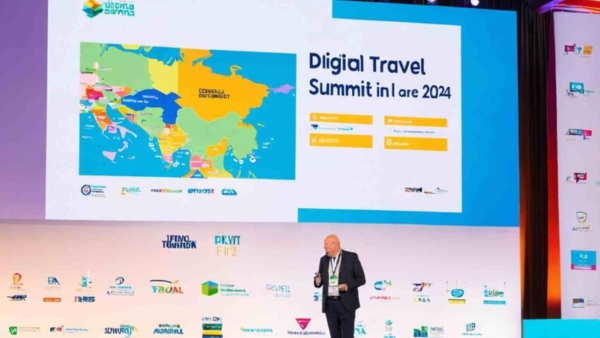
The travel industry is experiencing a period of unprecedented transformation. As consumer behavior evolves and travel preferences shift in response to global events, technological advancements, and new market demands, businesses must adapt quickly to remain competitive. One of the key pillars in this new era of travel is the role of Online Travel Agencies (OTAs). These platforms have emerged as powerful strategic partners, bridging the gap between customers and accommodation providers, and are integral to driving visibility, growth, and customer satisfaction. The Digital Travel Summit 2024, celebrating its 11th year, will be held on October 7-8, 2024, at the Hyatt Regency in Austin, TX. This premier event has solidified its reputation as the go-to gathering for senior executives in the travel sector. Bringing together industry leaders, innovators, and experts, the summit offers a platform for attendees to explore cutting-edge digital strategies that drive growth, enhance customer experiences, and foster innovation in the travel industry. Key topics include personalization, AI integration, data analytics, and sustainable travel, providing actionable insights into the evolving landscape of travel and hospitality. With expert panel discussions, workshops, and networking opportunities, the Digital Travel Summit ensures that participants leave equipped with new strategies to navigate today’s challenges and seize future opportunities. Don’t miss this opportunity to engage with leading voices and shape the future of digital travel. In this comprehensive report, we’ll explore the vital role OTAs play in shaping the future of travel distribution, how hotels and other stakeholders can leverage OTAs for maximum impact, and how aligning with these platforms can ensure long-term, sustainable success. With insights from industry experts, including Traci Mercer, Senior Vice President of Accommodations, Flights, and Strategic Projects at Priceline, we’ll dive into key trends, challenges, and opportunities shaping the travel landscape today.

Read more

Visa demand rises in tandem with outbound travel growth

At a time when outbound travel is seeing a surge a fact well supplemented by the growth in visas, Yummi Talwar, COO – South Asia, VFS Global spoke to Disha Shah Ghosh about this trend, and the segments that are driving traffic abroad. Q. What is your overview of the outbound travel market considering your half yearly performance of 2024? In recent years, the Indian outbound market has experienced remarkable growth, and its upward trajectory shows no signs of slowing down. According to a joint study by FICCI and Nangia NXT, this market is poised to grow at a Compound Annual Growth Rate (CAGR) of 11.4%, reaching a staggering USD 55.39 billion by 2034. This reflects not only the growing affluence of Indian travellers, but also their increasing aspiration for global experiences. A significant driver of this growth is the rising number of Indian students seeking educational opportunities abroad. The Indian Student Mobility Report 2023 reveals that 1,090,000 students travelled overseas in 2019. By 2022, this number had surged to approximately 1,320,000, and projections indicate that by 2025, around 2 million Indian students will be pursuing higher education in foreign institutions. Mirroring this trend, VFS Global saw its application volumes in the first half of this year exceed pre-pandemic levels by 2%, with an 11% growth in the same period in 2023. It highlights VFS Global’s role in supporting India’s growing global mobility. Q. What are the factors driving the growth in visa applications from India? The demand for overseas travel from India has surged, driven by leisure, business, Visiting Friends and Relatives (VFR), employment, and student travel. Rising disposable income and increased spending power are key factors, with Indians ranking among the top spenders in many destinations.

Read more

Maldives’ Muizzu on India visit to mend ties amid thinning tourist influx

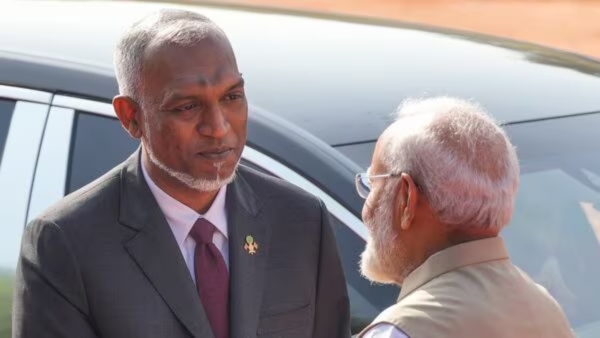
Maldives President Mohamed Muizzu received a red carpet welcome during his first state visit to India on Monday, a trip intended to mend the fragile relations between the two South Asian neighbors. Maldives President Mohamed Muizzu is on his five-day visit to India, which assumed power a year ago with a pledge to remove the Indian troops stationed in his strategically located archipelago. According to the External Affairs Ministry, Muizzu and PM Modi will discuss “bilateral, regional, and international issues of mutual interest.” During his visit to India, Muizzu will meet with senior Indian officials. Tensions have escalated between India and the Maldives since the pro-China Muizzu won the presidency, defeating India-friendly incumbent Ibrahim Mohamed Solih. In the lead-up to the 2023 elections, Muizzu had promised to remove Indian soldiers stationed in the Maldives for humanitarian assistance. In May, New Delhi replaced many of these soldiers with civilian experts. The situation worsened when Muizzu visited China before India in January, which was perceived as a slight to New Delhi. Upon returning, he outlined plans to reduce the Maldives' dependence on India for healthcare, medicines, and essential imports.

Read more

Namo Bharat Rapid Trains To Roll Out In Bengaluru Soon, Set To Link Mysuru, Tumakuru

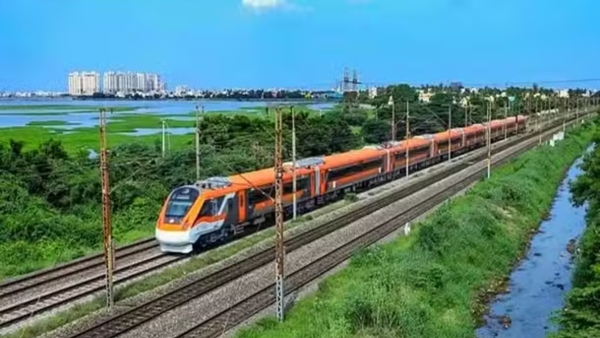
Railway Minister Ashwini Vaishnaw announced that Namo Bharat trains will soon be introduced in Bengaluru, aiming to enhance connectivity between the city and its neighboring towns. The minister stated that the government is planning to launch these semi-high-speed trains between Bengaluru-Tumakuru and Bengaluru-Mysuru. The Namo Bharat trains, being manufactured at Bengaluru's Bharat Earth Movers Limited (BEML), are designed to reduce travel time and enhance connectivity between the suburbs and the main city. The introduction of these trains is part of Indian Railways' broader strategy to improve commuter experience. "Bengaluru is growing at a tremendous pace, and our government is committed to making train transport efficient in the tech capital," Vaishnaw said. Along with the suburban rail project, we are also planning to introduce brand-new Namo Bharat trains in the city. These trains will provide a convenient and efficient mode of transportation between Bengaluru and surrounding cities." The minister also highlighted that the new train services would help alleviate the increasing traffic issues in Karnataka's capital, reports Hindustan Times.

Read more

India to become 4th largest tourism economy by 2034

T3’s interview with Liz Ortiguera, Managing Director-Asia-Pacific and Sr Advisor to CEO, World Travel & Tourism Council (WTTC) delves into the transformative forces at play, including Asia’s growing influence and a noticeable shift towards sustainable tourism. Notably, India, with its rapidly developing infrastructure and burgeoning middle class, is positioning itself as a global tourism leader. Ortiguera underscores that a crucial strategy for the country’s tourism future is rooted in capacity building and the integration of sustainable practices. As she prepares to be the keynote speaker at the upcoming ITB Asia in Singapore, she also highlights key global travel trends and asserts that the future of travel presents exciting opportunities, with India poised to lead this evolution. Q: How do you envision the economic recovery of the global tourism sector, and what role do you think emerging markets, such as India, will play in this resurgence? The global tourism sector is showing strong signs of recovery, and the Asia-Pacific region is set to lead this resurgence over the next decade. According to WTTC’s Economic Impact Report, the Travel & Tourism sector has returned to 2019 GDP levels, and we project robust growth in this region, from US$3.2 trillion this year to US$5.8 trillion over the next decade, a compound annual growth rate of 6.1%. Emerging markets, like India, will be instrumental in driving this momentum. India’s contribution to this recovery is especially exciting. The country is set to become the world’s fourth-largest tourism economy by 2034, moving up from its current position as the eighth largest. This growth is fuelled by several factors: expanding infrastructure, including new airports and modernised rail systems; a rising middle class with increasing disposable income; and a domestic travel boom that is unlocking new destinations within India itself. With its rich cultural heritage and growing travel appetite, India is poised to play a leading role in shaping global tourism’s future. As it continues to develop its tourism infrastructure and promote sustainable, inclusive growth, India will not only attract more international visitors but also set a new benchmark for emerging markets worldwide.

Read more

Asia's longest double-decker flyover inaugurated in Nagpur

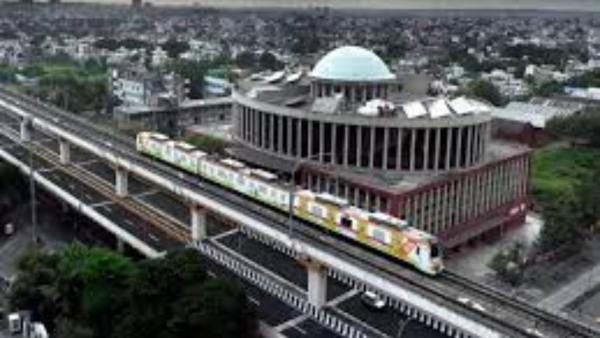
Union Minister for Road Transport and Highways, Nitin Gadkari, recently inaugurated Asia's longest double-decker flyover in Nagpur. This record-breaking newly constructed flyover is located near the Gaddigodam Gurudwara on National Highway. If reports are to go by, the new flyover features a unique four-tier structure, which is also the first of its kind in Asia. The 5.6-kilometre double-decker flyover, stretching from LIC Square to Automotive Square on Kamptee Road, was a collaboration between Maha Metro and the National Highway Authority of India (NHAI). Before this flyover, the record was held by Wardha Road flyover, also in Nagpur, measuring 3.14-kilometres. The flyover comprises a Metro line at the topmost level, followed by a vehicular flyover, a railway track below, and a road at the base. With this new flyover around, the 20-kilometre distance from Kamptee to Nagpur airport will now be covered in just 20 minutes. Gadkari lauded Nagpur's ongoing infrastructure advancements, particularly in terms of Metro and flyover projects. If reports are to go by, talks are also going on for redevelopment of the Gaddigodam Market area to facilitate smoother traffic flow and ease congestion in the surrounding regions. The inauguration of Asia’s longest double-decker flyover is a testament to modern engineering and innovation. By addressing the evolving transportation needs of a growing urban population, the project blends functionality with design, setting a new standard for infrastructure development in India. Nagpur, from the tourism point of view, is a fascinating city to check out in Maharashtra. The city of Nagpur is also known as the "Orange City," thanks to its thriving citrus industry. Nagpur oranges are iconic, so much so that, in 2014, the famous Nagpur oranges were given the Geographical Indication (GI) tag.

Read more