
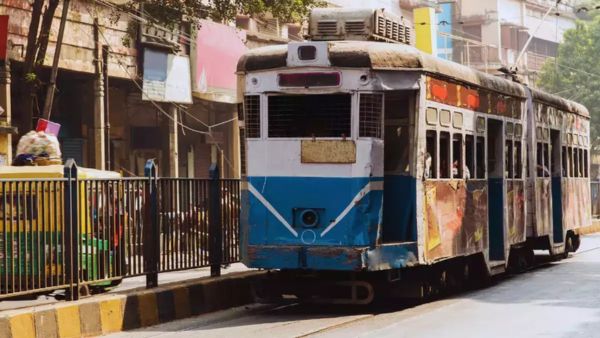
Kolkata’s iconic 150-year-old tram service faces discontinuation
- Sep 26,2024
- Times Of India
Kolkata, the last Indian city to operate trams, is set to bid farewell to its 150-year-old tram service as the West Bengal government has decided to discontinue most of its routes. Transport Minister Snehasis Chakraborty announced the decision, citing increasing traffic congestion in the city as a primary reason. However, the historic stretch between Maidan and Esplanade will continue to operate, preserving a part of the city's cultural heritage. This decision, however, did not sit well with the locals. Many residents and tram enthusiasts are disappointed with this decision because they view the trams as a significant part of Kolkata's history and identity. Did you know that the trams were introduced in 1873 as horse-drawn carriages? For as long as one can remember, the trams have played a central role in Kolkata's public transportation system. Because of their presence for over a century, the people always associated trams with Kolkata. With this new decision, Kolkata will lose one of its most distinctive features. It's true that the trams were one of the many things that set Kolkata apart from other Indian cities. It's true that heritage and nostalgia are associated with the trams. If reports are to go by, the government maintains that the decision is purely driven by practical concerns. According to the transport minister, Kolkata's narrow streets and limited road space account for only six percent of the city's surface area. The roads are increasingly unable to accommodate the slow-moving trams. The number of vehicles on the roads are not decreasing, so this can only mean that in the near future, the problem of traffic jams during the peak hours is only going to get more difficult. At present, traffic congestion is one of the city's woes. The city has already suspended several tram routes across the city. Is this a gradual phasing-out of the service? It definitely looks like it. The government, however, plans to continue the heritage tram line from Maidan to Esplanade. With this line still available, the locals and tourists will still be able to experience Kolkata's historical charm. Not all will be lost. As per the state government, this heritage route will continue to provide a pleasant and eco-friendly travel experience in the city. The decision to discontinue the tram service has sparked protests among locals. They are of the opinion that the trams are not just a mode of transportation, they are also a symbol of the city's rich cultural legacy. Losing this would mean losing a very big part of the city's heritage.
Read more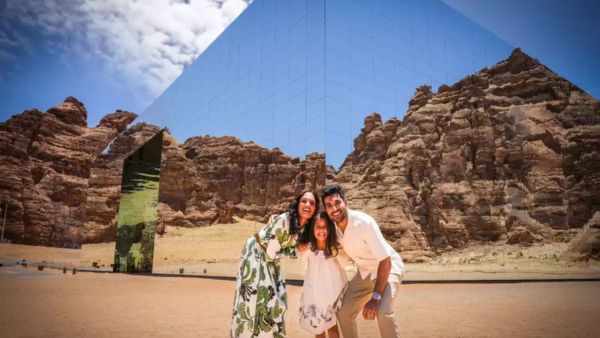
'Spectacular Saudi' event kickstarts in Mumbai with exclusive VIP showcase
- Sep 26,2024
- Times Of India
If you are in Mumbai, here’s one event you should NOT miss. Saudi Arabia’s national tourism brand, 'Saudi Welcome to Arabia,' has launched its first-ever immersive consumer event, 'Spectacular Saudi,' in Mumbai. This 8-day event will run from September 25 to Oct 2, 2024 at R2 Ground in Bandra Kurla Complex. Even though the actual event starts from today, September 25, there was an exclusive VIP showcase yesterday, September 24. It was a star-studded event where several leading figures from Bollywood, business, sports, and fashion were present. Bollywood stars like Vicky Kaushal, Shraddha Kapoor, Bhumi Pednekar, Arjun Kapoor, Aditya Roy Kapoor, Sonakshi Sinha, and Suniel Shetty completely stole the show. The event also saw renowned fashion designers Gaurav Gupta and JJ Valaya, and India’s sports icons like Sania Mirza, Saina Nehwal, PV Sindhu, and Mary Kom. Spectacular Saudi key highlights One of the event’s most interesting highlights is the exclusive fast-track visa service available for those who are attending. For Indian travellers, if you are attending the event, you can obtain a Saudi visa within 48 hours just by presenting a valid Mastercard or Visa credit card. Along with the exciting fast track visa offer, the event goers will also be able to avail the special ‘buy one, get 50 percent off on the second ticket' offer for business class passengers. This offer comes from SAUDIA Airlines. For Economy class travellers, there is a 15 percent discount on their tickets. But wait, that’s not all. There is also a daily giveaway where event attendees have the chance to win free flight tickets for two to Saudi Arabia. Travellers can also avail over 50 travel trade offers, including cashback and discounts on Saudi travel packages. For instance, group tour packages to Riyadh, Jeddah, and Dammam start at INR 99,999 for five nights. This comes with complimentary cultural city tours. For those who are dreaming to visit the wonderful Saudi Arabia, this event is a great chance to avail unique offers and packages. But before you visit Saudi, you might wonder about the country’s cultural experiences. Don’t worry, at the event, visitors can enjoy a variety of Saudi cultural experiences, including traditional Saudi coffee and culinary delights. Visitors can also watch the Ardah dancers and fashion displays.
Read more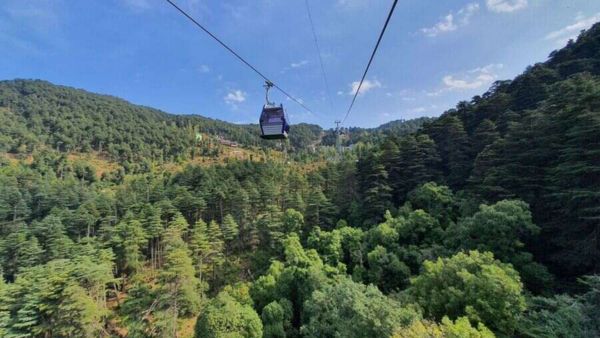
Skyview By Empyrean Leads The Way In Sustainable Luxury
- Sep 25,2024
- Travel And Tour World
Skyview by Empyrean at Jammu’s Patnitop Hill Station sets a new benchmark in sustainable luxury, blending eco-friendly practices with a premium travel experience. In the scenic town of Patnitop, nestled in the Jammu region’s serene Pir Panjal range, Skyview by Empyrean stands as a testament to how tourism can coexist with environmental sustainability. As India’s first Responsible Tourism Society of India (RTSOI) certified sustainable tourism destination, Skyview by Empyrean has adopted and promoted eco-friendly practices across its stunning 22-acre property. From reducing carbon footprints to preserving local craftsmanship, this mountain harbor is redefining what it means to travel responsibly while offering a luxurious escape. The need for sustainable tourism has never been greater, as global travelers become more aware of their environmental impact. Skyview by Empyrean has answered this call, not only by becoming a leader in sustainable tourism but also by setting a new benchmark for responsible travel in India. Reducing Carbon Footprint with the Green Gondola Patnitop’s Skyview by Empyrean has made significant strides in reducing the carbon footprint in the region. One of its most innovative initiatives is the introduction of a green gondola service that connects the Sanget Valley to Patnitop. The gondola reduces the travel distance by 35 kilometers, transforming a 45-minute drive into a scenic 10-13 minute journey through the air. This net-zero ropeway, spanning 2.8 kilometers over the Shivalik range of the Himalayas, has dramatically cut down air and noise pollution while preserving the region’s natural landscape. Remarkably, the construction process did not involve cutting down a single tree. The towers of the ropeway were elevated to ensure the local flora and fauna remained undisturbed, showing Skyview by Empyrean’s commitment to protecting nature. Luxury Meets Sustainability: A Premier Mountain Harbor Skyview by Empyrean sets a high standard for how luxury and sustainability can coexist. With panoramic views of the Pir Panjal range, meadows stretching out under the open sky, and verdant forests surrounding the property, the resort offers guests an unparalleled luxury experience. However, this opulence is built on a foundation of sustainability. Everything from the architecture to the transportation methods, the food to the shopping experience, has been designed with the environment and community in mind. Skyview by Empyrean not only meets the high standards of luxury but also satisfies the growing demand among travelers for responsible tourism options. The resort is committed to creating a harmonious balance between the natural world and human comfort, making it an exemplary model for sustainable tourism destinations worldwide. Guests can indulge in the finest amenities and services while knowing that their stay supports eco-friendly practices and local communities. Skyview by Empyrean represents the future of travel—where luxury is not sacrificed for sustainability but rather enhanced by it. By pioneering sustainable tourism practices in Patnitop and setting a new benchmark for green travel in India, this hill station retreat invites travelers to be a part of something bigger: a movement toward responsible, eco-conscious tourism. Whether it’s riding the green gondola, enjoying a meal made with locally sourced ingredients, or purchasing handmade goods from Jammu artisans, every aspect of a stay at Skyview by Empyrean reinforces the resort’s commitment to a greener future. The destination offers a tangible way for guests to contribute to sustainability while enjoying an unforgettable luxury vacation. So, the next time you’re in Patnitop, make sure to visit Skyview by Empyrean and experience the best in sustainable luxury firsthand. This 22-acre mountain harbor is not just a place to stay—it’s a destination with a purpose, and every guest plays a role in its success. Skyview by Empyrean in Patnitop is more than a resort; it’s a model for the future of sustainable tourism. As India’s first RTSOI-certified destination, it combines eco-conscious design, responsible travel practices, and luxurious amenities to offer guests an unforgettable experience that’s as kind to the planet as it is to visitors. From reducing carbon footprints with its green gondola to supporting local artisans through its retail outlet, Skyview by Empyrean exemplifies how tourism can positively impact both the environment and the community.
Read more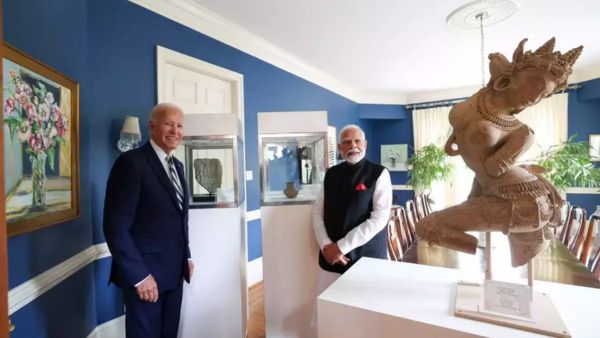
US returns 297 priceless antiquities and artefacts to India
- Sep 25,2024
- Times Of India
In a recent turn of events, the US has returned 297 priceless antiquities and artefacts to India. It represents an important moment in the preservation of cultural heritage and the battle against illicit trafficking. Prime Minister Narendra Modi has thankedto U.S. President Joe Biden for facilitating this significant gesture, which underscores the ongoing commitment to combat the illegal trade of cultural properties. The artefacts being returned span nearly 4,000 years, with origins tracing back to 2000 BCE up to 1900 CE, reflecting the rich tapestry of India’s history. According to reports from Live Mint, the majority of these antiquities are terracotta items hailing from Eastern India, complemented by a diverse assortment of stone, metal, wood, and ivory artefacts. This collection not only highlights the artistic achievements of various Indian cultures but also illustrates the depth and variety of the country’s heritage. The Ministry of External Affairs noted that since 2016, the U.S. government has played a crucial role in repatriating a significant number of trafficked or stolen cultural artefacts. In total, 578 items have been returned from the U.S. to India, marking the highest number from any country during this timeframe. This initiative reflects a growing recognition of the importance of cultural preservation and a concerted effort to address historical wrongs. During a symbolic handover at a bilateral meeting in Wilmington, Delaware, Modi and Biden showcased several select pieces from the returned collection. This event served to reinforce the importance of cultural heritage and the shared commitment of both nations to protect and celebrate it. By publicly acknowledging the return of these artefacts, both leaders emphasized that cultural heritage transcends borders and is a common asset that must be safeguarded. The return of these 297 antiquities goes beyond mere diplomacy; it represents a profound reaffirmation of the value placed on cultural heritage. As these artefacts journey back to India, they will not only enrich museums and cultural institutions but also stand as a testament to India’s enduring legacy and the vibrancy of its diverse heritage. This act of repatriation is a vital step toward rectifying past injustices, fostering a deeper understanding of history, and ensuring that future generations can connect with their cultural roots.
Read more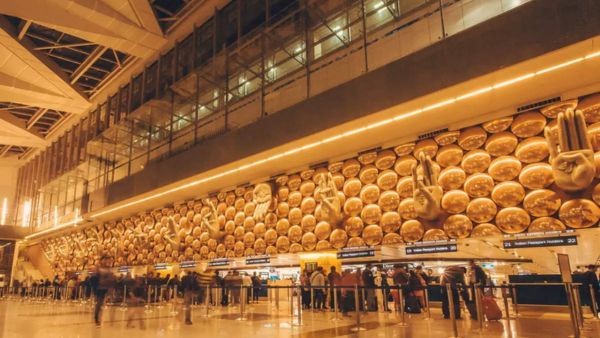
Delhi Airport all set to get the country’s first-ever air train
- Sep 25,2024
- Times Of India
If all goes according to plan, by the end of 2027, travelling between Terminal 3 (T3) and Terminal 1 (T1) at Delhi Airport will be significantly easier. Thanks to an upcoming air train or the Automated People Mover (APM). If reports are to go by, to put this plan into action, Delhi International Airport Limited (DIAL) has issued a tender for building this much-anticipated project, which will include four stops: T2/3, T1, Aerocity, and Cargo City. This project will be covering a 7.7 km route, and will eliminate the need for reliance on Delhi Transport Corporation (DTC) buses for terminal transfers. To provide more clarity on this matter, sources also said that GMR-backed DIAL will start accepting bids for the project in October-November 2024. The winning bid will need to have all elements like cost-effectiveness, with bidders proposing revenue-sharing models or seeking viability gap funding. And after things get finalised covering all the aspects, the contract will be awarded before the end of the fiscal year. Sources are hopeful that the construction will likely be completed by the end of 2027, as the said timeline has also been communicated to the Union Aviation Ministry, to ensure that the project stays on track. For such bidding the development of an advanced state-of-the-art APM system has been summarised. It will use the design, build, finance, operate and transfer (DBFOT) model when the flight becomes operational. It will guarantee hassle-free travel and reliable connectivity between T1 and T3/2, which will definitely improve the overall passenger comfort and efficiency of the airport. Not only this, this will also significantly contribute to reducing the carbon footprint, thereby helping Delhi Airport improve its Airport Service Quality (ASQ) score. In previous discussions, the government emphasised that no development fees would be levied on passengers to fund the project before its completion. While the exact cost of the air train is yet to be determined by the bidders, estimates suggest it could be around ₹2,000 crore. Initially, DIAL had proposed six stops for the air train. However, the government requested a reduction to four stops to minimise transit time between T1 and T3/2, as more stops would increase both travel time and the need for security at non-terminal stations. Delhi Airport currently handles over 70 million passengers annually, which will likely increase to more than 130 million over the next 6-8 years. A significant percentage of these passengers are expected to be transit flyers, which will make the air train essential for smooth terminal transfers. As per the global standards, air trains are usually free for passengers, and it’s likely that Delhi will also follow suit, wherein costs will be recovered through aeronautical charges and User Development Fees (UDF), as seen in other airports like Mumbai.
Read more
IndiGo to launch daily direct flights from Bengaluru to Jeddah
- Sep 25,2024
- Times Of India
In a recent update, IndiGo has announced plans to introduce daily direct flights from Bengaluru to Jeddah, starting September 30, 2024. The new service is perfect for business, leisure, and religious travellers, making it a versatile addition to the airline's route network. These direct flights aim to strengthen the economic ties between India and Saudi Arabia by providing seamless connectivity for businesses operating in both nations. The new route will be particularly beneficial for pilgrims traveling to Mecca, as Jeddah serves as a crucial gateway for Hajj and Umrah. This initiative aligns with India’s broader strategy to enhance daily flight connections to the Middle East, promoting tourism, cultural exchange, and economic growth in the region. Vinay Malhotra, Head of Global Sales at IndiGo, expressed enthusiasm for the new route, stating, “We are thrilled to launch daily direct flights between Bengaluru and Jeddah, enhancing opportunities for cultural and business exchange. This new service will connect Jeddah to six destinations in India through 49 weekly flights, providing even more travel options. As India’s leading airline, IndiGo is committed to delivering a seamless, affordable, and hassle-free travel experience, and this new service reinforces our dedication to fostering global connections.” Jeddah, the second-largest city in Saudi Arabia, is renowned for its stunning Red Sea beaches, historic architecture, and vibrant cultural landscape. Visitors can explore the old town of Al-Balad, where charming streets and traditional buildings reflect the city’s rich heritage. The bustling souks offer an authentic shopping experience, while modern malls provide a contemporary retail environment. The local cuisine, a delightful blend of traditional and modern flavors, further enriches the visitor experience. Bengaluru, often referred to as India’s Silicon Valley, is celebrated for its technological innovation and dynamic cultural scene. The city boasts green spaces like Cubbon Park and Lal Bagh, as well as historical landmarks such as Tipu Sultan’s Summer Palace. Additionally, Bengaluru is famous for its flourishing silk industry, known for producing high-quality textiles. The introduction of these direct flights will provide easier access to Bengaluru’s unique mix of tradition and modernity, making it an appealing destination for both tourists and business travellers alike.
Read more