
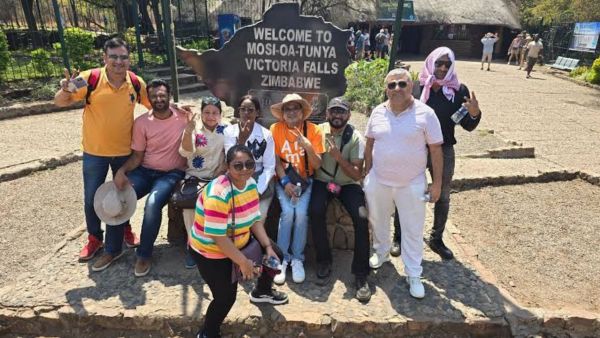
Zimbabwe showcases untamed beauty to Indian agents
- Sep 21,2024
- Travel Biz Monitor
The Ministry of Tourism and Hospitality Industry, in collaboration with the Zimbabwe Tourism Authority, has successfully concluded the 17th edition of the Sanganai/Hlanganani World Tourism Expo, celebrating Zimbabwe as a premier travel destination. This year, a select group of Indian travel agents embarked on an educational tour of Zimbabwe from September 7th to 16th, 2024, to explore the country’s diverse tourism offerings before the event. The tour included meticulously crafted itineraries showcasing Zimbabwe’s stunning landscapes, wildlife, and luxurious experiences. Highlights included visits to the majestic Victoria Falls, a UNESCO World Heritage Site, and a serene sunset cruise on the Zambezi River. Participants also enjoyed vibrant cultural experiences such as The Boma Experience, thrilling adventures like the Victoria Falls Helicopter Ride and Bungee Jump, and wildlife encounters in Zambezi National Park and Mana Pools. The agents stayed at Zimbabwe’s finest luxury accommodations, including Bayete Lodge, The Victoria Falls Hotel, and Elephant Hills Resort, which offer world-class amenities and exceptional service. These experiences further established Zimbabwe’s reputation as a top destination for discerning travellers. H.E. Ambassador Stella Nkomo expressed enthusiasm about the visit, highlighting the country’s readiness to welcome Indian travellers, especially with the upcoming 2027 Cricket World Cup co-hosted by Zimbabwe. Zimbabwe’s strategic efforts to attract Indian tourists include a visa-on-arrival policy and a strong presence in India with one of its 11 Tourism Attachés stationed there. The country aims to boost India to one of its top five source markets within the next three years, reflecting its commitment to enhancing tourism ties and showcasing its unique offerings.
Read more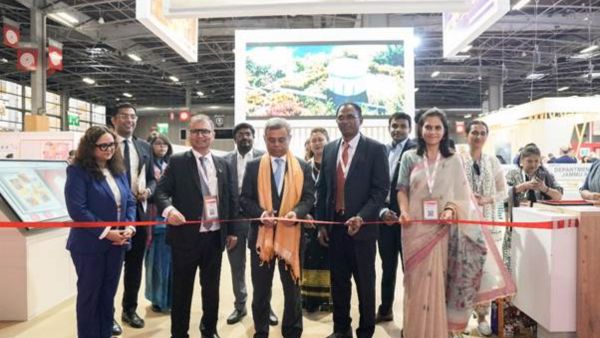
India Boosts Tourism at Paris Expo
- Sep 21,2024
- Travel Biz Monitor
The Ministry of Tourism, Government of India, is actively participating in the prestigious IFTM Top Resa 2024, a leading international travel trade fair held in Paris from September 17th to 19th. This event brings together top industry professionals from across the globe, and India’s participation aims to showcase its rich tourism offerings to a global audience. The Incredible India Pavilion was inaugurated by H.E. Jawed Ashraf, Ambassador of India to France, alongside officials from the Ministry of Tourism, and representatives from the state tourism departments of Meghalaya and Jammu & Kashmir. Key stakeholders from India’s travel industry were also present, marking a strong collaborative effort to promote the country’s tourism potential. The pavilion is a vibrant display of India’s diverse culture, heritage, and modern travel opportunities. It highlights various tourism products and destinations, and facilitates engagement between Indian and international tour operators. A special focus is also given to India’s renowned Yoga practices, which have garnered significant attention from visitors. India’s participation at IFTM Top Resa is a strategic move to strengthen its presence in global markets and boost inbound tourism. In 2023, India welcomed 9.24 million foreign tourists, including 0.18 million from France, making France the 11th largest source market for Indian tourism.
Read more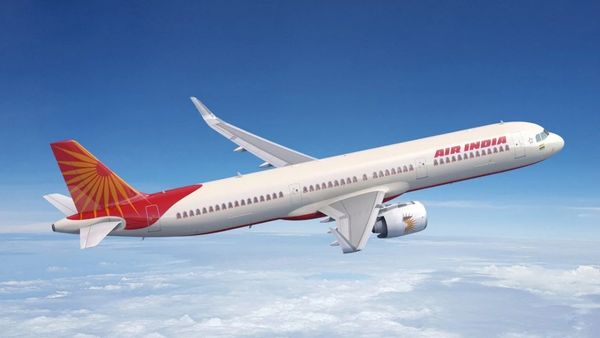
Air India’s Daily Non-Stop Flights Between Delhi And Kuala Lumpur Now In Operation
- Sep 20,2024
- Travel And Tour World
Air India, India’s premier international airline, has officially launched its daily, non-stop flight service between Delhi and Kuala Lumpur, Malaysia, as part of its ongoing expansion in the Southeast Asia region. The inaugural flight, operated by the Airbus A320neo, touched down at Kuala Lumpur International Airport (KLIA) at 8:43 PM local time on its first day of operation. This move marks another significant step in Air India’s global expansion strategy, aimed at enhancing connectivity between India and major international destinations. Kuala Lumpur now becomes Air India’s sixth destination in Southeast Asia, joining other key cities in the region and further strengthening the airline’s presence in this fast-growing market. With increasing demand for travel between India and Malaysia, the new route offers more convenience and travel options for both business and leisure passengers. For Indian travelers, this new connection opens up the opportunity to explore the rich culture, attractions, and natural beauty of Malaysia, including the vibrant city of Kuala Lumpur. On the other hand, Malaysian travelers can now access Air India’s extensive global network, which spans five continents, offering seamless travel options to destinations in Europe, North America, Australia, and more. Air India’s new flights provide easy, same-terminal, one-stop connections for passengers traveling from North America and Europe via Delhi, streamlining the travel experience. The launch of this route comes as part of Air India’s broader strategy to expand its global footprint and strengthen its position as a leading international carrier. The airline has been focusing on expanding its route network, upgrading its fleet, and enhancing customer service to meet the growing demands of international travelers. Additionally, the flight schedule is well-suited for seamless connections, allowing passengers traveling from North America or Europe to transit easily via Delhi before continuing on to Kuala Lumpur. This will help facilitate smoother travel experiences and promote tourism and business travel between India, Malaysia, and beyond. Air India’s new route is expected to play a key role in promoting cultural exchange, tourism, and economic ties between the two countries, further boosting the airline’s reputation as a leading carrier in the Asia-Pacific
Read more
Uttar Pradesh Launches New Helicopter Tours
- Sep 20,2024
- Travel And Tour World
The state of Uttar Pradesh is set to enhance its tourism experience with the launch of helicopter services that will offer aerial tours of its iconic destinations. After introducing water tourism with catamaran boats, the state has expanded its tourism offerings with a new mode of travel that provides breathtaking helicopter views of key cities such as Ayodhya, Agra, Mathura, Lucknow, and Prayagraj. This service, provided by Rajas Aero Sports and Adventure, promises to make aerial tours and transportation more accessible to both tourists and locals, allowing them to experience the spiritual and cultural sites of Uttar Pradesh from the skies. These helicopter services, which will operate along several popular routes, aim to connect important pilgrimage cities and tourist hotspots. The initiative is expected to have a significant impact on the travel industry, making it easier for travelers to explore the state’s most famous landmarks while offering a unique and convenient mode of transportation. Exploring Uttar Pradesh from the Skies Rajas Aero Sports and Adventure, a leading provider of luxury aerial experiences in India, will operate the new helicopter service in Uttar Pradesh. The helicopter, designed to accommodate five passengers and five kilograms of luggage per person, will provide panoramic views of some of the most iconic landmarks in the state. Passengers will have the opportunity to view significant sites such as the Ram Mandir in Ayodhya, the Taj Mahal in Agra, and the Krishna Janmabhoomi in Mathura from the skies, giving them a unique perspective on these historical and spiritual locations. The service is not only aimed at tourists but also locals who are looking for a new way to explore their own state. By offering a more convenient and time-saving method of travel, the helicopter service is likely to attract a wide range of passengers, from pilgrims visiting sacred sites to tourists seeking a luxury travel experience. Routes, Fares, and Special Offers The helicopter service will cover various routes connecting major cities in Uttar Pradesh, including Ayodhya, Gorakhpur, Banaras, Agra, Mathura, Lucknow, and Prayagraj. For travelers seeking a quick and scenic way to move between these cities, the helicopter service will be a welcome alternative to traditional road or rail travel. The time-saving aspect of the service is expected to be a major draw, particularly for those who want to visit multiple destinations in a short period. The fares for the helicopter service have already been announced, and for a limited time, passengers who book their tickets early will receive a special discount. For the first 60 hours after the service is launched, early bird passengers will enjoy a 40 percent discount on fares. After this promotional period, standard rates will apply. The current fares include: Aerial darshan of Ram Mandir: INR 4,130 per person (one way) Ayodhya to Gorakhpur: INR 13,373 Ayodhya to Banaras: INR 18,388 In addition to attracting more tourists, the helicopter service could also help reduce congestion on the state’s roads and railways, particularly during peak pilgrimage seasons when thousands of devotees travel to sites like Ayodhya and Mathura. The ability to bypass traffic and avoid long travel times could make Uttar Pradesh more appealing to both domestic and international tourists, while also reducing the strain on the state’s existing transportation infrastructure.
Read more
UK promotes eVisa transition, urges everyone, including Indians, to switch over
- Sep 20,2024
- Times Of India
The UK government has initiated a major drive encouraging immigrants, including Indian nationals, to switch from physical immigration documents to eVisas. This is part of the government’s broader plan to digitise its entire border and immigration system by 2025. Those holding biometric residence permits (BRP), visa vignette stickers in passports, ink stamps confirming indefinite leave to remain, or biometric residence cards (BRC) are all required to transition to the online eVisa system. Most of the BRPs are set to expire by December 2024, and hence are being transitioned online in phases. The status is digital and the immigrants can access it through a personal account that will be created with UKVI. India-origin British Home Office Minister for Migration and Citizenship Seema Malhotra has asked all immigrants holding physical documents to take a step towards the eVisas. She said that free consultation and help would be provided for those who require information about the process. Within the scope of the transition plan, the UK government has provided 4 million in grant funding to organisations of voluntary and community sector across the UK. These funds will be used to face challenges that the needy persons might encounter while switching to eVisas. Other organisations like Migrant Help, Citizens Advice Scotland, the Welsh Refugee Council and Advice NI will offer support in an independent manner. Further, a public relations campaign will also be launched at the national level to educate people about the change and to prepare them to act before the many immigration documents expire in December 2024. The pros of this toward eVisas are security, lower costs as well as effectiveness. However, eVisas cannot be used for forgery like the physical documents, lost or stolen, as it is an online document unlike the actual physical hard copy documents. They will facilitate the ability of visa holders to safely use their immigration documents online and in a couple of hours. The Home Office stressed that moving to eVisas will not alter the immigration status or status of any person or their rights. The digitalisation of the immigration system will help to improve the process and ensure a more secure environment for the immigrants in the UK. Therefore, through the elimination of the use of documents like the BRPs, and shifting the focus on digital access, the UK government seeks to improve on the efficiency of the immigration services. Most of the visa holders should start using a fully automated system by 2025, with an aim of providing better and more secure service to the users.
Read more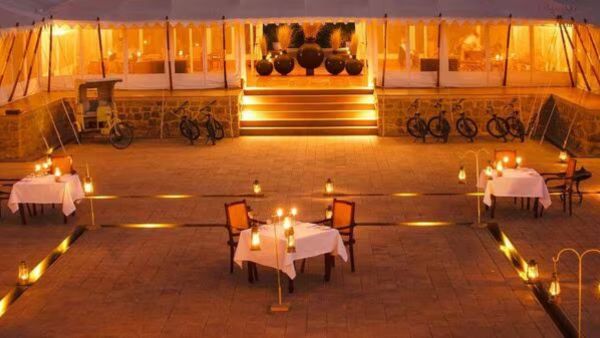
This is only Indian hotel that made it to the ‘World’s Top 50 Hotels’ list
- Sep 20,2024
- Times Of India
Great news from Rajasthan! Suján Jawai, in Jawai Bandh is a luxury retreat in Rajasthan, has become the the only Indian hotel to be on the prestigious list of the World’s 50 Best Hotels 2024. The hotel has received 43rd position on the list which was showcased in London’s famous Guildhall. All the big names from the travel and hospitality sectors attended the event. About Suján Jawai Suján Jawai is a beautiful luxury hotel in Jawai Bandh, Rajasthan. The property is noted for offering authentic Rajasthani royal experiences amid nature. The property is built as a wilderness camp tent. It is spread over a huge area and redefines luxury. The tent accommodation The property offers accommodation in luxury tents. The accommodation is available in different categories, which are Tented ‘Rock’ Suites, The Family ‘Faladae’ Suite, The Royal ‘Panthera’ Suite and Eden at Jawai. There is also provision for spa amid the wilderness. The wild experiences Leopard/wild safari: The region is noted for being home to leopards and diverse birdlife. The local communities here are also quite rich and colourful. To fully experience the beauty of Jawai, visitors can go on an early morning Jeep safari, accompanied by local guides who know the area in and out. They will give a tour of every corner of Jawai, allowing guests to explore new habitats, encounter wildlife, and create lifetime memories. Horseback safari: The region is brimming with leopards and a rich variety of birdlife. The property also offers a chance to explore this beauty on a holistic horse journey. With an amazing stable of over a dozen Marwari and Kathiawari horses, guests can travel the breathtaking Jawai landscape on horseback. Rabari walk: Guests can also enjoy a unique experience of Rabari walk. This walking safari takes guests into the wilderness led by the Rabari tribe. They have been living in these hills for centuries and know the area by heart. Accompanied by an expert guide and tracker, guests will get a chance to track wildlife on foot and discover the region’s stunning flora. Temple Trail: The hills here are home to some ancient temples which are over 300 years old! These temples reflect the region's deep-rooted religious traditions. Explore these sacred sites, participate in a daily aarti, and discover how the leopards here are revered as guardians by locals.
Read more