

Air India to go luxury with 400 million overhaul budget
- Sep 18,2024
- Times Of India
In a recent update, Air India is all set to go on a transformative journey costing around $400 million! The refurbishment program is aimed at modernising 67 of its older aircraft. With this, the Tata-owned airline’s wishes to boost its status to that of a luxury carrier. This extensive overhaul will begin with 27 narrow-body Airbus A320neo planes, followed by a comprehensive upgrade of 40 wide-body Boeing aircraft. The phased revamp will come up with a modernised three-cabin layout across the fleet. This includes enhancements in seating, carpeting, curtains, and upholstery. The first aircraft to undergo this extensive refit is the Airbus A320neo, VT-EXN, which entered the hangar this week. After completing the prototyping phase and receiving necessary regulatory approvals, VT-EXN is anticipated to resume commercial service by December 2024. It will join the eight newly-delivered A320neo aircraft already equipped with updated cabin interiors and configurations. Following VT-EXN, Air India plans to retrofit three to four aircraft per month, aiming to complete the modernization of its narrow-body fleet by mid-2025. Campbell Wilson, Chief Executive Officer & Managing Director of Air India, emphasized the significance of this refit, stating, "The commencement of the interior refit of the narrow-body fleet is an important step in our journey of enhancing the flying experience of our customers. Over time, all the legacy wide-body aircraft will also be refitted. This comprehensive upgradation of Air India’s physical product is an important component of Air India transforming into a world-class airline." Since Tata’s acquisition of the airline in 2022, substantial investments have been made in acquiring hundreds of new jets, revamping the carrier's branding, and implementing operational improvements. The upgraded A320neo aircraft will feature eight luxury Business Class seats, 24 Premium Economy seats with extra legroom, and 132 comfortable Economy Class seats. Enhancements include spacious legroom, modern lighting, USB ports (Type A and C) for device charging, and updated cabin interiors with new carpets, curtains, and upholstery. Business Class will offer 40-inch seats with adjustable armrests and charging ports, while Premium Economy will have larger seats with adjustable headrests and 32-inch legroom. Economy Class will feature ergonomic seats with a 28-29 inch pitch and additional legroom. Over 15,000 new-generation seats will be installed across all classes as part of this upgrade. Air India is also preparing to overhaul 40 older wide-body Boeing 787 and 777 planes. The new designs and top-quality seats are finalized, and the airline is collaborating with seat manufacturers to secure approvals and expedite production. The first wide-body aircraft is expected to begin its upgrade in early 2025, signaling the start of a new era for Air India’s fleet.
Read more
Restoration of this famous Egyptian temple reveals new inscriptions and gold!
- Sep 18,2024
- Times Of India
Egyptian temples are all about vibrant colors, and some also adorned with shimmering gold accents. If you go by the records, most of the temples since the Pharaonic Period, had gates, columns, obelisks often adorned with gold, along with historical inscriptions that confirmed that many buildings featured gilding. These gliding typically were thicker metal foils made from copper, with remnants now visible only as small holes in the walls. It needs to be noted that gold leaf decorations have been documented less frequently because of their fragile nature. Now the recent discoveries at the Temple of Edfu, which is dedicated to the falcon god Horus, have revealed gold particles in various locations on the upper wall areas of the barque sanctuary. In collaboration with the Egyptian Ministry of Tourism and Antiquities, a team from Julius-Maximilians-Universität (JMU) Würzburg has been researching the temple's vibrant paintwork. Under the direction of conservator Ahmed Abdel Naby, an Egyptian team meticulously cleaned and preserved the stone reliefs. Dr. Victoria Altmann-Wendling, project manager for the Horus Beḥedety Project at JMU, notes, “The gilding of the figures likely served not only to immortalize and deify them but also to enhance the mystical atmosphere of the temple, particularly when illuminated by sunlight.” Reports add that the restoration team made all efforts to tirelessly remove dust, bird droppings, and everything, which lead to the uncovering of the remnants of the original paint that adorned these surfaces. Unlike many ancient Egyptian temples, most of the time the painted details are lost. However, Edfu's barque sanctuary revealed a wealth of color. As of now, analysis of the pigments and gilding is in progress, which will further shed light on the artistry and craftsmanship of the time. The multi-colored paintings provide additional context to the scenes and hieroglyphs, revealing details about clothing and offerings that were not discernible in the stone reliefs. Interestingly, craftspeople used color to correct hieroglyphs, illustrating an ancient form of quality control. Professor Martin A. Stadler, director of the Horus Beḥedety Project, highlights this fascinating aspect of ancient artistry. Another significant find includes graffito written in Demotic script, providing insights into the activities of the priests. These personal inscriptions, known as proskynemata, were typically found in outer temple areas rather than in the sanctuary, thereby offering a glimpse into the beliefs and rituals of those who worshiped Horus. The Temple of Edfu stands as a remarkable example of ancient architecture and religious practice. As Egypt's best-preserved sanctuary, it measures 137 meters in length and 76 meters in width, with heights ranging from 15 to 35 meters. Constructed between 237 and 57 BC during the reigns of Ptolemy III to XII, it boasts an impressive array of religious texts and ritual scenes, some dating back to the third millennium BC, making it a unique monument of ancient Egyptian culture.
Read more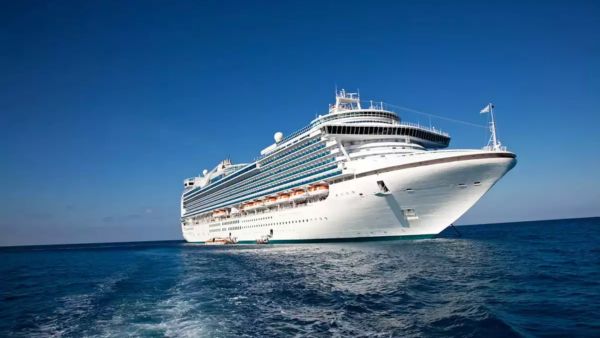
Goa’s New Cruise Terminal to Boost Tourism and Economy
- Sep 17,2024
- Travel And Tour World
Goa is poised for a significant tourism and economic boost with the upcoming development of the International and Domestic Cruise Terminal and its allied facilities. This initiative aims to foster sustainable practices, improve infrastructure, and position Goa as a key player in the global cruise market, according to a senior MPA official who shared the details with PTI. The project is expected to not only enhance the local economy but also attract more international tourists, solidifying Goa’s role as a premier cruise destination. The official made these remarks on the sidelines of the Maritime States Development Council meeting, held in Goa on September 12 and 13. This annual meeting brings together stakeholders from across India to discuss maritime development strategies. On the first day of the event, Union Minister of Ports, Shipping and Waterways, Sarbananda Sonowal, visited the site where the state-of-the-art terminal will be built. His visit underscored the government’s commitment to modernizing India’s maritime infrastructure. The proposed International and Domestic Cruise Terminal will include a variety of amenities to enhance the visitor experience. Among the key features will be duty-free retail shops, offering a wide selection of products, lounges for travelers to relax before their voyages, and a food court with diverse culinary offerings. These modern facilities will cater to both domestic and international travelers, aiming to create a world-class cruise experience in Goa. In addition to boosting tourism, the project is expected to bring long-term economic benefits to the region by creating jobs and stimulating local businesses. Moreover, the terminal’s design and operations will incorporate sustainable practices, aligning with global environmental standards and supporting India’s broader commitment to sustainability in its infrastructure projects. The official added that these improvements will further strengthen Goa’s standing in the highly competitive global cruise market, positioning it as a key destination for cruise liners from around the world.
Read more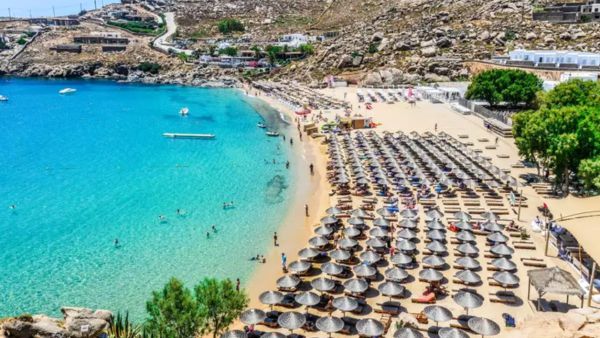
Greece increases Golden Visa investment threshold
- Sep 17,2024
- Times Of India
In a recent update, Greece’s Golden Visa program has seen a major adjustment. It has increased the investment threshold from €250,000 to €800,000. It was initially set at one of the lowest levels in Europe. And this has made Greece an attractive destination for foreign investors. About the program The investment visa program was introduced back in 2013 for offering residency permits to non-EU nationals who invested in Greek real estate. It also added the perk of visa-free travel within the Schengen region. This favorable entry point contributed to a substantial influx of capital into the Greek property market, boosting the Greek’s economic recovery. But the program's success, coupled with the low investment requirement, had unintended consequences. The increased demand for properties led to a sharp rise in real estate prices, especially in high-demand areas such as Athens, Thessaloniki, Mykonos, and Santorini. As property values soared, local residents faced growing difficulties in affording housing, exacerbating a housing crisis in several regions. In response to these challenges, the Greek government decided to raise the investment threshold significantly. Beginning in September 2024, the minimum investment required for the Golden Visa program will be set at €800,000 for properties in high-demand areas. This adjustment is part of a broader effort to address the imbalance between foreign investment and local housing needs. By increasing the investment threshold, the Greek authorities aim to curb excessive pressure on the real estate market in popular regions and encourage investment in less saturated areas, promoting more balanced and sustainable development across the country. The new rules, which came into effect on September 1, 2024, reflect a major shift in Greece’s approach to managing foreign investment. The goal is to ensure that the benefits of the Golden Visa program contribute positively to the national economy while also mitigating the impact on housing affordability for Greek citizens. This move is expected to moderate the rapid escalation of property prices in high-demand locations and support the growth of real estate markets in less frequented regions.
Read more
This Titanic Museum allows visitors to feel how cold the water was on that tragic night!
- Sep 17,2024
- Times Of India
The tragic sinking of the world-famous Titanic ship remains one of the most notorious maritime disasters in history. Dubbed the ‘Ship of Dreams, ’ it was the largest ship ever built at the time of its construction and before its ill-fated voyage. The ship had all the extravagant amenities, you name it and you had it there! Its allure was such that it can rival those of any grand hotel. Yet, it met its tragic end during its maiden voyage. Now, the Titanic Museum in Tennessee, USA, is offering its visitors a unique experience that it’s gaining attention for all the right reasons. If reports are to go by, the museum is allowing visitors to feel the chilling cold of the Atlantic Ocean on the night the RMS Titanic sank. This museum, an elaborate half-sized replica of the infamous Titanic ship, is enhanced with interactive exhibits that allows visitors to immerse in the harrowing history of the ship. One of the most talked-about experiences involves a basin filled with water cooled to -2°C (30°F), which is actually the same temperature as the ocean on April 15, 1912, also the night when the Titanic met its tragic end. Apart from offering the chilling experience, the museum also houses more than 400 authentic artifacts from the Titanic and its passengers. Spread across more than 22,000 sq ft, the museum lets visitors get a peep into the history of the Titanic, further allowing them to gain a deeper understanding of the ship’s grandeur and the tragedy that unfolded. A visit to this museum will let you check out artifacts ranging from personal belongings of passengers to parts of the ship itself, each carrying its own piece of history. The museum’s immersive exhibits actually go beyond just storytelling; they also allow visitors to step into the world of the Titanic’s passengers and crew. The basin filled with freezing water provides a visceral reminder of the extreme conditions faced by those stranded in the ocean that night. One user on X remarked, “At the Titanic Museum, you can actually feel how cold the water was that night—30°F, just like the survivors faced. It’s an eerie, hands-on way to experience a piece of Titanic history.” A viral video has brought widespread recognition to this exhibit. In the video, visitors are seen dipping their hands into the freezing water, attempting to endure the bone-chilling cold. While several visitors gave it a try, most could only keep their hands submerged for a few seconds before feeling the intense cold. The video, which garnered over two million views on social media, sparked numerous reactions.
Read more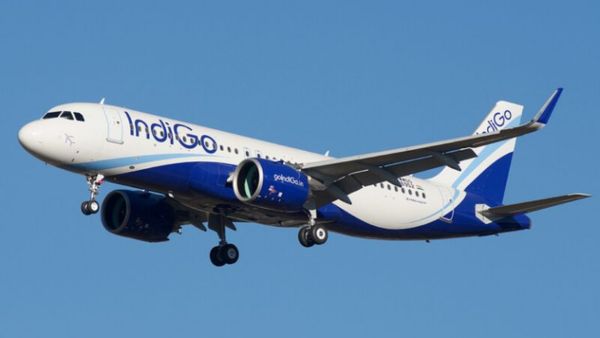
IndiGo Unveils New Route Connecting Delhi to Sacred Tirupati
- Sep 17,2024
- Travel And Tour World
IndiGo, India’s top airline, is launching a new route connecting Delhi, the nation’s capital, to the temple city of Tirupati, famous for its religious significance. Starting from October 5, 2024, this route will provide easier access for pilgrims from Delhi seeking spiritual refuge in the sacred city. With this addition, IndiGo will directly connect Tirupati to 10 cities, including Bengaluru, Hyderabad, Kolhapur, Madurai, and several others. The government’s focus on promoting spiritual tourism by improving connectivity between major pilgrimage sites has played a significant role in boosting religious travel. The new Delhi-Tirupati route highlights the growing demand for spiritual journeys, offering passengers a reliable and efficient travel option. In addition, IndiGo is increasing its flight frequencies on two northeastern routes. The Delhi-Aizawl route will see an increase from 5 to 10 weekly flights, while the Delhi-Dimapur route will expand from 5 to 7 weekly flights, giving travelers more flexibility and convenience when flying to these important northeastern destinations. Tirupati, nestled in the picturesque hills of Andhra Pradesh, is world-renowned for the Tirumala Venkateswara Temple, one of the wealthiest and most visited temples globally, attracting millions of devotees each year. Besides its religious significance, the city is known for its famous laddoo prasadam, the scenic Tirumala hills, and nearby attractions like Talakona Waterfalls and Chandragiri Fort. Tirupati is also growing as a center for education and business, with its expanding infrastructure and modern amenities. Aizawl, the capital of Mizoram, is celebrated for its breathtaking landscapes and cultural heritage. Located in the hilly terrain of northeastern India, the city offers stunning views of valleys and greenery. Aizawl is steeped in Mizo traditions and Christianity, with landmarks like Solomon’s Temple and the Mizoram State Museum attracting visitors. The city is also known for its bamboo crafts, lively markets, and vibrant festivals like Chapchar Kut. Aizawl is fast emerging as an educational and commercial hub with growing urban development. Dimapur, Nagaland’s largest city, offers a blend of cultural depth and natural beauty, with a rich history reflected in landmarks like the Kachari Rajbari ruins. The city is famous for its local markets, handicrafts, and the Hornbill Festival, which celebrates the region’s diverse heritage. With modern infrastructure, including an airport and improved roadways, Dimapur is becoming an important center for business and education. The opening of the Integrated Business Hub and Innovation Centre (IBHIC) has further fueled opportunities for startups, solidifying Dimapur’s role as a key commercial gateway in northeastern India.
Read more