
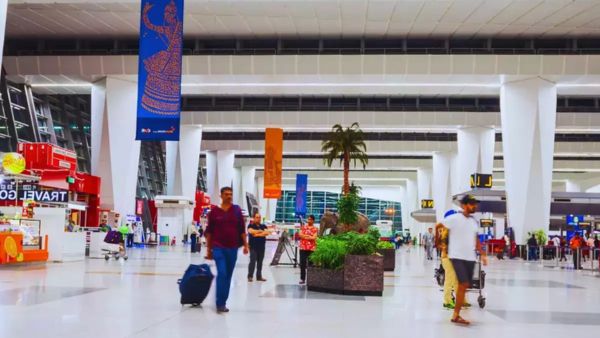
4.78 million foreign tourist visited India in the first half of 2024
- Aug 24,2024
- Times Of India
In a recent update, India has recorded 4,778,374 foreign travellers arrival in 2024. Despite the recent surge in air travel, foreign tourist arrivals (FTAs) in India have yet to bounce back to pre-Covid levels. In the first half of 2024, FTAs reached 4,778,374, marking a modest increase from 4,380,239 during the same period in 2023. However, this is still a significant drop from 5,296,025 in 2019, reflecting a nearly 10% decline from pre-pandemic figures. Indian airlines are expanding their international presence, adding new routes and increasing flight frequencies. Popular destinations like Bali and Baku are now on the radar of the growing Indian middle class, eager to explore new horizons. Despite these advancements and the increased availability of flights, the influx of foreign tourists into India remains below pre-Covid levels. A major challenge to India’s tourism recovery is competition from neighboring countries. Vietnam, Thailand, and Sri Lanka offer more affordable travel options and are often perceived as cleaner and more tourist-friendly. These countries have also implemented attractive visa policies, including visa-free entry for Indian tourists, which has further diverted potential visitors away from India. The Indian government has been actively promoting domestic tourism, with Prime Minister Narendra Modi encouraging Indians to explore domestic destinations. Despite these efforts, there has been little impact on increasing foreign tourist arrivals. Even popular destinations like Goa, known as India’s tourist capital, have struggled to regain their pre-pandemic appeal. To address the tourism downturn, India needs to focus on infrastructure improvements and targeted marketing campaigns. Although domestic tourism surpassed pre-Covid levels in 2023, largely due to the loss of a major airline, there is a need to refocus on attracting international tourists. Reviving successful campaigns like "Incredible India" or "Atithi Devo Bhava" could help rekindle interest among foreign visitors. Additionally, enhancing infrastructure—such as maintaining cleanliness, improving traffic management, and providing tourist-specific services like helplines and police support—would make India a more attractive destination. External factors like the ongoing Russia-Ukraine war and instability in the Middle East have also influenced travel patterns, potentially causing some tourists to delay or cancel their plans. Despite these challenges, the tourism ministry must continue to prioritize the foreign tourist sector, as it remains a crucial source of foreign exchange and economic benefit.
Read more
SriLankan Airlines’ safety video features scenic backdrops
- Aug 23,2024
- Travel Biz Monitor
SriLankan Airlines has introduced a new onboard safety video that not only meets regulatory requirements but also showcases Sri Lanka’s stunning scenic locations. This video is designed to engage passengers by blending essential safety information with the island’s natural beauty and the warm service of SriLankan Airlines, creating an immersive and informative experience. Richard Nuttall, CEO, SriLankan Airlines, expressed excitement about the video, which was unveiled to over 200 international travel partners at the Global Sales Conference. Replacing the decade-old video, the new one offers a fresh perspective on Sri Lanka, highlighting the airline’s pride in its homeland. The safety video doubles as a visual tour of Sri Lanka’s tourist attractions, turning the flight cabin into various scenic environments and reinforcing the appeal of flying with SriLankan Airlines. The Civil Aviation Authority of Sri Lanka (CAASL) collaborated closely with the airline, providing valuable insights to ensure the safety demonstration is accurate and easily understood. The video is also available with subtitles in Sinhala and Tamil through the Inflight Entertainment system, enhancing clarity for all passengers. SriLankan Airlines continues to promote the island’s unique qualities to its global network, whether through engaging audio-visual content or by hosting major sporting events like Raid Amazones and BikingMan, positioning Sri Lanka as a prime destination for adventure and sports tourism.
Read more
Hong Kong Airlines Announces New Flight to Gold Coast, Starting January, Boosting Travel Sector
- Aug 23,2024
- Travel And Tour World
Hong Kong Airlines unveils a new flight to the Gold Coast, launching January 17, 2025, enhancing international travel and supporting tourism growth. Hong Kong Airlines is set to reinstate its non-stop flights between Hong Kong and the Gold Coast starting January 17, 2025. This seasonal service, running from January 17 to February 15, 2025, will operate four times a week for five weeks, coinciding with the Chinese Lunar New Year festivities. The airline will offer nearly 6,000 seats on its A330 wide-body aircraft during this period. Hong Kong Airlines Chairman Jeff Sun stated, “We are delighted to be the first Hong Kong carrier to bring back this highly anticipated Australian route for our passengers. The route launch will mark our first step back into the long-haul market as we are gradually introducing more aircraft to support the expansion of our route network. This includes actively exploring a return to the North American market, with routes to Vancouver, Toronto, Los Angeles and Seattle under consideration, to provide passengers with more international and diverse travel options.” “We expect Gold Coast to become a popular destination for our travellers, not only from Hong Kong but also from our extensive network in Greater China. They will be able to enjoy the beautiful weather, stunning coastline and exciting activities that Queensland hasto offer, further strengthening the cultural, tourism and business ties between these regions.” Queensland Airports Limited Chief Executive Officer Amelia Evans said, “China has always been a critical visitor market for the Gold Coast and Queensland more broadly, so reconnecting to Hong Kong marks a positive step forward in our international recovery journey.” Queensland Minister for Tourism and Sport Michael Healy MP said, “Gold Coast Airport’s first connection with Hong Kong in six years opens up South-East Queensland to even more Asian visitors, who we know love Queensland’s great lifestyle and world-class holiday experiences.” City of Gold Coast Mayor Tom Tate said, “Tourism is in our city’s DNA so we look forward to welcoming visitors via Hong Kong Airlines back to the Gold Coast to experience everything we have to offer.” Experience Gold Coast CEO John Warn said the new service would help bolster international visitation as the city continues to rebuild its visitation and spend out of key and emerging international markets like Greater China.
Read more
Portland New Terminal Combines Nature And Comfort For A Unique Travel Experience
- Aug 23,2024
- Travel And Tour World
Portland new terminal blends nature and comfort, offering travelers a serene, forest-inspired experience that brings the essence of Oregon’s outdoors inside. Air travel can often be overwhelming, but Portland’s newly renovated international terminal offers a refreshing change with its forest-inspired design. At Portland International Airport (PDX), significant investment has been made to bring the essence of Oregon’s outdoors inside. The updated terminal features a lush environment with dozens of trees, various plants, streams of natural light, and a wooden ceiling. Additionally, travelers may occasionally encounter “therapy” llamas and alpacas as part of unique experiences. The terminal’s roof, crafted from timber, pays homage to the Pacific Northwest’s dense forests. A total of 49 skylights illuminate 72 trees and 5,000 plants, creating a vibrant atmosphere. Local shops and eateries, such as Portland Coffee Roasters, Powell’s Books, Blue Star Donuts, and Pendleton, offer travelers a true taste of Northwest culture. This renovation is more than just about aesthetics. In 2023, PDX served 16.5 million passengers, and in June 2024 alone, it saw a 9% increase in traffic compared to the previous year, with over 1.6 million travelers passing through. During the peak summer season, the airport manages approximately 450 flights daily. Travel Portland President and CEO Jeff Miller emphasized that PDX serves as both the first and last impression for many visitors, and the terminal’s renovation ensures that this impression is a positive one. He noted, “PDX is a shining star in our city’s tourism assets, and we often refer to it as one of the city’s best neighborhoods.”
Read more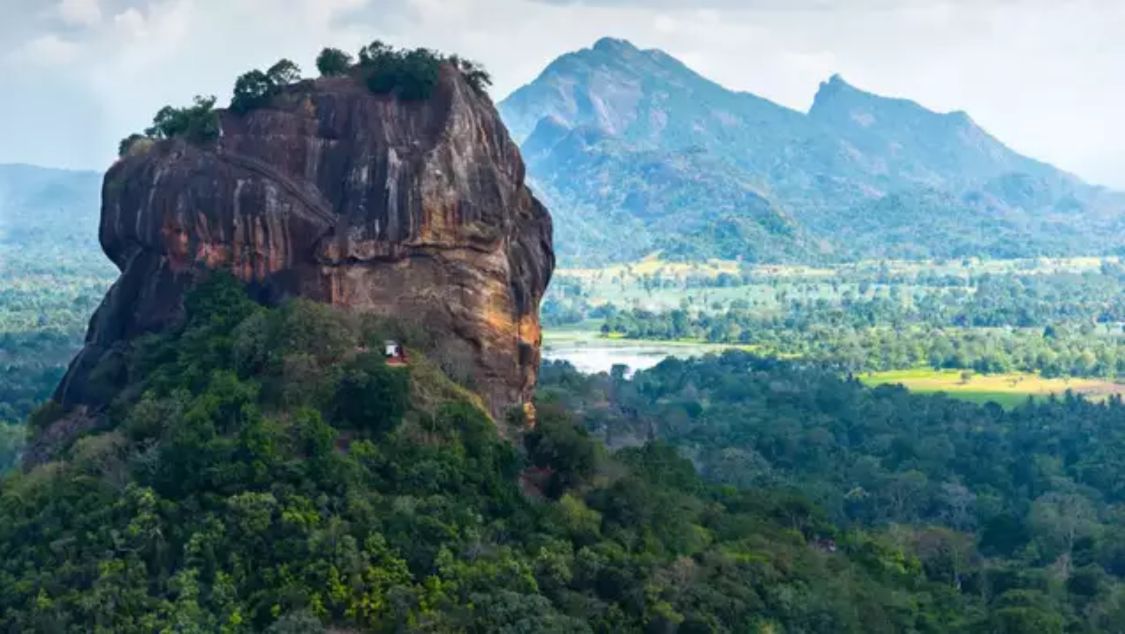
Sri Lanka Introduces Visa Free Travel for Tourists from Thirty Five Countries
- Aug 23,2024
- Travel And Tour World
Sri Lanka launches visa free travel for tourists from 35 countries, including China, India, Russia, the UK, and Germany, aiming to boost its tourism sector and revive the economy. In a bold and strategic initiative, Sri Lanka has announced the approval of free tourist visas for visitors from 35 countries, including significant markets like China, India, and Russia. This move is part of the island nation’s comprehensive plan to rejuvenate its tourism industry, which has been severely impacted in recent years, and to invigorate its ailing economy. The decision was confirmed by Sri Lanka’s Cabinet and announced by Cabinet spokesman and Transport Minister Bandula Gunawardana during a weekly briefing on Thursday. A Six-Month Pilot Program to Attract Global Tourists Starting from October 1, 2024, tourists from the designated 35 countries will be eligible for a 30-day visa-free entry into Sri Lanka. This initiative will run as a six-month pilot program, during which the government will assess its impact on tourism and the broader economy. The move is seen as a crucial step in positioning Sri Lanka as a more accessible and attractive destination for international tourists. “The aim of the government is to transform Sri Lanka into a free visa country, much like Singapore, Thailand, and Vietnam, to tap into the benefits of a rapidly growing tourism industry,” Gunawardana stated. This vision underscores Sri Lanka’s ambition to join the ranks of other prominent tourist destinations in the region that have successfully implemented visa-free entry policies to boost tourism. Countries Included in the Free Visa Initiative The extensive list of countries eligible for the free tourist visa program reflects Sri Lanka’s focus on both traditional and emerging tourist markets. Among the countries included are major tourism sources like India, China, and Russia, as well as nations across Europe, the Middle East, and Asia. The full list of countries is as follows: India, China, United Kingdom, Germany, Netherlands, Belgium, Spain, Australia, Denmark, Poland, Kazakhstan, Saudi Arabia, United Arab Emirates, Nepal, Indonesia, Russia, Thailand, Malaysia, Japan, and France, among others. This diverse selection highlights Sri Lanka’s strategy to attract tourists from a wide range of regions, ensuring a steady influx of visitors throughout the year. By targeting both high-volume tourist markets like India and China and key European nations, Sri Lanka aims to diversify its tourist base and reduce its dependence on any single market. Reviving a Crisis-Hit Tourism Industry Sri Lanka’s tourism industry, once a thriving sector that contributed significantly to the country’s GDP, has faced severe challenges over the past few years. The COVID-19 pandemic dealt a heavy blow to global travel, leading to a sharp decline in tourist arrivals. This was followed by a financial crisis in 2022, which saw widespread protests, political instability, and severe shortages of essentials like fuel, further discouraging international tourists. However, the situation began to improve in 2023, with the tourism industry showing signs of recovery. Sri Lanka recorded nearly 2 million tourist arrivals by mid-August 2024, marking a significant milestone as the country reached this figure for the first time since 2019. The government now expects to close the year with a total of 2.3 million arrivals, signaling a robust recovery trajectory. Sri Lanka’s decision to offer free tourist visas to visitors from 35 countries marks a significant milestone in its efforts to revive its tourism industry and boost its economy. By making the country more accessible to international tourists, Sri Lanka is poised to attract more visitors, generate higher tourism revenues, and strengthen its position as a leading travel destination in the Asia-Pacific region. As the six-month pilot program unfolds, the government will be closely monitoring its impact on tourist arrivals and the broader economy. If successful, this initiative could pave the way for Sri Lanka to become a permanent “free visa” destination, attracting millions of tourists each year and driving long-term economic growth. Sri Lanka’s tourism industry is on the cusp of a remarkable transformation, and the free visa initiative is a crucial step in that journey. With the right policies and investments, Sri Lanka can look forward to a bright future as a thriving, world-class tourist destination.
Read more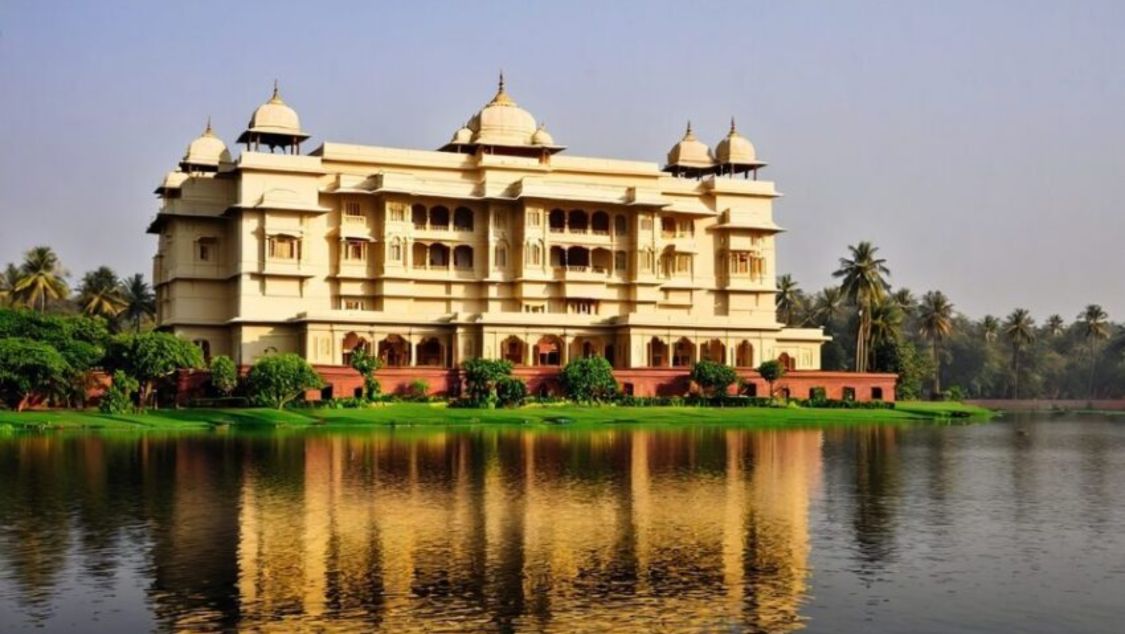
The Leela Palaces, Hotels and Resorts Joins the World Travel & Tourism Council
- Aug 23,2024
- Breaking Travel News
The World Travel & Tourism Council (WTTC) proudly announces the addition of The Leela Palaces, Hotels and Resorts to its prestigious Membership, aligning it with the world’s most influential hotel groups. The Leela Palaces, Hotels and Resorts, a collection of 12 opulent properties in India’s most iconic locations, has redefined luxury since its inception in Mumbai in 1986. Renowned for delivering unparalleled experiences, it was named the World’s Best Hotel Brand by Travel + Leisure for two consecutive years, and continues to rank among the top three globally, continuing its legacy of excellence. WTTC represents the global Travel & Tourism industry, uniting its top business leaders. It drives sustainable growth, offers data-driven insights, and partners with governments and businesses to shape policies that boost Travel & Tourism’s economic impact worldwide. Julia Simpson, WTTC President & CEO, said; “Welcoming The Leela into the WTTC family underscores their unwavering commitment to luxury and sustainable practices. The Leela’s dedication sets a high bar in the hospitality industry. “It is the embodiment of Indian hospitality and offers a fresh and invaluable perspective to our global community and enriches the sector. We are excited to work together to push the boundaries of Travel & Tourism.” Anuraag Bhatnagar, The Leela Palaces, Hotels and Resorts CEO, said “We are elated to join the World Travel & Tourism Council, an organisation esteemed for its visionary leadership and advocacy within the global Travel & Tourism industry. “At The Leela Palaces, Hotels and Resorts, we are dedicated to delivering unparalleled luxury experiences and fostering sustainable growth. This membership aligns perfectly with our vision, and we eagerly anticipate contributing to the industry’s future alongside esteemed peers.” Under Bhatnagar’s visionary leadership, The Leela has expanded with five new hotels and introduced pioneering initiatives such as The Leela Palace Services, Ceremonial Rituals, Tishya by The Leela, Aujasya by The Leela, and Icons of India by The Leela, further solidifying its position as the pinnacle of Indian luxury. With an extensive background in leading luxury hotel brands, Bhatnagar continues to drive The Leela’s growth and commitment to excellence.
Read more