

“Welcome to MonGOlia”: A lesser-explored Asian gem reemerging on the global tourism stage
- Aug 19,2024
- Times Of India
Mongolia, a lesser-explored gem in Asia, is a stunning nation brimming with rich cultural past. Of late, the nation is making a strong push to attract international tourists with its unique landscapes. The country, noted for its reindeer sleigh rides, camel racing, and expansive wilderness, the country is aiming to attract those seeking a genuine escape from the everyday. About “Welcome to MonGOlia” campaign The “Welcome to MonGOlia” campaign marks Mongolia’s enthusiastic return to the global tourism stage, following a challenging period due to the COVID-19 pandemic. The pandemic had a severe negative impact on Mongolia's tourism industry, but the country is now working to recover. As part of its recovery efforts, the Mongolian government has introduced new flights and streamlined the visa process, including visa-free travel for many nationalities. These measures have already shown results. In the first seven months of this year, Mongolia welcomed approximately 437,000 foreign visitors, a 25% increase compared to the same period last year. This uptick includes rising numbers from Europe, the US, and Japan. South Korean visitors, in particular, have nearly doubled, thanks to the under-four-hour flight from Seoul to Ulaanbaatar. Despite these positive trends, Mongolia is still striving to reach its target of 1 million visitors annually from 2023 to 2025. The nation, historically renowned for the vast empire of Genghis Khan, is currently a landlocked country situated between Russia and China. With a population of about 3.3 million, half of whom reside in the capital city of Ulaanbaatar, Mongolia offers ample open spaces ideal for adventure tourism. Customized itineraries include horseback riding trips and camping excursions with the option of staying in traditional gers—felt-covered dwellings still used by Mongolian herders. This authentic experience draws visitors who wish to immerse themselves in Mongolia’s rich cultural heritage and natural beauty. Before the pandemic, tourism contributed 7.2% to Mongolia’s GDP and employed 7.6% of its workforce, according to the World Bank. Although the industry faced significant setbacks, the World Bank has identified substantial growth potential for Mongolia. The country's diverse landscapes, stunning scenery, and opportunities for sports and adventure tourism present a promising future for its tourism sector. Mongolia’s unique attractions and recent improvements in travel infrastructure make it an appealing destination for those looking to explore unspoiled natural beauty and cultural traditions. With continued efforts to boost tourism, Mongolia is well-positioned to welcome even more visitors in the coming years.
Read more
Discover Mount Mary’s immersive Biblical experience
- Aug 19,2024
- Times Of India
Mount Mary’s Basilica in Bandra has long been more than just a historic landmark; it’s a revered sanctuary and a gathering place for people of all faiths. Now, directly across from this iconic site, nestled beneath the Mount Mary Steps, a new cultural attraction has emerged: ‘Pranam Maria’. This immersive experience takes visitors on a journey through the life of Jesus Christ and His mother Mary via 252 life-sized statues set within a meticulously recreated historical environment. The project’s roots trace back to 2008 was inspired by a similar exhibition he encountered at a Varanasi cathedral. Joaquim dos Reis, a member of the Archdiocese’s finance committee, notes, “The foundation stone was laid with the vision of creating a space for the thousands who visit the Basilica.” The experience is expected to open to the public in September, pending the final occupancy certificate. The façade of ‘Pranam Maria’ features a striking sculpture of The Holy Family—Joseph, Mary, and Jesus—set against a backdrop of seven boats and a towering Cross. This artwork, crafted to resemble intricately carved wood, symbolises Jesus’s past as a carpenter and his future on the cross, while the seven boats represent Mumbai’s seven islands and its fishing heritage. Entering the experience involves ascending a gentle slope to a concave building designed to evoke a mother’s womb. Adorned with tiny mosaic tiles and an abstract depiction of ‘The Woman and the Dragon,’ this entryway invites visitors into a sacred space. The main doors, painted with Alpha and Omega symbols, open outward, symbolizing an open invitation to all. Covering 10,000 square feet across two levels, it offers a 50-minute multimedia journey through 2,000 years of history. Visitors are enveloped in a custom musical score and dramatic storytelling as they move through scenes of lush landscapes, sunsets over the Sea of Galilee, and key Biblical moments. The statues and sculptures are brought to life with theatrical lighting, music, and narration. The creation of the 252 life-sized statues began in 2018, with traditional artisans from VV Patkar’s studio sculpting the figures. The faces were painted by Rishikesh Deshmane, an alumnus of JJ School of Arts.
Read more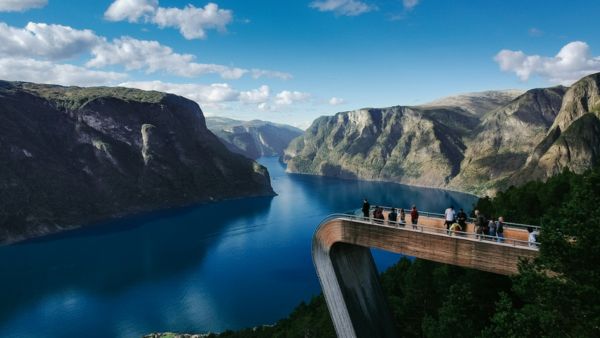
Norway Sees Surge in Visitors as Kroner Falls
- Aug 17,2024
- Travel And Tour World
The weakening of the Norwegian krone has transformed Norway, typically known for its high costs, into a more accessible destination for global tourists. As the krone depreciates against major currencies, the country has seen a significant increase in tourism, particularly from countries like China, where Norway’s natural beauty is now more affordable. The Impact of a Weaker Krone The Norwegian krone has depreciated by about 6.50% against the US dollar and 5.45% against the Euro since the beginning of 2024. This depreciation has made travel to Norway more affordable, resulting in increased spending by tourists on luxury goods, such as clothing from high-end brands like Moncler and Høyer. The influx of tourists is benefiting local businesses and boosting the overall economy. However, while the tourism sector flourishes, Norwegian consumers and businesses that rely on imports are feeling the pinch. The weaker krone has increased costs for Norwegians traveling abroad and made international goods more expensive for local retailers. Surge in Tourism Tourism in Norway is expected to generate $4,682 million (€4,291 million) in 2024, with a projected annual growth rate of 3.03% through 2029. Visitors from Germany, the United States, Sweden, the Netherlands, and Denmark are contributing to this growth, particularly during the summer months. Popular activities include kayaking in fjords, hiking, camping, and in the winter, seeing the Northern Lights and engaging in skiing and glacier exploration. Norway’s investment in sustainable tourism is also paying off, attracting environmentally conscious travelers interested in whale watching, polar bear expeditions, and bird watching. Challenges of a Falling Krone The depreciation of the krone is partly attributed to the decline in Norway’s oil and gas sector, along with recent tax increases, including a higher wealth tax and an exit tax for billionaires. These factors have discouraged investment and led to capital outflows. Kyle Chapman, a forex market analyst, notes that the krone’s weakness is also due to reduced investor risk appetite and a faster-than-expected decline in Norwegian inflation. Despite these challenges, the krone could recover once global markets stabilize. Looking Ahead Norway’s central bank, Norges Bank, has acknowledged the impact of the krone on inflation and economic activity. Governor Ida Wolden Bache emphasized that while the bank does not target the exchange rate, it remains a concern due to its influence on the economy. The future of the krone may be shaped by ongoing changes in the global energy landscape and Norway’s transition away from petroleum. As Norway continues to navigate these economic shifts, the tourism sector stands out as a bright spot, offering growth opportunities and helping to offset some of the challenges posed by a weaker currency.
Read more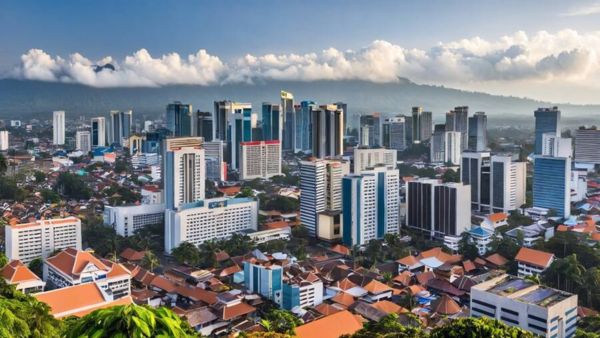
Indonesia’s First International B2B Tourism Event to Debut in Jakarta
- Aug 17,2024
- Travel And Tour World
Indonesia is preparing to host its inaugural international B2B tourism event, the Wonderful Indonesia Tourism Fair (WITF), from 2-4 October 2024 in Jakarta. Positioned to become an annual highlight in the global tourism calendar, WITF 2024 will take place at the Swissotel Jakarta PIK Avenue, strategically chosen for its prime location in Pantai Indah Kapuk (PIK), a rapidly emerging tourist hotspot known as the “new Jakarta city.” Why Jakarta and PIK? The selection of Swissotel Jakarta PIK Avenue as the venue underscores the strategic importance of PIK, which offers easy access from Soekarno-Hatta International Airport and boasts a thriving ecosystem of businesses, entertainment, and event facilities. “PIK is not just a venue; it’s a destination that represents the future of Jakarta as a hub for tourism and business,” said Budi Tirtawisata, chair of the Steering Committee for WITF 2024. The Birth of WITF The inspiration for WITF was born out of a vision to create a homegrown event on par with international tourism trade fairs like ITB Berlin and WTM London. This idea gained momentum during the ASEAN Tourism Forum held in Yogyakarta last year, where government and tourism stakeholders recognized the need for Indonesia to showcase its rich cultural and natural heritage on a global stage. WITF 2024 is a fully self-funded initiative, owned by GIPI (the Indonesian Tourism Industry Association) with the support and endorsement of the Ministry of Tourism and Creative Economy (MOTCE). The event’s organization is overseen by a committee of nine industry veterans, including ASTINDO chair Pauline Suharno, who are committed to bringing together tourism players to elevate Indonesia’s global tourism profile. Showcasing Indonesia’s Diversity WITF 2024 aims to expand global perceptions of Indonesia as a tourist destination by highlighting the country’s vast diversity. The event will showcase attractions from across the archipelago, including North Sumatra, West Sumatra, South Sumatra, Lampung, Bangka-Belitung, and beyond. Tour operators from around the world will have the opportunity to explore these destinations firsthand, providing them with the insights needed to promote Indonesia in their home countries. The committee is targeting the attendance of 150 to 200 international buyers, with the majority expected from Asia, 20% from Europe, and the remainder from the Middle East, Australia, and the US. Buyers from countries such as Vietnam, Poland, Bulgaria, and Uzbekistan have already confirmed their participation. In addition to tour operators, leading Indonesian companies, including PT Astra International, Coca Cola Euro Pacific, and United Tractors, have been invited as potential buyers, particularly in the MICE (Meetings, Incentives, Conferences, and Exhibitions) market. Global Collaboration and Industry Support WITF 2024 is in talks with major global and regional carriers such as Emirates, Turkish Airlines, Qatar Airways, Singapore Airlines, All Nippon Airways, and Japan Airlines to ensure robust participation. Garuda Indonesia, the national flag carrier, has already pledged its support. A Dual-Event Experience WITF 2024 is organized in collaboration with the Southeast Asia Business Event Forum (SEABEFF), a government-sponsored international conference focused on the MICE industry. While WITF will serve as a B2B travel tradeshow, SEABEFF will offer a platform for industry professionals to discuss trends and outlooks in the MICE sector, providing a comprehensive experience for attendees. As Indonesia prepares to debut the Wonderful Indonesia Tourism Fair, the event is poised to solidify the nation’s position as a leading tourism destination and a key player in the global tourism industry.
Read more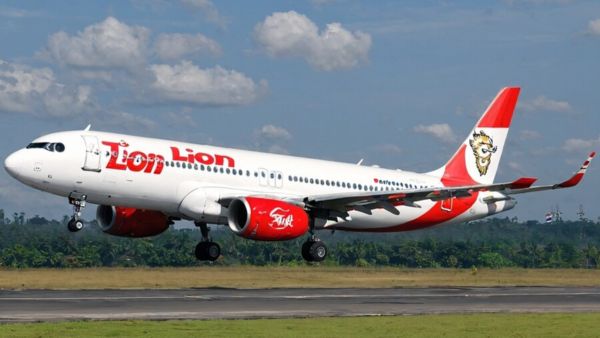
Thai Lion Air Launches New Bangkok-Ahmedabad Route With Plans For Further Expansion
- Aug 17,2024
- Travel And Tour World
Thai Lion Air has launched a new route connecting Bangkok Don Mueang with Ahmedabad, offering four weekly flights and expanding its international reach. Thai Lion Air has inaugurated a new route to India by initiating flights that link Bangkok Don Mueang with Ahmedabad. The service started on August 15 and will run four times weekly: on Tuesdays, Thursdays, Saturdays, and Sundays. According to OAG Schedules Analyser data, the airline will face competition from Thai AirAsia on this route. Thai Lion Air also anticipates the addition of five more aircraft in the latter half of the year, which will allow it to enhance its service from Bangkok Don Mueang to Tokyo Narita, via Taipei, from five to six times weekly. Additionally, this expansion will facilitate the introduction of further international routes. Thai Lion Mentari Co. Ltd, known commercially as Thai Lion Air, is a budget airline based in Thailand. It operates in partnership with Thai associates and is an affiliate of Indonesia’s Lion Air.
Read more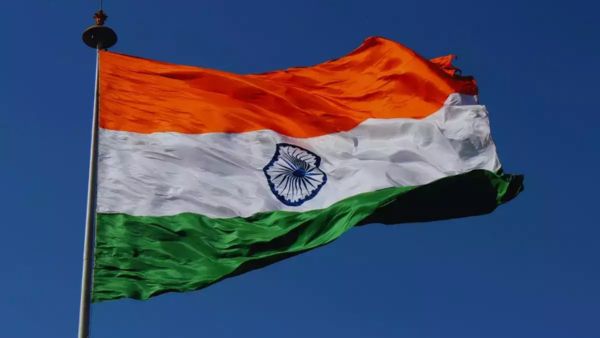
Impressive 735-meter Tricolor unfurled at Chenab Rail Bridge in Kashmir
- Aug 17,2024
- Times Of India
Yesterday was a big day as the 735-m Indian flag was unfurled at the Chenab Rail Bridge, the world’s highest railway bridge. It was a beautiful spectacle and proud moment and the event took place in the Reasi district of Jammu and Kashmir, where the flag was raised by the Deputy Commissioner and the Senior Superintendent of Police of Reasi. More about Chenab Rail Bridge The Chenab Rail Bridge is a remarkable architectural marvel standing at a height of 359 m (approximately 1178 feet) above the Chenab River, surpassing the Eiffel Tower by about 35 m. This impressive bridge is made of steel and concrete and supports a single-track railway line between Bakkal and Kauri in Reasi. It has now earned the title of the world's highest railway bridge, symbolizing a significant achievement in infrastructure. On the occasion, Reasi DC Vishesh Paul Mahajan remarked, “A tricolor of almost 750 meters has been displayed at the world’s highest railway bridge to demonstrate our profound love for the nation.” This grand gesture highlights the bridge’s importance not just as an engineering marvel but also as a symbol of national pride. In preparation for the 78th Independence Day celebrations, security measures have been heightened across the region. Authorities have implemented rigorous vehicle checks on the Jammu-Srinagar Highway to ensure a safe and smooth conduct of the festivities. Deputy Superintendent of Police (DSP) Udhampur, Prahlad Kumar, has urged the public to report any suspicious activities to the police as a precautionary measure. Additionally, earlier in the day, the Head Post Office in Udhampur launched a ‘Har Ghar Tiranga’ campaign. This initiative, part of the Azadi Ka Amrit Mahotsav, encourages citizens to display the national flag at their homes. Launched in 2021 to mark the 75th anniversary of India's independence, the campaign aims to foster a sense of patriotism and raise awareness about the Indian National Flag. The ‘Har Ghar Tiranga’ campaign has seen enthusiastic participation from the public, with both post office staff and customers actively engaging in the flag-hoisting initiative. The campaign is designed to invoke a spirit of nationalism and strengthen the connection between the people and the flag, further celebrating India’s rich heritage and independence.
Read more