

New airport coming soon in Kota, Rajasthan
- Jul 26,2024
- Times Of India
In a recent travel development, Kota in Rajasthan is all set to get a new airport that is expected to boost tourism in the city. This initiative, recently done through an agreement between the Airports Authority of India (AAI), the Urban Development Department, and the Civil Aviation Department, promises to boost tourism, education, and business activities across the region. The signing ceremony was attended by Rajasthan’s Chief Minister Bhajanlal Sharma. The CM emphasised that beyond enhancing tourism, the airport will also boost educational and business endeavors. Notably, the state government has generously offered land at no cost, with the responsibility for construction, development, and operation resting with the AAI. To ensure seamless integration and maximise the airport's potential, the CM has directed the Kota Development Authority to outline a roadmap for the airport's surrounding infrastructure development. The new Kota airport is poised to revolutionise regional connectivity, drastically reducing travel times and facilitating easier access for residents of the Hadoti region. For visitors, the airport promises unparalleled convenience, offering swift access to Kota’s renowned attractions, from historical sites to cultural landmarks. Sanjeev Kumar, Chairman of AAI, highlighted that a detailed project report (DPR) is currently underway, laying the groundwork for forthcoming tenders and subsequent construction phases. This meticulous approach ensures that every facet of the airport’s development is carefully planned and executed to meet the region’s growing needs. The CM also pressed for accelerated progress on enhancing facilities at Jaipur airport, expanding Udaipur airport, and developing a permanent civil enclave at Uttarlai (Barmer) airport. These initiatives collectively aim to bolster intra-state connectivity, facilitating easier exploration of Rajasthan’s diverse offerings, including heritage trails, scenic hill stations, and cultural landmarks. The anticipated benefits of the Kota airport extend beyond tourism, encompassing improved accessibility for students and educators drawn to Kota’s prestigious educational institutions. Additionally, enhanced travel options will stimulate economic activities, fostering new business opportunities and reinforcing Kota’s status as a burgeoning economic center. The upcoming Kota airport represents more than just a new travel hub—it symbolises a gateway to opportunity, connectivity, and growth for Rajasthan.
Read more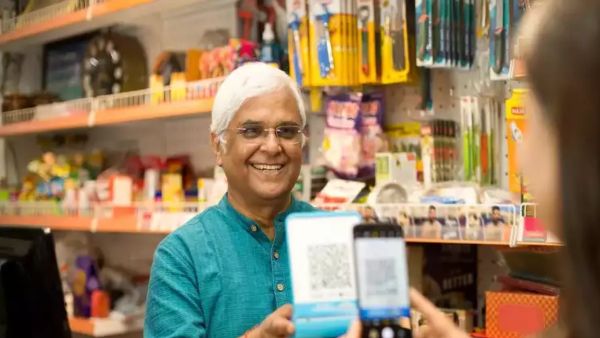
UPI One World Wallet launched for international travellers
- Jul 26,2024
- Times Of India
In a revolutionary step, the National Payments Corporation of India (NPCI) has introduced the ‘UPI One World’ wallet, aimed at enhancing the digital payment experience for international visitors to India. This innovative service promises to simplify transactions in real-time, empowering tourists to explore India. The ‘UPI One World’ wallet allows the Unified Payments Interface (UPI), renowned for its efficiency and security in digital transactions. Originally introduced during India’s G20 summit last year, the wallet has now been expanded to accommodate visitors from a broader range of countries, promising greater accessibility and convenience. To avail the benefits of the UPI One World service, visitors can follow below mentioned steps: Download Issuer App: Start by downloading the issuer app and completing the sign-in process. Document Verification: Physically verify your passport and valid visa at the issuer counter. Issuance of UPI One World: Obtain the UPI One World wallet linked to your international mobile number. Load INR Value: Load desired amounts in Indian Rupees (INR) using one of the following methods: Exchange foreign currency at the issuer counter with assistance from Forex experts. Use a credit card or debit card to transfer funds. Use the Wallet: Enjoy the convenience of using the preloaded INR at various merchant outlets across India. Encash Remaining Balance: Before departure, easily encash any remaining balance loaded in the wallet. An NPCI spokesperson conveyed excitement about the recent launch, emphasizing, "We are delighted to introduce UPI One World, offering international visitors to India the seamless UPI payment experience. This initiative is designed to elevate visitor satisfaction by providing access to UPI, a favored payment method among Indians. With UPI One World, travelers can effortlessly manage their financial transactions, including loading funds and easily transferring any unused balance back to their original payment source. By integrating foreign travelers into India's real-time payments system, we aim to foster a more interconnected global digital payments ecosystem." Where to Use UPI One World: Travel Bookings Online Shopping Platforms Merchant Stores Grocery Stores Entertainment Venues Hotels and Restaurants Transportation Services By introducing the ‘UPI One World’ wallet, NPCI has not only streamlined the payment process for international visitors but also bolstered India’s position as a technologically advanced destination.
Read more
Classic Vacations Partners With Project Expedition To Enhance Luxury Travel Adventures
- Jul 25,2024
- Travel And Tour World
Classic Vacations™, the top-rated global luxury travel company, announces a new partnership with Project Expedition, the leading portal for Travel Advisors to discover and book excursions and tours. This marks the first integrated partnership within Classic Vacations’ new booking engine. This collaboration combines the expertise and resources of two renowned global travel companies, enhancing Classic Vacations’ portfolio of highly curated hotels, air travel, and transportation with exceptional tours and activities. Project Expedition offers an extensive network of experiences, with new options added weekly from top-rated in-destination partners. Travel Advisors can now seamlessly integrate world-class excursions, tours, day passes, multi-day trips, private and group attractions, and ticketed events into their clients’ itineraries directly through Classic Vacations. “For nearly 50 years, Classic Vacations has been dedicated to a customer-driven strategy, and we remain steadfast in our goal to exceed Travel Advisors’ expectations,” said Melissa Krueger, CEO of Classic Vacations. “This collaboration represents a significant leap in our commitment to Travel Advisors by putting modern technology at their fingertips. Every phase of the Classic Vacations digital transformation is guided by Advisors. In fact, it was our Advisors who suggested that we partner with Project Expedition. Now they can book thousands of amazing experiences using our upgraded booking platform.” By integrating Project Expedition into the Classic Vacations booking engine, Classic provides the Advisor community with a seamless way to earn commissions while offering clients frictionless itineraries, marking a significant advancement in Travel Advisor technology. Project Expedition’s thoughtfully curated portfolio includes exclusive experiences and activities from top-rated tour operators worldwide, featuring thousands of options in preferred Classic Vacations destinations such as Europe, the Caribbean, Hawaii, and Mexico. Kreuger highlighted that the Classic Vacations booking platform already includes over 1,400 Project Expedition tour and activity options in Europe alone, with more to come. In Rome, Advisors can now package private sightseeing tours of the Colosseum, the Sistine Chapel, and the Vatican. In Paris, options include walking tours featuring the Eiffel Tower and the Louvre, with wine tasting along the way. In St. Lucia, choices range from island tours and rum tastings to mud baths and catamaran charters. In Maui, travelers can embark on a guided sunrise bike tour of the Haleakala Volcano, while in Cancun, Tulum, and Playa del Carmen, they can enjoy a personally guided adventure to Chichen Itza and its surrounding cenotes. Project Expedition’s unique offerings, combined with Classic Vacations’ luxury portfolio of award-winning hotels, affiliate products, and vacation rentals, ensure exceptional quality, service, and unforgettable memories for discerning travelers. “Our partnership with Classic Vacations opens up a world of possibilities for Travel Advisors,” said Rob Keen, co-founder of Project Expedition. “By integrating our extensive inventory of curated experiences with Classic Vacations’ renowned booking platform, we’re collectively empowering Advisors to create more robust itineraries that truly elevate the luxury travel experience,” said Keen. Classic Vacations has recently announced a significant technology investment to empower Travel Advisors. This includes enhancements to push itineraries through an elevated AXUS integration, the launch of a new Classic VIP Connect program that notifies 5-star hotels of an Advisor’s preferred clients’ arrival, and an improved booking platform that allows the curation of multiple destinations within a single itinerary. These advancements continue to build an exceptional online experience for luxury Travel Advisors, while also offering advantageous commissions and access to the industry’s leading Advisor incentive program, Royalty Rewards. Owned by The Najafi Companies, Classic Vacations takes pride in continually enhancing its online booking features and benefits, striving to lead the industry and support the modern-day Travel Advisor.
Read more
UN Tourism Highlights Lucrative Investment Opportunities In Zambia
- Jul 25,2024
- Travel And Tour World
The UN Tourism guide, “Tourism Doing Business—Investing in Zambia,” highlights key sectors for investment, showcasing Zambia’s economic potential and growth opportunities. The UN Tourism organization has introduced a comprehensive guide titled “Tourism Doing Business—Investing in Zambia,” focusing on sustainable tourism development in the country. This guide highlights essential sectors for investment, with the objective of fostering economic growth throughout Zambia. Zurab Pololikashvili, Secretary General of UN Tourism, stated, “This publication will lead to greater prosperity, job creation, community empowerment, and SME expansion in Zambia. It offers a comprehensive overview of Zambia’s economic, political, and social landscape, highlighting the vast opportunities within Zambia’s tourism industry.” Rodney Simbuka, Minister of Tourism of Zambia, said: “Investment in tourism is pivotal not only for sustainable development, economic growth, job creation but also the preservation of our rich cultural heritage and the conservation of our natural resources creating opportunities for the local communities.” Stability and Growth in Zambia The International Monetary Fund (IMF) reports that Zambia’s economic prospects are encouraging, with expected growth rates of 4.3% in 2023, 4.7% in 2024, and 4.8% in 2025. Over the past decade, Zambia has maintained a stable growth rate of 3.2%, surpassing the Sub-Saharan Africa average of 3.0%, highlighting its economic stability. Reasons to Invest in Zambia The guide “Tourism Doing Business—Investing in Zambia” identifies several compelling reasons for international investors to consider Zambia: Rich Biodiversity and Natural Resources: With 30% of its land (22.4 million hectares) designated for 20 national parks and green spaces, Zambia’s natural beauty is a significant draw for investors. Strategic Location and Cultural Diversity: Bordered by eight countries and boasting over 70 ethnolinguistic groups, Zambia’s geographic and cultural diversity are advantageous for investment. Business-Friendly Environment: Zambia ranks as the 7th Best Country to do Business among 54 African nations and 1st for Ease of Obtaining Credit in Africa, underscored by 60 years of peace and stability. Attractive Investment Incentives: The country has 16 investment promotion and protection agreements in place, offering appealing incentives for investors. Investing in Tourism Zambia presents numerous investment opportunities, particularly in the tourism sector, startups, and Foreign Direct Investment (FDI). The country has attracted an average of USD 969.7 million in FDI receipts annually over the past decade. Factors such as economic resilience, focus on tourism education, tax incentives, and streamlined business setup processes make Zambia an appealing destination for investors. The services sector significantly contributes to Zambia’s economy, accounting for nearly 58% of GDP and employing 33% of the workforce. By creating an investor-friendly environment, Zambia facilitates informed decision-making, enabling stakeholders to leverage the country’s strengths and actively support sustainable development initiatives.
Read more
Nepal Relies on India for Tourism Boost : what you need to know
- Jul 25,2024
- Travel And Tour World
Nepal has witnessed a significant growth in tourism, with India leading the surge. In the first six months of 2024, Nepal recorded 186,696 arrivals from India, contributing over 30% of the total tourist arrivals. This marks a 6.21% overall growth compared to the same period in 2023. Srijana Nepali, Officer of the Tourism Marketing and Promotion Department at the Nepal Tourism Board, highlighted that Indian tourist numbers have fully rebounded to 100%, outperforming other countries in the Asia-Pacific region. With a total of 583,016 international visitors from January to June, the top source markets for Nepal are: India: 186,696 China: 54,165 USA: 53,654 UK: 25,250 Bangladesh: 21,992 Australia: 18,635 Thailand: 16,861 Germany: 14,239 South Korea: 13,280 Sri Lanka: 11,260 Strategic Initiatives to Boost Tourism Nepal is actively implementing several strategic initiatives to enhance its appeal as a global tourist destination. These include: Digital Marketing Campaigns: Utilizing digital platforms to reach a wider audience. Influencer Marketing: Partnering with influencers to promote tourism. Sustainable Tourism Practices: Promoting community-based and green tourism initiatives. Nepal is positioning itself as an “All Season Destination,” offering diverse experiences such as adventure, treks, pilgrimage, nature, MICE (Meetings, Incentives, Conferences, and Exhibitions), film tourism, nightlife, golfing, and weddings. Emerging Trends Among Indian Travelers Indian travelers are increasingly seeking meaningful and responsible travel experiences, focusing on authentic local culture, cuisine, and adventure activities. There is a growing interest in spiritual and wellness retreats, with many opting for short trips to nearby destinations like Nepal. Personalized travel experiences and family holidays exploring local cuisine are also on the rise. Additionally, there is an emerging trend of solo travel, particularly among women. Strengthening B2B Relationships in India To strengthen relationships with the B2B travel trade sector in India, Nepal is focusing on: Networking Events: Organizing webinars, workshops, and networking events. Familiarization Trips: Providing firsthand destination experiences to travel trade professionals. Partnerships and Collaborations: Establishing partnerships and collaborating on events for destination branding and promotion.
Read more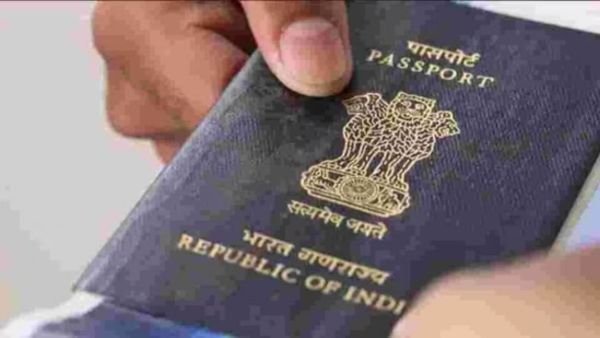
Indian passport ranked 82nd, allows visa-free travel to these 58 destinations
- Jul 25,2024
- Hindustan Times
With Indian citizens enjoying visa-free entry to 58 foreign destinations, the Henley Passport Index 2024 has ranked the country's passport at the 82nd position. An Indian passport holder can travel visa-free to popular tourist destinations like Indonesia, Maldives, and Thailand. Singapore clinched the top spot as the world's most powerful passport as citizens of this city-state enjoy visa-free access to an impressive 195 countries. France, Italy, Germany, Spain and Japan have the second most powerful passport, each providing visa-free access to 192 destinations. Austria, Finland, Ireland, Luxembourg, the Netherlands, South Korea, and Sweden share the third position, with visa-free entry to 191 countries. The United Kingdom, alongside New Zealand, Norway, Belgium, Denmark, and Switzerland, ranks fourth, offering visa-free access to 190 countries. Australia and Portugal jointly occupy the fifth spot with visa-free travel to 189 destinations. The United States, meanwhile, has slipped to the eighth position, now allowing its citizens visa-free entry to 186 countries. A total of 34 countries are ranked in top 10 most powerful passports. The Henley Passport Index is based on data from the International Air Transport Authority (IATA). The index assumes that passport holders meet all basic entry requirements, are adult citizens traveling alone, and seek entry for tourist or business purposes for short stays. It excludes complex scenarios like diplomatic travel, emergency or temporary passports, and transit stays.
Read more