

India secures third spot in the Global Domestic Airline Market
- Jun 25,2024
- Times Of India
In a recent update, India has secured third spot in the Global Domestic Airline Market. The country has undergone a massive positive transformation in the past decade in the domestic aviation sector. In April 2024, India moved up from fifth place 10 years ago. This significant achievement reflects a great growth and strategic advancements spearheaded under Prime Minister Narendra Modi’s leadership. India's aviation sector has shown unparalleled growth, boasting the highest average annual growth rate in airline seat capacity globally at 6.9% over the past decade. As of April 2024, the country supports approximately 15.6 million domestic airline seats, surpassing Brazil and Indonesia in capacity. Key to this growth has been the dominance of low-cost carriers (LCCs), which now control a substantial 78.4% share of the domestic airline market. IndiGo, India's largest airline, has been pivotal in this narrative, doubling its market share to 62% with an impressive annual capacity growth rate of 13.9% over the same period. India’s aviation infrastructure has undergone a monumental expansion, with the number of airports more than doubling from 74 to 157 in the last decade. This infrastructure surge has been instrumental in accommodating the escalating domestic passenger traffic, evident from record-breaking single-day figures post-pandemic. When compared globally, India's aviation growth trajectory stands out amidst formidable challenges. While the United States and China maintain their positions as the largest domestic aviation markets with significantly higher seat capacities (approximately 84 million and 65 million respectively in November 2023), India’s consistent growth underscores its emerging influence in shaping the global aviation landscape. Indira Gandhi International Airport (DEL) in Delhi serves as India's busiest airport, anchoring the country's expanding air travel network. Despite challenges, including the impact of the pandemic, India’s domestic aviation sector has demonstrated resilience, with a modest seat capacity increase of 0.5% in November 2023 compared to November 2019 levels. In the future, India’s building aviation sector not only reflects its economic vitality but also positions the country as a pivotal player in the future of global air travel. With continued investments in infrastructure, technology, and regulatory reforms, India is poised to sustain its trajectory as a leading force in the world’s aviation industry for years to come.
Read more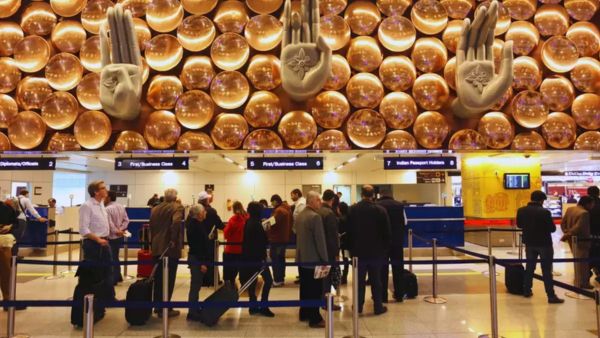
Delhi Airport: Fast Track Immigration system rolled out
- Jun 25,2024
- Times Of India
In a bid to streamline international travel and enhance passenger convenience, the Indian government has launched the Fast Track Immigration – Trusted Traveller Programme (FTI-TTP) at Delhi's Indira Gandhi International Airport. This initiative, inaugurated by Union Home Minister Amit Shah at Terminal 3, marks a significant step towards modernising immigration processes for Indian nationals and Overseas Citizens of India (OCIs). The FTI-TTP is expected to expedite immigration clearance. Upon arrival at the airport, passengers enrolled in the programme can proceed through dedicated e-gates where their biometric data, including fingerprints and facial recognition, is instantly verified against a secure database. This automated verification process minimises the need for manual checks, significantly reducing wait times and enhancing overall travel efficiency. According to the Ministry of Home Affairs (MHA), the system captures and stores passenger biometrics securely, ensuring real-time authentication without compromising on security measures. The implementation of e-gates at Delhi's Terminal 3 is the first phase of a broader rollout that will extend to major airports across India, including Mumbai, Chennai, Kolkata, Bengaluru, Hyderabad, Kochi, and Ahmedabad. Future phases will progressively include additional airports and eventually encompass foreign nationals, aiming to provide a seamless immigration experience for all international travellers. Registration for the FTI-TTP is conducted through an online portal managed by the Bureau of Immigration. Eligible applicants, including Indian citizens and OCI cardholders, are required to upload necessary documents for verification. Once approved, travellers receive a "trusted traveller" status and gain access to the expedited immigration lanes equipped with e-gates. Union Home Minister Amit Shah highlighted the programme as a cornerstone of the government's commitment to enhancing travel convenience and efficiency under the 'Viksit Bharat at 2047' vision. By modernising immigration facilities and reducing bureaucratic hurdles, the FTI-TTP aims to promote India as a preferred destination for international travel and business. At the e-gates, registered passengers undergo a straightforward process: they scan their boarding pass and passport, followed by biometric authentication. Upon successful verification, the gates open automatically, granting swift immigration clearance. The registration under FTI-TTP remains valid until the passport's expiry or up to five years, with provisions for easy renewal to ensure continuous benefits for frequent travellers. The launch of the FTI-TTP at Delhi Airport represents a significant milestone in India's efforts to enhance its position as a global hub for tourism and business, promising a seamless and secure travel experience for travellers from around the world.
Read more
Paytm partners with travel aggregators to strengthen its travel segment
- Jun 24,2024
- Financial express
One 97 Communications Limited (OCL), the parent company of Paytm, on Monday announced that it has partnered with travel aggregators such as Skyscanner, Google Flights, and Wego, driving towards growth in its travel segment. During the fourth quarter of FY24, Paytm had maintained its upward trajectory in market share among OTAs, with flight bookings showing year-on-year increase of around 19 per cent, surpassing the industry’s growth rate of around approximately 3 per cent. This growth, it added, is further underscored by around 15 per cent on-year rise in international ticket bookings in April showcasing Paytm Travel as the preferred destination for competitive prices and seamless services in travel bookings. Paytm has also witnessed growing preference among travelers, including those from small cities and towns, for their commuting needs. The recent NDC integration with Amadeus, featuring Singapore Airlines and Qatar Airways as the first two airlines on NDCx and on-boarding of Eva Airways, marks a significant milestone. This integration offers artificial intelligence-powered capabilities, enhancing the booking experience by providing more tailored travel options and packages directly from the airlines. To provide further selection to international flyers, Paytm Travel has also onboarded three new carriers including Cambodia Angkor Air, SalamAir, and FlyDubai. The company said that it now hosts new bus operators including Mettur expanding its service offerings and providing more travel options to customers. Further, the introduction of a Free Cancellation service has seen high growth in trains and buses, followed by flights, offering customers greater flexibility and peace of mind. Paytm spokesperson said, “We are committed to expanding our travel business offerings and enhancing the overall customer experience. Our partnerships with global travel aggregators and leading airlines, combined with the integration of artificial intelligence, underscore our dedication to providing seamless, convenient, and competitive travel solutions. As we continue to innovate and grow, we aim to deliver exceptional value and a superior travel experience to our customers.”
Read more
Visa-free travel: Maldives sets record with 1.8 million new international tourists; leaves Seychelles behind
- Jun 24,2024
- Times Of india
There’s no doubt that the Maldives and Seychelles are two tropical heavens on Earth noted for their natural beauty. These two destinations have become iconic global destinations for those looking for visa-free entry. The welcoming policies opted by these places have boosted their tourism sectors significantly. As per records, as of mid-2024, the Maldives has recorded notable tourist inflows, with China leading the pack followed by Russia, the UK, Italy, Germany, and India. The country's attractiveness lies in the world-class destinations like Soneva Jani, Hurawalhi Ocean Villa, and Conrad Maldives Rangali Island, drawing visitors averaging a stay of 7.8 days. On the other hand, Seychelles, while also offering visa-free access, reported fewer arrivals compared to the Maldives in 2023, totaling 384,204 visitors. The nation's growth outlook remains positive, supported by stable tourism and advancements in information technology. Seychelles International Airport serves as an important hub. Tourism constitutes a substantial portion of the GDP in both nations, with the Maldives at 30% and Seychelles slightly higher at 31%. The Maldives, particularly, has seen robust growth, buoyed by strategic increases in goods and services tax rates. Both destinations stress on sustainable tourism practices to preserve their natural beauty and cultural heritage. Top hotels like Raffles Seychelles and Kempinski Seychelles Resort contribute significantly to Seychelles' hospitality sector, enhancing its appeal to global travelers. In summary, while the Maldives leads with record-breaking arrivals and robust tourism infrastructure, Seychelles continues to attract visitors with its pristine landscapes and strategic tourism initiatives. As both nations navigate economic challenges and strive for sustainable growth, their commitment to welcoming global travelers remains steadfast, ensuring continued prosperity in their tourism sectors. Seychelles, an Indian Ocean archipelago, entices visitors with pristine beaches and lush landscapes. It offers visa-free entry, fostering tourism growth crucial to its economy. Top attractions include Raffles Seychelles and the vibrant Seychelles International Airport. The Maldives, renowned for its azure waters and luxury resorts, leads in global tourism with visa-free access. It boasts iconic destinations like Conrad Maldives Rangali Island and Velana International Airport, pivotal in sustaining its booming hospitality sector.
Read more
Kozhikode in Kerala becomes India’s first UNESCO City of Literature
- Jun 24,2024
- Times Of india
Kozhikode is celebrating a historic day today! The city has created history by becoming India's first city to be designated as a UNESCO City of Literature. The announcement, scheduled for 5:30 PM at the Kandamkulam Muhammad Abdu Rahiman Memorial Jubilee Hall in Tali, Kozhikode, marked a significant recognition of the city's rich literary heritage. UNESCO conferred this prestigious title on Kozhikode on October 31, 2023, affirming its status as a cultural hub for literature. Over the next four years, Kozhikode will host a series of literary and cultural activities to celebrate and promote its newfound status. Iconic locations such as Mananchira, Tali, and Kuttichira will be transformed into vibrant centers for literary events, fostering a dynamic environment for literary exchange and creativity. Even before receiving the UNESCO recognition, Kozhikode had been adorned with sculptures commemorating renowned literary figures. At Mananchira's Ansari Park, sculptures paying homage to dramatist KT Muhammad and the beloved goat from Vaikom Muhammad Basheer's famous story "Pathummayude Aadu" proved the city's literary legacy. Looking ahead, Kozhikode envisions leveraging its UNESCO status to attract global recognition and promote cultural tourism. Plans are underway to expand the literary circuit, connecting significant literary landmarks from Thunjath Ezhuthachan's Tirur to Vaikom Muhammad Basheer's Beypore. The designation as a UNESCO City of Literature not only honors Kozhikode's past contributions to Malayalam literature but also sets the stage for future growth and international collaboration in the literary arts. It is expected to attract writers, scholars, and literary enthusiasts from around the globe, fostering cultural exchange and enriching the city's cultural tapestry. Kozhikode, also known as Calicut, is a colourful city in Kerala that holds a rich historical and cultural significance. The city is renowned for its role as an ancient trading hub and the place where Portuguese explorer Vasco da Gama first landed in India in 1498. Today, Kozhikode blends its illustrious past with modern developments, offering visitors a unique experience of Kerala's coastal charm and cultural diversity. The city is famed for its pristine beaches like Kozhikode Beach and Beypore Beach, where one can enjoy picturesque sunsets and traditional wooden boat craftsmanship. Kozhikode is also celebrated for its culinary delights, especially its Malabar cuisine known for its aromatic spices and seafood delicacies. Today, Kozhikode continues to attract tourists and scholars alike, making it a fascinating destination in Kerala.
Read more
H-1B visa: How new rules could affect Indian applicants
- Jun 24,2024
- Times Of india
The United States Citizenship and Immigration Services (USCIS) is on the verge of announcing significant changes to H-1B visa regulations, a move poised to reshape the landscape for employers and professionals, particularly those from India. The new regulations are scheduled for release on July 8, initiating a public commentary period before they become official. The proposed changes include the introduction of a $4,000 fee for extending H-1B visas and a $4,500 fee for extending L-1 visas. These fees align with the 9/11 Response and Biometric Entry-Exit Fee, which currently applies only to initial visa petitions and changes in employers. Initially proposed by the USCIS on October 23 of the previous year, the rule is currently undergoing a 60-day commentary phase. Reports from Forbes indicate that the Biden administration may finalise the rule by the end of this year or after the upcoming election. These changes could disrupt the plans of many Indian H-1B visa holders and prospective applicants, affecting thousands who seek to live and work in the US. A particularly contentious aspect of the proposed regulations is the redefinition of specialty occupations. The new definition would require that job roles necessitate specific degrees closely tied to the job’s specific specialities. This mirrors a policy from the Trump administration, which faced litigation over concerns that it excluded numerous skilled international professionals. Under the revised definition, individuals with degrees in business administration might be categorised as holding a 'general degree,' which could be deemed insufficient for specialty occupation status. Moreover, the Department of Homeland Security (DHS) is contemplating imposing substantial fees on employers for H-1B and L-1 visa extensions, especially targeting entities with over 50 percent of their workforce on these visas. These visas allow US companies to import skilled talent for specialised roles that are challenging to fill locally, underscoring their importance in the American job market. Indians, who hold the highest number of H-1B visas, are likely to be significantly impacted by these proposed amendments. Companies that depend on visa extensions may face sizeable financial ramifications, prompting a reevaluation of their hiring strategies concerning foreign employees. As the USCIS gears up for the release of these new regulations, the potential impact on both employers and international professionals remains a focal point of discussion. The proposed changes highlight a broader effort to balance the need for skilled foreign labour with the administration’s regulatory goals, setting the stage for a potentially transformative period in US immigration policy.
Read more