
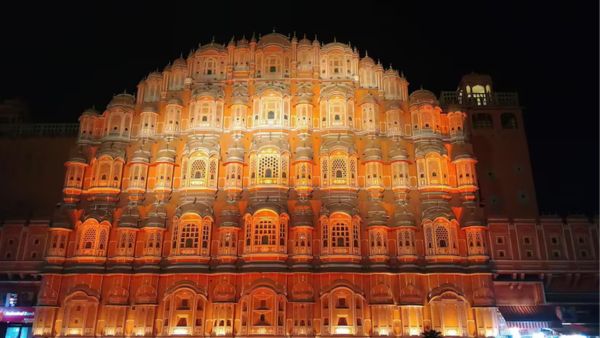
Rajasthan travel industry seeks infra push to boost wedding tourism
- May 16,2024
- Business Standard
Rajasthan’s travel industry wants infrastructure and connectivity in the state to be improved to support the government’s plan to promote wedding tourism. Industry experts say if destination weddings are to be promoted in the state, the government will have to provide good infrastructure at places with heritage properties. “At present, except for Jaipur, Jodhpur, Udaipur and Ajmer, infrastructure has not been fully developed in the state,” said Gaurav Khandelwal, who owns a travel agency. He points out that due to a lack of infrastructure, destination weddings have not become popular in Shekhawati, Kota-Bundi, and Pali-Sirohi regions of the state. “In such a situation, the entire load during the wedding season falls on these four or five major cities,” he said. Tour operator Sanjay Kaushik says if Indians living abroad want to organise back home in Shekhawati, they will struggle finding a suitable heritage property. “But getting a heritage destination is not the only thing. Arrangements to accommodate 100-200 guests become a problem.” Kaushik said Shekhawati, Kota-Bundi and Pali-Sirohi do not have big hotels and the government should give sops. Air connectivity is a problem in these regions too. Kaushik said Shekhawati is world famous for its painted frescoes and heritage havelis. These “unique havelis” can become venues for destination weddings. Ranvijay Singh, senior vice-president at Hotel Federation of Rajasthan, said if the government promotes infrastructure in the state, it will be of double benefit. “On the one hand, new tourist destinations will be created in the state and tourism will get a boost, while destination weddings will also increase,” Singh says. “There have been talks with the state government regarding the new tourism unit policy and we feel that the government will work to improve the tourism infrastructure in the state in the new policy,” he said. Bhavani Shankar Mali, general secretary of All Wedding Industries Federation, Rajasthan, said 1.5-2 million weddings take place every year in Rajasthan. “In such a situation, if efforts are made by the state government to improve infrastructure facilities, it may increase destination weddings by 5-10 percent,” said Mali. The Great Indian Travel Bazaar, which was organized in Jaipur earlier in May, highlighted the state as a place for destination weddings through the Wed in India Expo.
Read more
Low visa fee can boost international tourists’ arrival to Sri Lanka
- May 16,2024
- Travel and Tour World
Sri Lanka has announced that it will retain the $50 fee for a 30-day visa for international visitors, following significant feedback from the tourism sector. This decision comes amid complaints that the previous increase to $75 made Sri Lanka’s visa the most expensive in Asia, potentially deterring tourists from choosing the island nation as their travel destination. This article delves into the details of the visa fee decision, the new e-visa system, and the country’s recent surge in tourist arrivals. High Visa Fees Spark Tourism Concerns In April 2024, Sri Lankan authorities increased the standard visa fees to $75 for citizens of countries not part of the South Asian Association for Regional Cooperation (SAARC). This move was met with considerable backlash from the tourism industry, which argued that the high costs could drive tourists to other, more affordable destinations in the region. Tourism representatives highlighted that the $75 fee was the highest in Asia and called for the government to reconsider the decision to maintain Sri Lanka’s competitive edge in the tourism market. Reversal of the Visa Fee Increase Responding to these concerns, the Sri Lankan government decided to revert the visa fee to the previous amount of $50. The President’s Office confirmed that the original fee structure would remain in place, ensuring that the country remains an attractive destination for international travelers. This decision was welcomed by the tourism industry, which views it as a necessary step to sustain the growth of tourist arrivals and maintain Sri Lanka’s appeal as a cost-effective travel destination. Introduction of the New e-Visa System Alongside the retention of the $50 visa fee, Sri Lanka has introduced a new e-visa system. This system replaces the Electronic Travel Authorization (ETA) previously in use, with the aim of enhancing efficiency and convenience for travelers. According to Sri Lankan authorities, the e-visa system is designed to streamline the visa application process, making it easier for tourists to obtain the necessary documentation for entry. Visa-Free Entry for Selected Countries Extended To further boost tourism, Sri Lanka has extended visa-free entry for citizens of China, India, Indonesia, Russia, Thailand, Malaysia, and Japan until the end of May 2024. This initiative, which allows nationals from these seven countries to enter Sri Lanka without a visa, has been a key factor in attracting more tourists. The government emphasized that the Department of Immigration and Emigration will handle the issuance of relevant visas upon entry for these visitors. Surge in Tourist Arrivals in Early 2024 Sri Lanka continues to be a top destination for tourists worldwide. According to data from the Tourism Development Authority, the country welcomed 784,651 visitors during the first four months of 2024. This represents a significant 43 percent increase compared to the same period in 2023, when the number of visitors was 343,474. This surge in tourist arrivals underscores the effectiveness of Sri Lanka’s strategies to attract international travelers. Top Contributing Countries India, Russia, the United Kingdom, Germany, and China have emerged as the top five countries contributing the most visitors to Sri Lanka. These markets are crucial for Sri Lanka’s tourism sector, and the continued influx of tourists from these countries highlights the island’s global appeal. The retention of the $50 visa fee and the introduction of the e-visa system are expected to further enhance these numbers. Positive Impacts on the Tourism Industry The surge in tourist arrivals has had a positive impact on Sri Lanka’s tourism industry, which is a vital component of the country’s economy. Increased visitor numbers have led to higher occupancy rates in hotels, greater demand for local services and products, and boosted revenue for businesses across the tourism sector. The government’s decision to revert the visa fee and introduce a more efficient visa system is seen as a strategic move to sustain this growth. Challenges and Future Prospects Despite the positive trends, Sri Lanka faces several challenges in maintaining its momentum in the tourism sector. Competition from other destinations, geopolitical uncertainties, and economic fluctuations can all impact tourist numbers. However, the government’s proactive measures, such as retaining the visa fee and implementing a user-friendly e-visa system, demonstrate a commitment to overcoming these challenges. Sustainable Tourism Initiatives Sri Lanka is also focusing on promoting sustainable tourism practices to ensure the long-term health of its tourism industry. Efforts include the development of eco-friendly accommodations, promotion of local culture and heritage, and initiatives to protect natural resources. These sustainable practices are intended to attract environmentally conscious travelers and position Sri Lanka as a leader in responsible tourism. Sri Lanka’s decision to retain the $50 visa fee for international tourists and the introduction of a new e-visa system are pivotal steps in bolstering the country’s tourism sector. These measures, combined with the extension of visa-free entry for select countries, have contributed to a significant increase in tourist arrivals in early 2024. As the country navigates challenges and focuses on sustainable tourism, it is poised to remain a top destination for travelers worldwide.
Read more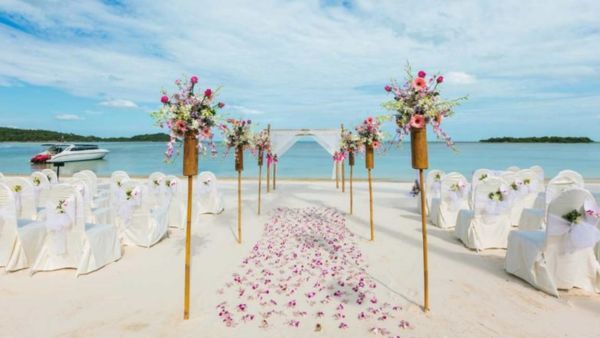
UAE to offer visa support for Indians hosting Abu Dhabi destination weddings
- May 15,2024
- Onmanorama
Dubai: Do you fancy a destination wedding in a royal Emirati setting? To establish Abu Dhabi as a premier wedding destination, the Abu Dhabi Convention and Exhibition Bureau (ADCEB) has announced an initiative to extend visa support to Indian nationals hosting weddings across the Emirate. The ADCEB, which is a part of the Department of Culture and Tourism Abu Dhabi, is undertaking this initiative to establish the UAE capital as a premier wedding destination, a statement released here said. The recently announced new visa initiative contributes to Abu Dhabi's tourism strategy 2030, which aims to boost visitor numbers to 39.3 million by 2030. The destination wedding segment is among the newest verticals to join the ADCEB as part of an verarching objective to attract domestic and international visitors and increase the sector's contribution to the GDP to AED 90 billion as per the 2030 strategy, the statement said. India is recognised as one of the largest markets for destination weddings globally, making it a key target market for Abu Dhabi. By extending visa support to Indian weddings, in the form of absorbing costs, the ADCEB's destination wedding segment aims to position Abu Dhabi as a worldleading destination for weddings and celebrations of all kinds. It provides an avenue to amplify the Emirate's unique cultural and entertainment offerings, cultural attractions and natural landscapes for international audiences. Weddings are also a key revenue stream for the hospitality sector, driving venue and hotel room occupancy, and the service industry sectors such as wedding planning, photography, catering, personal services and more, said the statement. For more information about the visa initiative please visit this website .
Read more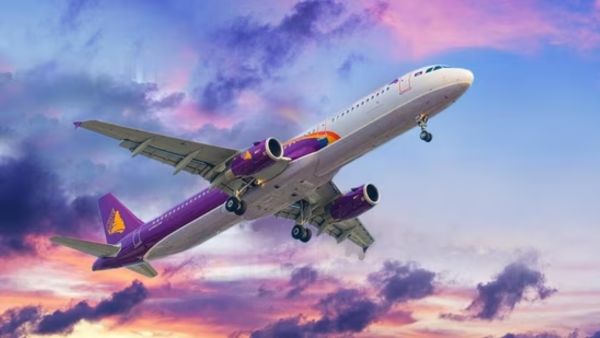
India to Cambodia first direct flight: Cambodia Angkor Air to launch direct flights between Phnom Penh and New Delhi
- May 15,2024
- Hindustan Times
The flow of tourists between India and Cambodia expected to double year-on-year, with direct flight connectivity and demand for medical tourism in India. Cambodia's national flag carrier Cambodia Angkor Air on Tuesday said the first-ever direct flight services between the two nations will start from June 16 between Phnom Penh and New Delhi four times a week on Monday, Wednesday, Friday, and Sunday. Koy Kuong, Ambassador of the Royal Embassy of Cambodia to India, said he was hopeful that the flow of tourists between the two nations will double year-on-year, with direct flight connectivity and demand for medical tourism in India. Before the Covid pandemic, around 75,000 people from India used to visit Cambodia every year, and the number is around 45,000 per year as per 2021 figures, the Ambassador told PTI. He added that he expects more people from Cambodia seeking medical treatment to come to India "because the cost of treatment is less as compared to neighbouring countries". Cambodia Angkor Airline CCO Eng Molina said the pricing per person for a round trip from New Delhi to Phnom Penh is around ₹23,000, including taxes.
Read more
Where to see the northern lights all over the world
- May 15,2024
- Hindustan Times
The thought of the Northern Lights is enough to get anyone dreaming of snow-capped scapes and psychedelic skies. Despite being the off-season, seven solar storms over the last weekend triggered solar flares that led to the surprise Aurora Borealis sightings across the world. Luckily for those who missed it, the NOAA and NASA forecasts predict the current cycle of solar flares will peak next July. Here are some destinations you can visit to catch a stronger-than-ever Aurora this year. Skálholt, Iceland This historic town is a part of Iceland’s famed Golden Circle route and was the country’s capital for over 700 years. The Skálholt Cathedral and the 5 Million Star Hotel — a stargazing campsite in the middle of the forest — are popular spots to catch the Aurora Borealis. North Norfolk coast, England Perhaps one of the few places to catch the Aurora Borealis in the UK. Two sites within Norfolk’s Area of Outstanding Natural Beauty were also awarded the Dark Sky Discovery Site status. Ingraham Trail, Canada One of the most famous destinations for catching the Northern Lights, this 70 km-long trail begins in the town of Yellowknife and ends at the remote Tibbit Lake. How to reach: Hop on a flight to Toronto or Vancouver and then fly to Yellowknife and keep driving along Highway 4 till you reach Tibbit Lake. Jukkasjärvi, Sweden Ditch the Swedish Lapland experience for a more intimate affair in this small village located 18km from Kiruna. It is also home to the world’s largest snow and ice hotel, first built in 1989. It is reborn every winter and melts away into the Torne River each summer. How to reach: Fly to Stockholm Arlanda Airport then take a domestic flight to Kiruna Airport before driving down to Jukkasjärvi. Rovaniemi, Finland Dubbed the official hometown of Santa Claus, the locals here see the Aurora as the souls of the dead or the glimmering armour of the Valkyrie, riding in the night sky. In Finnish, the word for Northern Lights–‘revontulet’–refers to a mystical firefox lighting the sky on fire with its tail. Pick snowmobiles, husky sledges, snowshoes, and reindeer sleighs and spend a night chasing with a local expert at “The Official Hometown of Santa Claus.” Northern Lights in Ladakh? In a rare event, Stanzin Norla, an engineer at the MACE Telescope, shared an image of the Stable Auroral Red (SAR) Arcs online. Norla captured the image from the Hanle Dark Sky Reserve in Ladakh on Saturday. “A very rare phenomenon... Eta Aquarid meteor shower added more beauty to the Aurora,” he wrote on X. This was not the first time an Aurora has been spotted in Ladakh, which is India’s first Dark Sky Reserve. It last occurred on April 22 and 23, 2023, which was caused by a coronal mass ejection.
Read more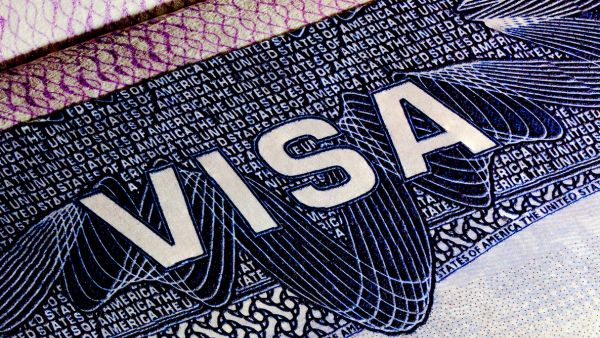
5 latest VISA updates tailor -made for Indian Travellers
- May 15,2024
- Times of India
5 latest visa updates tailor-made for Indian travellers As the summer holiday planning frenzy takes hold, there's a silver lining for all those travellers eyeing Asian destinations for summer vacations. You will find lots of options in India, but if you are planning for international travel, here are some quick updates on visa regulations that will promise you smoother journeys. These are extended visa-free entry and enhanced Schengen visa provisions. Read on to make informed decisions. Sri Lanka's visa-free extension Sri Lanka's hospitality continues to shine as the nation extends its warm welcome to Indian visitors. As reported earlier, the island nation has prolonged its visa-free entry offer until May 31, 2024. This means Indian travellers can explore Sri Lanka's beauty without worrying about visa fees for a delightful 30-day stay. However, one must remember to apply for an e-visa through the official website before embarking on their journey. The program, first launched as a trial initiative in October, forms a key component of a strategic drive to rejuvenate Sri Lanka's tourism sector. Travellers from designated nations must complete visa applications via the official website prior to their departure. This complimentary visa permits a 30-day stay, facilitating hassle-free travel and discovery across the scenic island destination. Thailand's extended visa-free entry Thailand's recent announcement has stirred excitement among Indian travellers. Initially granting visa-free entry until May 10, 2024, the Tourism Authority of Thailand has now stretched this privilege further. As per the reports, Indian passport holders can revel in visa-free access for an additional six months, now until November 10, 2024. This extension grants a generous 30-day stay, doubling the previous allowance. Multiple-entry Schengen visa for Indian travellers The European Commission's recent adoption of a new Schengen visa rule spells good news for Indian travellers. Particularly beneficial for those with prior Schengen country visits, Indian nationals residing in India can now apply for long-term, multi-entry Schengen visas valid for two years. This milestone achievement comes under the new visa 'cascade' regime effective from April 18. For those who've lawfully used two visas within the past three years, this provision offers unprecedented ease of travel. Previously elusive, the availability of six-month, two-year, and five-year multiple-entry Schengen visas for Indian nationals is a significant step forward in fostering travel convenience and strengthening bilateral ties. Japan’s e-visa Japan has implemented an eVisa system tailored for Indian travellers, simplifying and streamlining the process of visiting the country. Commencing from April, Indian citizens meeting eligibility criteria and foreign nationals residing in India can now seek eVisas for short-term tourism activities via the application platform managed by VFS Global. With this update, visas will no longer be affixed as physical stickers in passports; instead, they will be digitally issued, providing a single-entry option for stays of up to 90 days. Dubai’s 5-year multiple-entry visa In February, Dubai unveiled a fresh visa initiative designed specifically for Indian travellers. This program presents a five-year, multiple-entry visa alternative, enabling stays of up to 90 days per visit. Additionally, travellers have the option of a single extension annually, not surpassing 180 days, suitable for both business and leisure purposes. Notably, this visa facilitates unlimited entries and exits within the five-year period, offering unparalleled flexibility for travellers exploring Dubai.
Read more