

UAE revises visa-on-arrival policy for 87 countries
- Mar 21,2024
- Times of India
The Ministry of Foreign Affairs in the United Arab Emirates recently unveiled revisions to its visa exemption policy, expanding access for citizens from 87 countries to enter the UAE without the need for a pre-entry visa. This move aims to facilitate smoother travel procedures and boost tourism in the region. Under the updated regulations, nationals from 110 countries are, however, still required to secure a visa prior to their arrival in the UAE, as per the reports. However, citizens of the Gulf Cooperation Council (GCC) nations enjoy the privilege of visa-free travel to the UAE. They can effortlessly enter the country by presenting either a passport from a GCC state or an identity card at UAE entry points, as affirmed by the UAE Digital Government. For those eager to explore the UAE's extraordinary attractions and experiences, particularly individuals abroad, the Gulf News report advises visiting the provided link (https://www.visitdubai.com/en/plan-your-trip/visa-information) to access the list of nationalities exempt from prior visa arrangements. Reports further add that eligible travelers will be able to acquire a valid entry visa for 30 days upon arrival, with an additional grace period of 10 days. Moreover, citizens from select countries will enjoy the opportunity to obtain a visa for an extended duration of 90 days upon arrival, enhancing their flexibility in exploring the UAE's diverse offerings. Indian citizens, in particular, can easily avail the visa on arrival facility. Those possessing passports, US visit visas or green cards, UK or EU residence visas valid for at least six months, are eligible for this provision. This provision will enable them to stay there for a duration of 14 days initially, with the possibility of extending their stay for an additional 14 days, offering them ample time to explore the UAE's rich culture and vibrant urban landscapes.
Read more
World Happiness Report 2024: Finland tops the list
- Mar 21,2024
- Times of India
Finland has once again secured its top position as the world's happiest country for the seventh consecutive year, as per the latest UN-sponsored World Happiness Report unveiled today. If reports are to go by, Nordic nations continue to dominate the top rankings, with Denmark, Iceland, and Sweden trailing closely behind Finland. Meanwhile, Afghanistan maintains its position at the bottom of the list among 143 surveyed countries, grappling with persistent humanitarian crises following the Taliban's resurgence in 2020. This year's report marks a significant departure though as the United States and Germany slip out of the top 20 happiest nations, and landing at 23rd and 24th place, respectively. By contrast, Costa Rica and Kuwait have managed to break into the top 20, and secured the 12th and 13th positions. Notably, there's a noticeable shift where the happiest countries no longer include any of the world's largest nations, with only the Netherlands and Australia with populations exceeding 15 million within the top 10, and Canada and the UK with populations over 30 million within the top 20. Changes in happiness levels since 2006-2010 have been noteworthy, with Afghanistan, Lebanon, and Jordan witnessing significant declines, while Eastern European countries like Serbia, Bulgaria, and Latvia have experienced notable changes. The happiness ranking considers individuals' self-assessed evaluations of life satisfaction, alongside factors such as GDP per capita, social support, healthy life expectancy, freedom, generosity, and corruption. Jennifer De Paola, a happiness researcher at the University of Helsinki, attributes Finland's high life satisfaction to Finns' strong connection to nature and a healthy work-life balance. She stresses that Finns prioritise aspects beyond financial gain, benefitting from a robust welfare society, trust in government institutions, low corruption levels, and universal healthcare and education. The current report also indicates a pattern where younger cohorts typically express greater levels of happiness in contrast to older demographics, with the exception observed in North America, Australia, and New Zealand, where youth happiness has dwindled since 2006-2010. However, central and eastern Europe have seen an uptick in happiness across all age brackets during this timeframe, while Western Europe maintains steady happiness levels across generations. The report raises concerns regarding the escalating disparity in happiness worldwide, particularly among older individuals and in Sub-Saharan Africa, highlighting discrepancies in income, education, healthcare, and social support systems.
Read more
H-1B Visa registration for FY 2025 open till March 22
- Mar 21,2024
- Times of India
The H-1B visa program serves as a crucial avenue for US companies to recruit talented individuals with specialised skills from around the world. These visas allow foreign workers to temporarily work in the United States in occupations that require specialised knowledge or expertise. Earlier this year, in February, the US government announced substantial adjustments to the H-1B visa process, slated for implementation in 2025. The proposed changes aim to address concerns related to the integrity of the program and to curb potential instances of fraud or misuse. By enhancing the vetting procedures and implementing stricter regulations, authorities seek to ensure that the H-1B visa program operates efficiently and effectively, benefiting both US employers and skilled foreign workers while maintaining the program's integrity. In line with these efforts, the United States Citizenship and Immigration Services (USCIS) introduced myUSCIS organisational accounts on February 28, 2024. These accounts aim to enhance user experience and efficiency in managing immigration-related matters. Additionally, the USCIS announced the commencement of online registration for H-1B visas for the fiscal year 2025, which began on March 6, 2024. This registration period is scheduled to run until March 22, 2024. The USCIS (United States Citizenship and Immigration Services) website recently disclosed a significant change in the H-1B visa registration procedure, which holds particular significance for numerous Indian tech workers aspiring to work in the United States. This alteration represents the initial phase in obtaining the coveted H-1B visa, known for its importance in the technology industry. Under the newly implemented rule, the selection process for H-1B registrations will prioritise individual beneficiaries rather than simply through the registration process itself. This means that employers seeking to sponsor foreign workers for H-1B visas must now provide specific and detailed information for each beneficiary during the registration process. This information includes essential details such as passport information or valid travel document details. Additionally, a nominal fee of $10 per beneficiary is now required during registration. This change in the registration process aims to streamline and enhance the integrity of the H-1B visa program. By requiring detailed beneficiary information upfront, the USCIS intends to ensure transparency and accuracy in the selection process, thereby minimising potential errors or fraudulent activities. This adjustment reflects ongoing efforts by US immigration authorities to manage the demand for H-1B visas effectively while addressing concerns surrounding program misuse and maintaining fairness in the selection process. These developments signify proactive steps taken by the government to modernise immigration systems and address challenges faced by applicants and employers. By introducing online registration and organisational accounts, the USCIS aims to streamline processes, reduce paperwork, and improve accessibility for stakeholders involved in the immigration process. For the fiscal year 2026, the H-1B registration process will transition to an electronic format via the USCIS website. With notable adjustments in the application procedure, a detailed guide has been provided for employers and representatives outlining the steps to create the requisite USCIS online account for submitting H-1B visa applications ahead of the deadline.
Read more
What to do when you need to file a travel insurance claim
- Mar 21,2024
- Times of India
Travel insurance should be at the top of your list if you travel locally or abroad. In reality, most foreign visa requirements require travel insurance with a specific minimum cover and must be included in your travel papers. The best travel insurance plan covers any mishaps, medical crises, loss of assets like a passport, and, in certain situations, even loss of life you may experience while travelling for a nominal fee. The insurer will pay for financial losses resulting from unanticipated disasters. In this article, we will guide you through the steps to take when you find yourself in a situation where you need to file a travel insurance claim. How to file a travel insurance claim Following these guidelines can streamline the process and maximise your chances of a successful claim. Understand your policy Before embarking on your trip, take the time to read and understand your travel insurance policy thoroughly. Pay close attention to the coverage limits, exclusions, and the claims process outlined in the policy documents. Familiarise yourself with specific events or circumstances, such as trip cancellations, what is travel insurance, medical emergencies, lost baggage, or flight delays. By clearly understanding your policy, you will know what is expected from you and what you are entitled to claim. Collect and organise documentation Documentation plays a crucial role in supporting your travel insurance claim. Start by gathering all relevant documents, such as being aware of what is universal travel pass, receipts, invoices, medical reports, police reports, and other evidence substantiating your claim. Logically organise them chronologically to make the claims process smoother.
Read more
Bulgaria and Romania join Schengen: Experts on what it will mean for prices, transport & overtourism
- Mar 21,2024
- Euro news
March is set to be an exciting month for Romania and Bulgaria. On 31 March, the Balkan nations will officially join the Schengen zone, which allows free movement between member states for 400 million citizens. While both nations have been members of the European Union since 2007, they are still obliged to show passports upon entry to other EU countries, unlike many other European citizens. In 2024, border controls for the two countries will be simplified and it’s likely many other aspects will change, too. There’s a lot of speculation whether Bulgaria and Romania will follow in the footsteps of recent Schengen zone entrant Croatia, which has been widely criticised for raising prices across the board since their entry. Bulgaria and Romania are not expected to switch their existing currencies to the Euro - as Croatia has done - in the immediate future, but there will, unsurprisingly, be changes almost immediately. With the help of experts on the region, here’s everything you can expect come 31 March. Will prices shoot up when Bulgaria and Romania join the Schengen zone? Elaine Warren is a travel expert and the founder of The Family Cruise Companion blog. She’s hopeful that the move into the Schengen zone won’t immediately spell price hikes, which could immediately put off potential tourists. “Increased competition might balance out any tendency for prices to rise too sharply in the most visited places. With travellers able to easily compare prices across borders, hotels and other businesses will want to stay competitive on rates,” she tells Euronews Travel. It does seem to be too early to tell exactly what might happen, though. “It's also possible certain costs may gradually align more between Schengen countries. But overall, the mix of effects - more visitors but also fiercer competition - suggests price impacts won't be clear-cut. Popular spots may see modest increases, whereas rural areas and consumer prices face downward pressures,” Warren adds.
Read more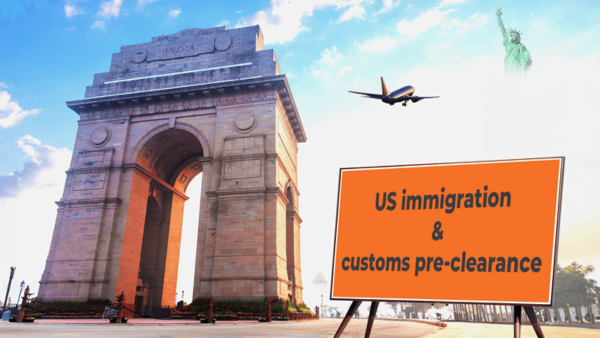
India is Mulling over US Preclearance Facility to Make New Delhi Airport an International Transit Hub
- Mar 20,2024
- Indian eagle
If reports are to be believed, New Delhi International Airport is looking to set up the US pre-clearance facility for outbound travelers to the States. Apparently, both the civil aviation ministry and Air India are supporting what could be a game changer for the airlines operating flights to USA from India and the economics of Indian aviation. If implemented, the US pre-clearance facility at DEL Airport would enable you to fly into America as domestic passengers. It is anticipated that this move by the government would largely benefit Air India and its passengers taking nonstop flights to USA from Delhi. The US pre-clearance facility in India would, no doubt, be a highly competitive advantage for Air India over its rivals and in attracting US-bound traffic from Nepal, Sri Lanka, Thailand and other neighboring countries. Certainly, it would help establish Delhi IGI Airport as an international transit hub for southeast Asian countries that, in turn, would fuel the growth of India’s aviation economy. If the US immigration & customs pre-clearance ever become a reality for India, it would help Air India outshine the Middle East carriers who command a great deal of brand loyalty among US-India travelers. Though Air India is rebuilding itself as a world-class airline through a number of developments, from multibillion-dollar fleet upgrade to premium economy launch to inflight service enhancement, surpassing the dominance of Emirates or Qatar Airways in the US-India travel corridor will take Air India a few years down the line. Only such strategic moves as US CBP pre-clearance can accelerate Air India’s pace in competition with the rivals. Currently, the United States provides CBP pre-clearance service at 15 airports in 6 countries, including Abu Dhabi in the UAE, Dublin and Shannon in Ireland; and Toronto, Ottawa, Halifax, Vancouver, Montreal, Edmonton, Calgary, and Victoria in Canada. Precisely, only Zayed International Airport (Abu Dhabi) has the US pre-clearance facility in the Asian continent. “The likely US pre-clearance facility at the largest Indian airport in Delhi would be a boon for those senior citizens who are not comfortable or fluent in English communication. It would facilitate their arrival in the US as domestic passengers. With preclearance as part of the pre-boarding formalities in India, they would get to exit the entry airport or proceed to connecting flights without undergoing CBP and TSA inspections,” said the chief travel advisor of Indian Eagle, a most trusted air-ticketing partner of Indians in America.
Read more