Phu Quoc Island Emerges as Vietnam’s Ultimate Tropical Escape

Phu Quoc, Vietnam’s largest island, is swiftly rising as one of Southeast Asia’s fastest-growing beach destinations, thanks to its stunning natural beauty, luxury resorts, and rapidly expanding tourism infrastructure. Combining pristine white sand beaches with world-class resorts and large-scale entertainment projects, the island offers a unique blend of relaxation and adventure. With its idyllic coastline, thriving cultural heritage, and strong investment in tourism, Phu Quoc is quickly becoming the ideal getaway for travelers seeking both tropical charm and modern amenities. The island’s growing appeal is a testament to Vietnam’s ambitious tourism vision, positioning Phu Quoc as a major player on the regional and global stage. Phu Quoc, Vietnam’s largest island, is quickly becoming one of Southeast Asia’s most sought-after destinations. Known for its striking natural beauty, white sand beaches, and vibrant local culture, the island is experiencing rapid growth in tourism, setting a new standard for what a beach destination can offer. With luxury resorts, large-scale entertainment projects, and a booming infrastructure, Phu Quoc is attracting travelers from around the world who seek the perfect combination of relaxation, adventure, and culture. The Island’s Rapid Growth and Tourism Potential Phu Quoc Island is not just another tropical destination. It’s a symbol of Vietnam’s tourism ambitions, rapidly gaining recognition as one of the fastest-growing beach destinations in Southeast Asia. The island’s rise is due to a strategic combination of government investment, tourism infrastructure development, and its stunning natural resources. As more international travelers flock to Phu Quoc, the island’s status as a premier destination is cemented. Phu Quoc is now a critical part of Vietnam’s broader tourism strategy, which aims to enhance the country’s international appeal. This vision includes promoting Phu Quoc as a place where natural beauty and modern tourism infrastructure meet seamlessly. As a result, the island has seen a significant increase in tourist arrivals, becoming a hotspot for travelers seeking a mix of tropical beaches, entertainment, and culture.

Read more

India and Other Asian Markets Drive Singapore’s $32.8 Billion Tourism Success

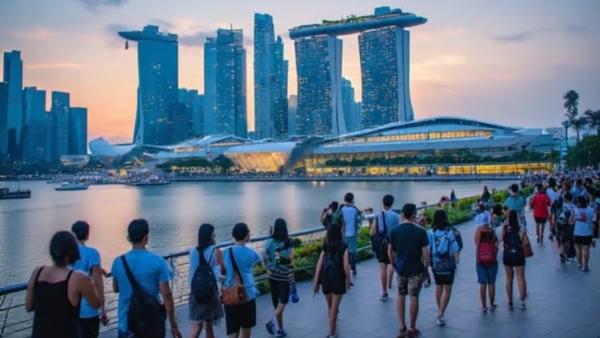
Singapore’s tourism industry reached an all-time high of thirty-two billion eight hundred million dollars, driven by a surge in visitors from India, Mainland China, Japan, Indonesia, Vietnam, the Philippines, Malaysia, and other key markets in 2025 . India, with its expanding middle class and increasing travel opportunities, joined other prominent nations like Mainland China and Japan in significantly contributing to Singapore’s record-breaking tourism receipts. The city-state’s strategic location, world-class attractions, and thriving business environment attracted tourists from across Southeast Asia and beyond, signaling the start of a new global travel era, where Singapore remains a leading destination for both leisure and business tourism. Singapore’s tourism sector has soared to unprecedented heights in 2025, reaching a historic milestone of thirty-two billion eight hundred million dollars in tourism receipts. This remarkable achievement is the culmination of several years of strategic development and sustained growth in both the local and global tourism industries. The year 2025 saw an influx of visitors from numerous countries, including India, Mainland China, Japan, Indonesia, Vietnam, Philippines, and Malaysia, all of which played significant roles in propelling Singapore’s tourism to record-breaking figures. With this achievement, Singapore continues to assert its dominance as a leading global destination for tourism. The diversity of countries contributing to this surge in tourism reflects the city-state’s growing global appeal, and the strategic efforts made by Singapore’s government and tourism agencies to position the country as an attractive hub for leisure, business, and cultural tourism.

Read more

Singapore Airlines Expands UK Network with Daily Manchester and Gatwick Flights

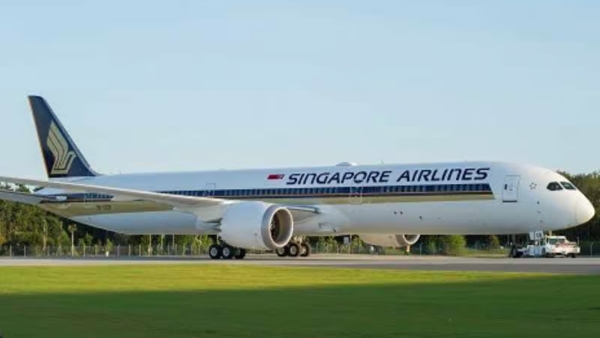
Singapore Airlines is significantly enhancing its UK connectivity by introducing daily flights to both Manchester and London Gatwick starting in 2026, responding to the growing demand for seamless, flexible travel between Singapore and the UK. This strategic move not only improves options for business and leisure travelers but also strengthens the airline’s position as a leading carrier on the highly competitive UK-Asia route. By expanding flight frequencies, Singapore Airlines is ensuring that passengers have more opportunities to travel, making it easier than ever to experience the convenience of direct, high-quality service between these vital global hubs. Singapore Airlines is set to redefine air travel between Singapore and the United Kingdom with a dramatic expansion of its flight services to key UK cities. Starting in 2026, the airline will introduce daily flights to both Manchester and London Gatwick, enhancing the overall travel experience for passengers and increasing connectivity between Singapore and the UK. This unprecedented increase in flight frequency is part of a broader strategy to meet the growing demand for air travel while strengthening Singapore Airlines’ presence in one of its most vital markets. Singapore Airlines has long been a leader in providing seamless travel options for passengers flying between Southeast Asia and Europe. With the travel industry continuing to recover and expand post-pandemic, the airline has made strategic moves to address the increased demand for direct flights. These changes will significantly impact the travel experience for UK-bound passengers, who can now enjoy greater convenience, flexibility, and options when flying to Singapore and beyond.

Read more

Asian Nations Boost Regional Tourism with Visa-Free Access and Strategic Investments in 2026

In 2026, South Korea joins Thailand, China, Vietnam, India, Singapore, Malaysia, and more nations in Asia in accelerating tourism growth by leveraging a combination of rising demand, visa-free access, and strategic investments. These nations are taking bold steps to reshape the tourism landscape by implementing policies that make travel easier, more affordable, and more attractive to international visitors. From enhanced air connectivity and cultural promotions to sustainable practices and new visa initiatives, these countries are not just recovering from past disruptions, but are strategically positioning themselves as the global tourism leaders of the future. Asia in 2026 is not merely reopening its borders after years of pandemic disruption — it is staging a historic tourism resurgence. Countries across the continent are racing ahead to capture global attention, reimagining travel policies, expanding connectivity, and investing in destination development like never before. At the heart of this resurgence are eight powerhouse nations — South Korea, Thailand, China, Vietnam, India, Singapore, Malaysia, and Indonesia — each implementing bold strategies to attract visitors, deepen competitiveness, and fuel economic growth through tourism. Together, they are charting new trajectories for travel in 2026. Together, they are reinventing how the world explores Asia.

Read more

Singapore Airlines Expands Munich Services with New Evening Flights in 2026

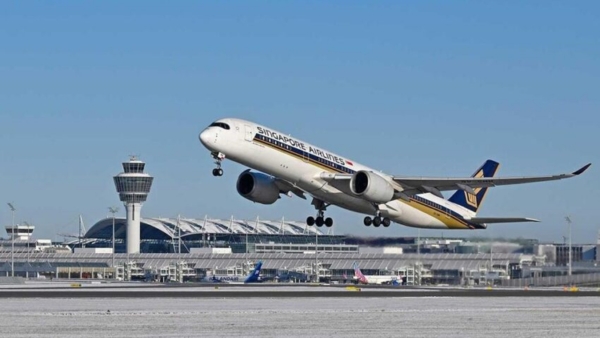
Singapore Airlines is ramping up its presence at Munich Airport with a major expansion set for October 2026. The airline will increase its weekly flights from Munich to Singapore from seven to ten, providing more flexibility and convenience for travelers flying between Europe and Asia. This expansion is part of the airline’s ongoing strategy to enhance its global network and offer travelers even more seamless connections to Asia and beyond. New Evening Flights for Enhanced Travel Flexibility The key addition to the new winter schedule is the introduction of evening flights. Currently, Singapore Airlines operates a daily midday flight from Munich to Singapore. Starting in October 2026, the airline will introduce three new evening departures on Mondays, Wednesdays, and Fridays. These new flights will depart Munich at 8:30 p.m. and land in Singapore the following day at 3:15 p.m., providing passengers with a more flexible travel schedule. These evening flights are designed to provide greater convenience for both business and leisure travelers. For business travelers, this new timing allows for an evening departure from Munich, maximizing their time in the city before heading off to Singapore. Leisure travelers will also benefit from the option to travel overnight, allowing them to arrive in Singapore refreshed and ready to explore or catch a connecting flight to other destinations across Asia and the Pacific.

Read more

Inside Starline: The 22,000km Mega Rail Project Set to Transform European Travel

The landscape of European travel is currently being reimagined through the introduction of a monumental infrastructure proposal. This world-largest metro mega project is designed to address the historical limitations of the continent’s existing transport systems. Known as Starline, the initiative is spearheaded by the think tank 21st Europe, which argues that the current state of international rail is characterized by fragmented, uneven, and often slow connections. It is suggested that for the European continent to maintain its resilience and economic vitality in the twenty-first century, a shift toward a truly integrated high-speed network is no longer a matter of luxury but a strategic necessity. The high-speed rail network envisioned by this proposal seeks to transform the way 22 countries interact by mimicking the efficiency and frequency of a metropolitan subway system. By expanding the European transit infrastructure to include a 22,000-kilometer network, the project aims to facilitate the movement of both people and goods with unprecedented speed. The fundamental goal is to change the perception of Europe from a collection of distant and isolated capitals into a single, cohesive, and fast-moving network. The scale of the Starline project is considerable, with plans to connect 39 major cities across the continent. Destinations ranging from Dublin to Kyiv and from Helsinki to Lisbon are included in the comprehensive map published by the researchers. It is estimated that once fully operational, the system would be approximately thirty percent faster than current road and rail alternatives. This efficiency is expected to be achieved through the deployment of trains capable of reaching speeds between 300 and 400 kilometers per hour.

Read more